


A large-scale study published in BMJ Aerobic exercise, such as walking, cycling, and swimming, has been suggested to be the most effective form of exercise for people with knee osteoarthritis. These activities were found to have the greatest improvement in pain, physical function, walking ability, and overall quality of life.
Researchers note that while other types of exercise can be effective, they should be used in conjunction with aerobic exercise, rather than replacing it as the main approach.
Causes of knee osteoarthritis
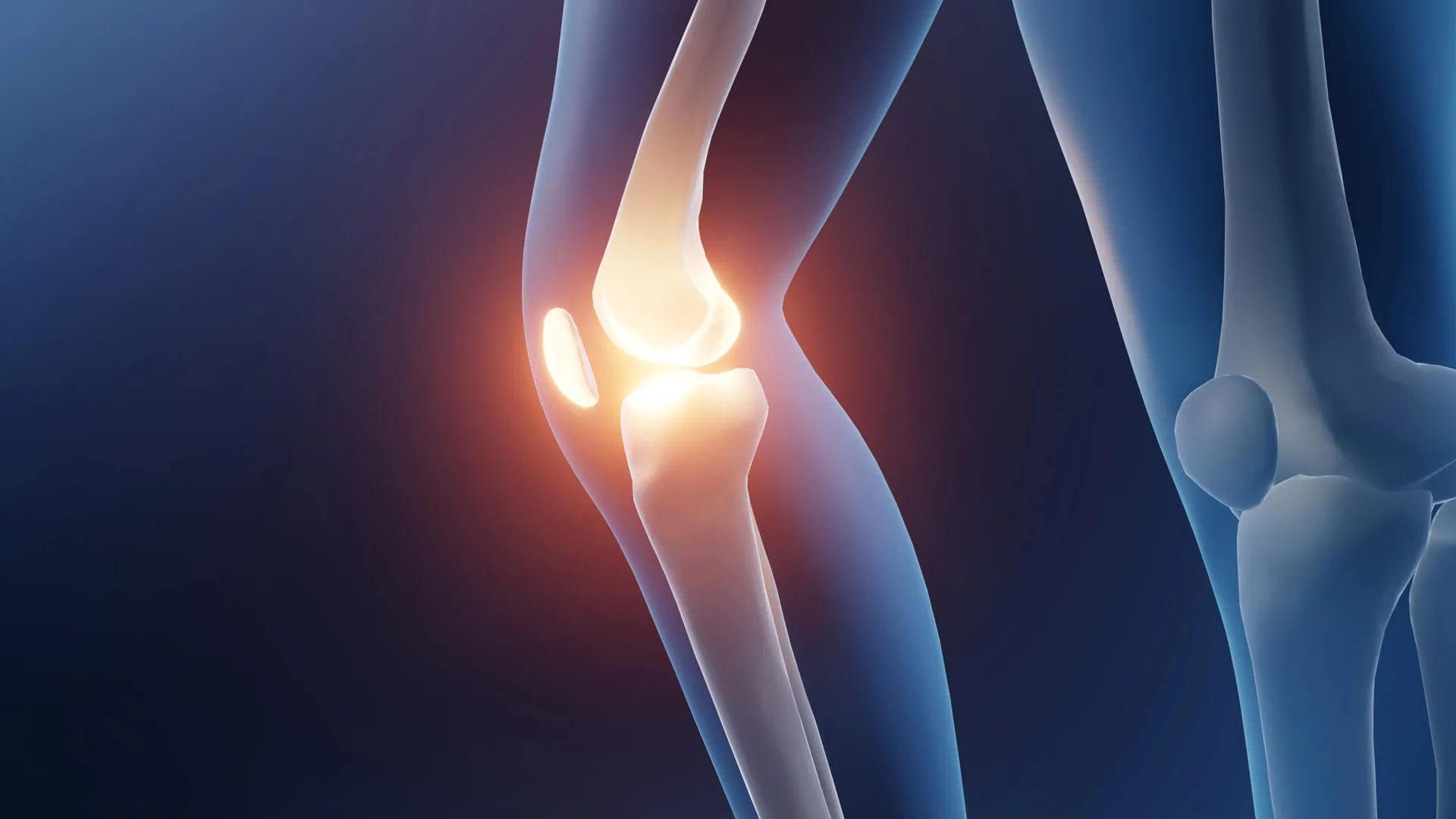
Osteoarthritis occurs when the cartilage that cushions the ends of bones gradually breaks down. This causes pain, swelling, and difficulty moving the joint. Although it can affect many different parts of the body, the knees are particularly vulnerable. Almost 30% of adults over the age of 45 have X-ray evidence of knee osteoarthritis, and about half of them experience severe symptoms.
Although exercise is widely recommended as an important part of treatment, current guidelines often lack clear advice about the specific types that are most effective for knee osteoarthritis.
Large-scale review of 217 clinical trials
To address this gap, researchers conducted a comprehensive analysis of exercise therapy. They reviewed 217 randomized trials conducted between 1990 and 2024 with a total of 15,684 participants. These studies compared several forms of exercise, including aerobic exercise, flexibility, muscle strengthening, mind-body exercise, neuroexercise, and mixed programs, to a control group.
Although the quality of the trials varied, the researchers used the widely recognized GRADE system to assess the reliability of the evidence.
Measuring pain, function, and quality of life
The analysis focused on the key outcomes that mattered most to patients. These include pain level, physical function, walking performance, and quality of life. Results were examined at short-term (4 weeks), medium-term (12 weeks), and long-term (24 weeks) follow-up.
Across these metrics, aerobic exercise consistently ranked as the most effective option among all types of exercise studied.
Aerobic exercise is the most effective
Moderate-certainty evidence showed that aerobic exercise reduces pain in both the short and medium term. Physical function also improved over short, medium, and long-term periods. In addition, walking ability and quality of life improved in the short and medium term.
Other forms of exercise also had meaningful effects. Mind-body approaches are likely to improve short-term function, and neuromotor training may improve short-term gait performance. Strengthening and mixed exercise programs appeared to improve function at medium-term follow-up.
Exercise is safe and widely beneficial
Importantly, no exercise type was associated with a higher risk of adverse events compared to the control group. This supports the idea that exercise is a safe and reliable treatment option for knee osteoarthritis.
The researchers noted several limitations. Many of the comparisons are indirect, some results lack long-term data, and small studies may have influenced the initial results.
Clear guidance for treatment
Despite these limitations, this study provides one of the most thorough and up-to-date evaluations of exercise for knee osteoarthritis. The findings can help guide clinicians in choosing the most effective treatment for their patients.
Based on their findings, the researchers recommend aerobic exercise “as the first choice for the management of knee osteoarthritis, especially when the goal is to improve functional capacity and reduce pain.” They also point out that even if aerobic exercise is not appropriate due to personal limitations, “other forms of structured physical activity may still be beneficial.”
