


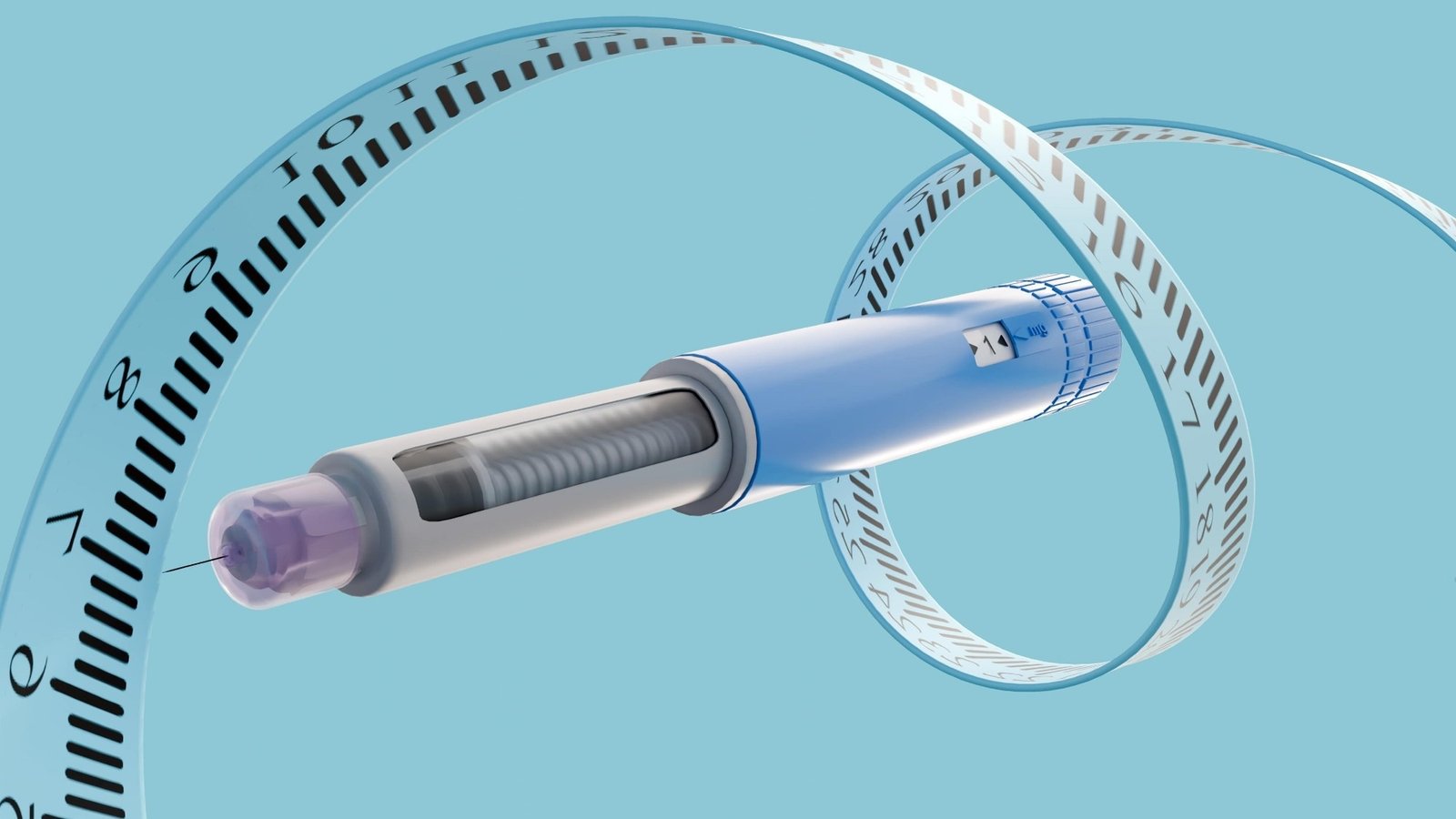
A systematic review and meta-analysis found that GLP-1-based treatments promote clinically meaningful weight loss primarily through fat loss, but experts caution that muscle maintenance remains essential for long-term metabolic health.
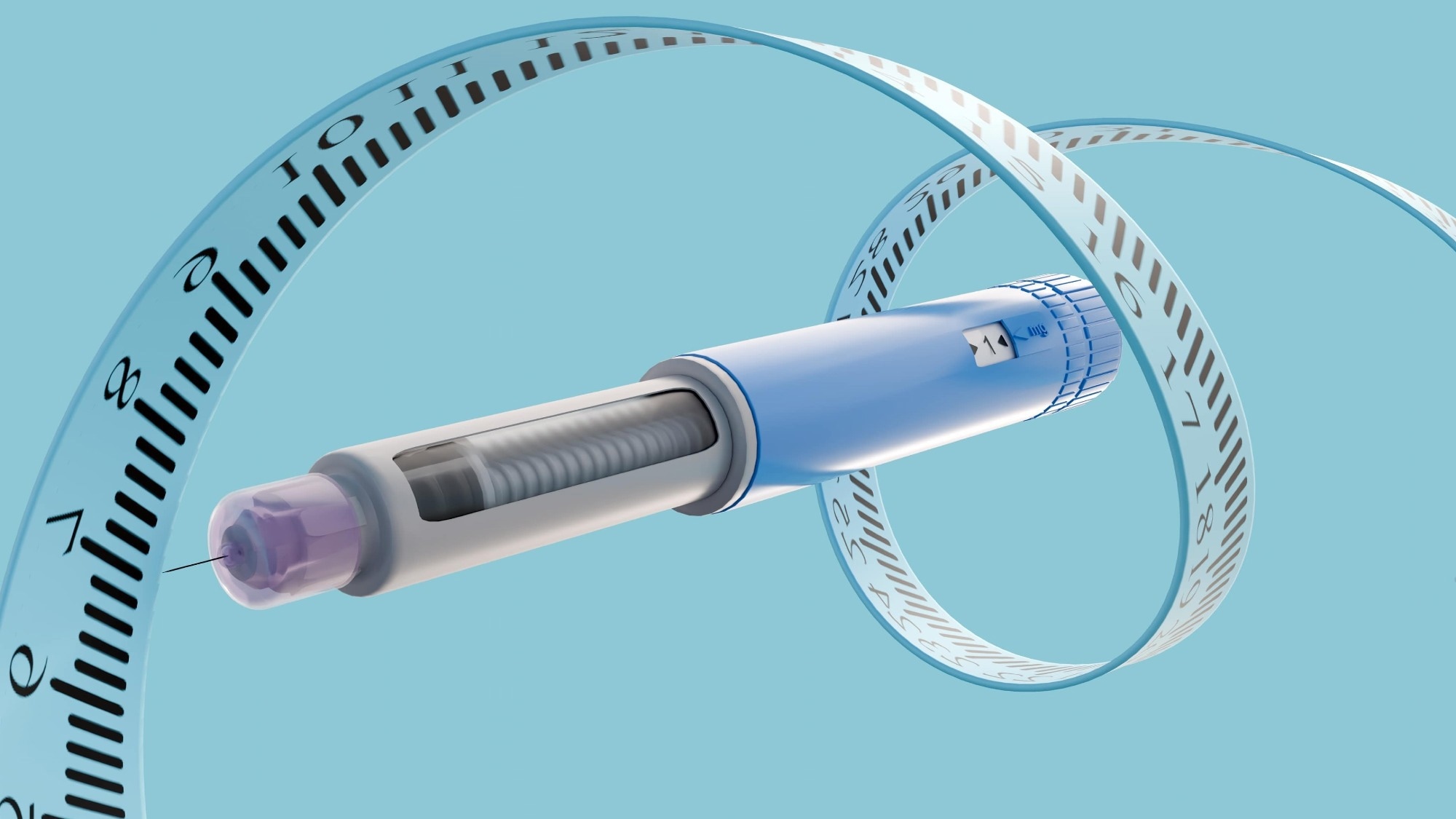
Review: GLP-1 agonists and changes in body weight and composition in overweight or obese adults with and without type 2 diabetes: a systematic review and meta-analysis. Image credit: Love Employee / Shutterstock
In a recent study published in International Journal of ObesityResearchers evaluated the effects of a glucagon-like peptide 1 (GLP-1) receptor agonist (RA) and a dual GLP-1/glucose-dependent insulinotropic polypeptide (GIP) agonist on weight and body composition in overweight or obese adults.
Background of GLP-1 therapy and obesity treatment
The prevalence of obesity has increased significantly around the world over the past few decades. Obesity is associated with several cardiometabolic complications, reducing not only longevity but also quality of life. Therefore, effective management of obesity requires an individualized, multidisciplinary approach that combines behavioral and dietary interventions, pharmacotherapy, physical activity, and surgery.
GLP-1RA and related incretin-based treatments contribute to sustained weight loss in obese individuals, with associated improvement in comorbidities. GLP-1RA also exhibits cardioprotective properties. Although these drugs primarily reduce fat body mass (FBM), loss of lean body mass (LBM) may also occur, raising concerns about muscle loss in susceptible populations, such as the frail and elderly.
GLP-1 body composition meta-analysis method
In this study, researchers evaluated the effectiveness of GLP-1RA and GLP-1/GIP dual agonists in regulating body composition and promoting weight loss in overweight or obese adults with and without type 2 diabetes (T2D). First, we comprehensively searched the Web of Science, PubMed, and Scopus databases for clinical studies evaluating the effects of GLP-1-based treatments on anthropometric indices and body composition in specific populations. After deduplication, the abstract/title and full text were assessed for inclusion.
A study quality assessment tool was used to assess methodological quality. A meta-analysis was performed on eligible studies presenting numerical data on changes in specific body composition and anthropometric parameters with GLP-1-based treatments. Data were pooled using a random effects model, and subgroup analyzes were performed by drug type and treatment duration. Publication bias was assessed using the Egger test.
A total of 36 studies were included in the qualitative analysis and 24 studies were included in the meta-analysis. Most studies were conducted in Europe and Asia, and most results were reported after 6 months of treatment. Twenty-four studies included patients with T2D. Liraglutide and semaglutide were the most frequently investigated GLP-1RAs. The included studies differed in design, population, dosing regimen, treatment duration, and body composition methods. Bioelectrical impedance analysis and dual-energy X-ray absorptiometry were the most common methods to assess body composition.
Weight loss and lean body mass findings
Significant improvements in body composition and anthropometric parameters were observed after GLP-1-based treatment. At 3 months, a significant decrease in body weight of 9% was observed, particularly in those taking vainaglutide, with significant reductions in visceral adipose tissue (VAT) area (-29.25 cm2) and FBM (-17%). A small but significant LBM loss (-2%) also occurred. Body mass index (BMI) and waist circumference (WC) also decreased by 2.96 kg/m² and 9.6 cm, respectively.
At 6 months, body weight significantly decreased by 5%, and FBM and LBM showed significant decreases of 6% and 1%, respectively. BMI decreased by 2.40 kg/m², while WC showed a slight decrease (-2.3 cm). Additionally, a significant 3% decrease in skeletal muscle mass was observed. The VAT area also decreased significantly (-32.31 cm²).
At 12 months, body weight decreased by 4%, WC decreased by 3.2 cm, and BMI decreased by 1.74 kg/m2. The largest decrease was reported in the liraglutide study, but the authors noted significant variation between studies and cautioned against overinterpreting drug-specific differences. Additionally, FBM and LBM significantly decreased by 4%. Egger’s test revealed significant publication bias for some outcomes at 3 months, but no evidence of bias for most outcomes at other time points.
Clinical implications for fat loss and muscle maintenance
Taken together, these findings demonstrate substantial efficacy of GLP-1-based treatments on anthropometric indicators associated with obesity. Body weight, BMI, and WC showed significant reductions at 3, 6, and 12 months of treatment. The most substantial and rapid changes occurred during the first 3 months with vainaglutide, particularly in terms of BMI and weight loss. Specifically, body weight decreased by 9% after 3 months, 5% after 6 months, and 4% after 12 months.
GLP-1-based treatment led to favorable changes in body composition, with significant reductions in VAT and FBM, especially during the first 6 months. Although the decrease in LBM was evident, it was relatively minor compared to the decrease in body weight.
The authors characterized this pattern as “high-quality” weight loss, primarily driven by a reduction in fat mass while maintaining relative lean tissue. Of note, no single GLP-1RA was superior to other GLP-1RAs in maintaining lean body mass.
Future research should explore more effective combinations of lifestyle interventions and pharmacotherapy for people at high risk of sarcopenia, with an emphasis on maintaining metabolic health and maintaining lean body mass, particularly through nutritional support and strength training.
Reference magazines:
- Sawicka-Gutaj N, Gruszczyński D, Nijakowski K, et al. (2026). GLP-1 agonists and changes in body weight and composition in overweight or obese adults with and without type 2 diabetes: A systematic review and meta-analysis. International Journal of Obesity. Doi: 10.1038/s41366-026-02088-1, https://www.nature.com/articles/s41366-026-02088-1
