

Close Menu

    Subscribe to Updates

    Get the latest creative news from FooBar about art, design and business.

    What's Hot

    Healthcare Delivery Challenges and the Promise of Digital Health Innovations

    August 17, 2026

    Why 2025 Dietary Guidelines Miss the Mark on Metabolic Health

    August 16, 2026

    The Telemedicine Challenge: Why Founders and Engineers Need 2026 Strategies Now

    August 15, 2026
    Facebook X (Twitter) Instagram
    Facebook X (Twitter) Instagram
    Health Magazine
    • Home
    • Environmental Health
    • Health Technology
    • Medical Research
    • Mental Health
    • Nutrition Science
    • Pharma
    • Public Health
    • Discover
      • Daily Health Tips
      • Financial Health & Stability
      • Holistic Health & Wellness
      • Mental Health
      • Nutrition & Dietary Trends
      • Professional & Personal Growth
    • Our Mission
    Health Magazine
    Home » News » Addiction harm reduction strategies are ‘incompatible with federal law’
    Public Health

    Addiction harm reduction strategies are ‘incompatible with federal law’

    healthadminBy healthadminApril 27, 2026No Comments4 Mins Read
    Addiction harm reduction strategies are ‘incompatible with federal law’
    Share
    Facebook Twitter Reddit Telegram Pinterest Email


    The Trump administration has increasingly opposed harm reduction services for illegal drug users.

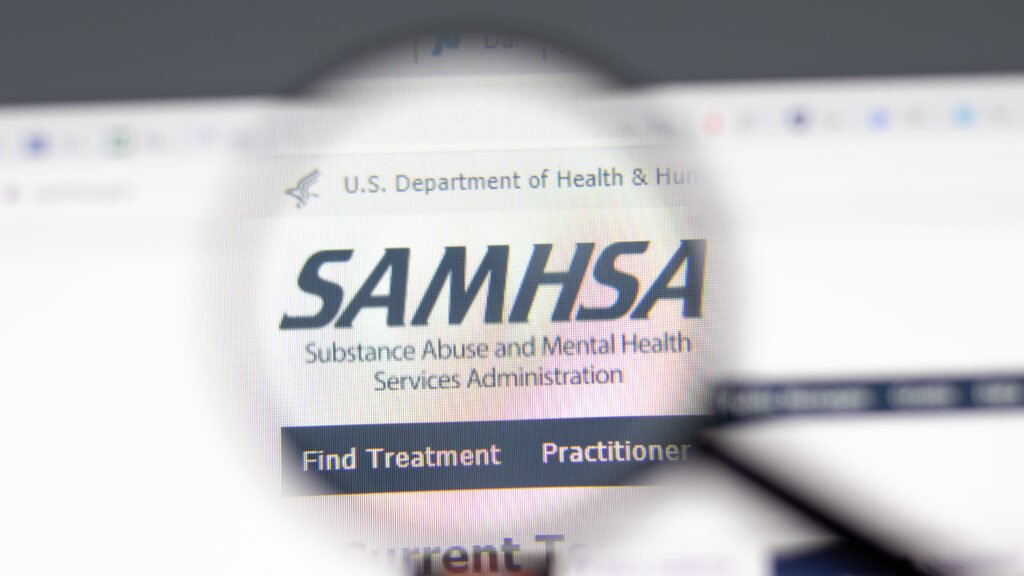
    In an April 24 open letter, the federal agency that oversees addiction and mental health policy warned grant recipients not to use federal funds to purchase harm reduction supplies such as sterile syringes and pipes or to distribute test strips for common drug supply contaminants such as fentanyl, xylazine and medetomidine.

    In a second letter dated the same day, the Substance Abuse and Mental Health Services Administration also warned against the use of certain addiction medications without support services. The report writes that medications such as methadone and buprenorphine, which have been shown to significantly reduce deaths from opioid overdose, should be used “as part of a path to long-term recovery,” but “not as a default sentence to lifelong drug use.”

    The double letter, signed by SAMHSA Acting Leader Chris Carroll, follows more than a year of confusion and turmoil within SAMHSA. More than 15 months after taking office, the Trump administration has yet to appoint a board member. The number of employees at the agency was about 900 at the start of the Trump administration, but that number is now less than half that number. Even before it abruptly ended thousands of grants in January and then reinstated them, SAMHSA had canceled about $1.7 billion in block grants and cut funding for addiction and overdose prevention by an additional $350 million.

    In SAMHSA’s own words, the harm reduction letter emphasized that the Trump administration has “clearly distanced itself from harm reduction and practices that promote illegal drug use and are inconsistent with federal law.”


    STAT Plus: President Trump’s increased use of hallucinogens and marijuana heralds a new era in Republican drug policy

    The letter also made it clear that it is against administrative policy to publicly distribute test strips used to detect fentanyl, xylazine, and medetomidine. But he stressed that federal funds will continue to be available for test strips used by public health officials, law enforcement, health care workers and others who use test strips in professional settings.

    Also prohibited: Funding for an “overdose hotline” that would allow drug users to communicate remotely with staff who could call 911 if they stopped responding. Sterile water or saline solution distributed to allow users to hygienically inject medications. and other forms of paraphernalia that, in the government’s view, “facilitate or facilitate drug use.” The letter encourages federal funds to be used for naloxone, a drug that reverses overdoses. Sharps disposal kit. Tests for infectious diseases such as hepatitis and HIV and vaccinations will also be performed.

    This test strip policy marks a major shift from the Biden administration, which has enthusiastically promoted test strip distribution. “This will save lives by providing a tool to identify the growing presence of fentanyl in the nation’s illicit drug supply,” Tom Coderre, then interim SAMHSA leader, said in a statement in April 2021 announcing that federal funds could be used to purchase the test strips.

    The agency’s second new letter warns officials against using drugs used to treat opioid addiction without accompanying services such as psychosocial counseling or other “recovery support services.”

    While the letter does not question the effectiveness of methadone or buprenorphine, it appears to repeat the metaphor that drug use does not lead to “true recovery.” Although many addiction clinicians may prefer to provide counseling alongside medication, current standards of care do not support withholding medication from patients who refuse other services.

    Why changes in fentanyl use contributed to a decline in overdose deaths

    The letter was released as thousands of addiction providers and researchers gathered in San Diego for the American Society of Addiction Medicine’s annual conference. At one point, the letter cited ASAM’s practice guidelines on medication use for opioid use disorder. However, the cited document appears to contradict the letter, stating that “a patient’s decision to refuse psychosocial treatment, or the absence of psychosocial treatment available, should not prevent or delay drug treatment with appropriate medication management.”

    The letter also encourages clinicians to discuss with patients “at least once a year” whether they wish to continue taking the medication. Although there is little conclusive, specific data on the relationship between mortality and long-term drug treatment, studies have shown that longer treatment periods generally result in better outcomes.

    “ASAM continues to carefully review the new Dear Colleague letter from SAMHSA and stands ready to work with our federal partners to ensure national policy reflects evidence-based practices in addiction medicine,” said addiction physician Steven Taylor, who currently serves as ASAM president, in a statement. “This includes maintaining access (to medications to treat opioid use disorder) when clinically appropriate.”

    STAT’s chronic health coverage is supported by a grant from. bloomberg philanthropy. our financial supporter It has no role in any of our journalism decisions.


    Source link

    Visited 8 times, 1 visit(s) today
    Share. Facebook Twitter Pinterest LinkedIn Telegram Reddit Email
    Previous ArticleAutism genetics are associated with decreased brain cell fiber density
    Next Article Getting older and wiser: How older animals help species survive
    healthadmin

    Related Posts

    The Urgent Gaps in Population Health: What Leaders Must Fix Now

    August 13, 2026

    Senate committee backs CDC director and pandemic response nominee

    July 30, 2026

    Federal judge refuses to suspend Medicaid work requirement for now

    July 30, 2026

    FTC, His and Hers, Ebola Vaccine: Morning Round

    July 30, 2026

    Healthy until you’re sick: Medicaid work rules threaten patient care

    July 30, 2026

    Addressing Rising Health Threats: What Epidemiologists and Officials Must Know Now

    July 29, 2026
    Add A Comment

    Comments are closed.

    Categories

    • Daily Health Tips
    • Discover
    • Environmental Health
    • Exercise & Fitness
    • Featured
    • Featured Videos
    • Financial Health & Stability
    • Fitness
    • Fitness Updates
    • Health
    • Health Technology
    • Healthy Aging
    • Healthy Living
    • Holistic Healing
    • Holistic Health & Wellness
    • Medical Research
    • Medical Research & Insights
    • Mental Health
    • Mental Wellness
    • Natural Remedies
    • New Workouts
    • Nutrition
    • Nutrition & Dietary Trends
    • Nutrition & Superfoods
    • Nutrition Science
    • Pharma
    • Preventive Healthcare
    • Professional & Personal Growth
    • Public Health
    • Public Health & Awareness
    • Selected
    • Sleep & Recovery
    • Top Programs
    • Weight Management
    • Workouts
    Popular Posts
    • 1773313737_bacteria_-_Sebastian_Kaulitzki_46826fb7971649bfaca04a9b4cef3309-620x480.jpgHow Sino Biological ProPure™ redefines ultra-low… March 12, 2026
    • pexels-david-bartus-442116The food industry needs to act now to cut greenhouse… January 2, 2022
    • 1773729862_TagImage-3347-458389964760995353448-620x480.jpgDespite safety concerns, parents underestimate the… March 17, 2026
    • 1774403998_image_28620e4b6b0047f7ab9154b41d739db1-620x480.jpgGait pattern helps distinguish between Lewy body… March 24, 2026
    • 1773209206_futuristic_techno_design_on_background_of_supercomputer_data_center_-_Image_-_Timofeev_Vladimir_M1_4.jpegMulti-agent AI systems outperform single models… March 11, 2026
    • Leukemia-620x480.jpgBiomimetic platform powers CAR T therapy for… March 9, 2026

    Demo
    Stay In Touch
    • Facebook
    • Twitter
    • Pinterest
    • Instagram
    • YouTube
    • Vimeo
    Don't Miss

    Healthcare Delivery Challenges and the Promise of Digital Health Innovations

    By healthadminAugust 17, 2026

    Explore how telemedicine, wearables, and AI diagnostics are transforming healthcare delivery amid challenges like fragmented care and data silos.

    Why 2025 Dietary Guidelines Miss the Mark on Metabolic Health

    August 16, 2026

    The Telemedicine Challenge: Why Founders and Engineers Need 2026 Strategies Now

    August 15, 2026

    Overcoming Information Overload in 2026 Medical Research

    August 14, 2026

    Subscribe to Updates

    Get the latest creative news from SmartMag about art & design.

    HealthxMagazine
    HealthxMagazine

    At HealthX Magazine, we are dedicated to empowering entrepreneurs, doctors, chiropractors, healthcare professionals, personal trainers, executives, thought leaders, and anyone striving for optimal health.

    Our Picks

    Overcoming Information Overload in 2026 Medical Research

    August 14, 2026

    The Urgent Gaps in Population Health: What Leaders Must Fix Now

    August 13, 2026

    The Growing Challenge of Treatment-Resistant Depression for Clinicians and Policymakers

    August 12, 2026
    New Comments
      Facebook X (Twitter) Instagram Pinterest
      • Home
      • Privacy Policy
      • Our Mission
      © 2026 ThemeSphere. Designed by ThemeSphere.

      Type above and press Enter to search. Press Esc to cancel.