


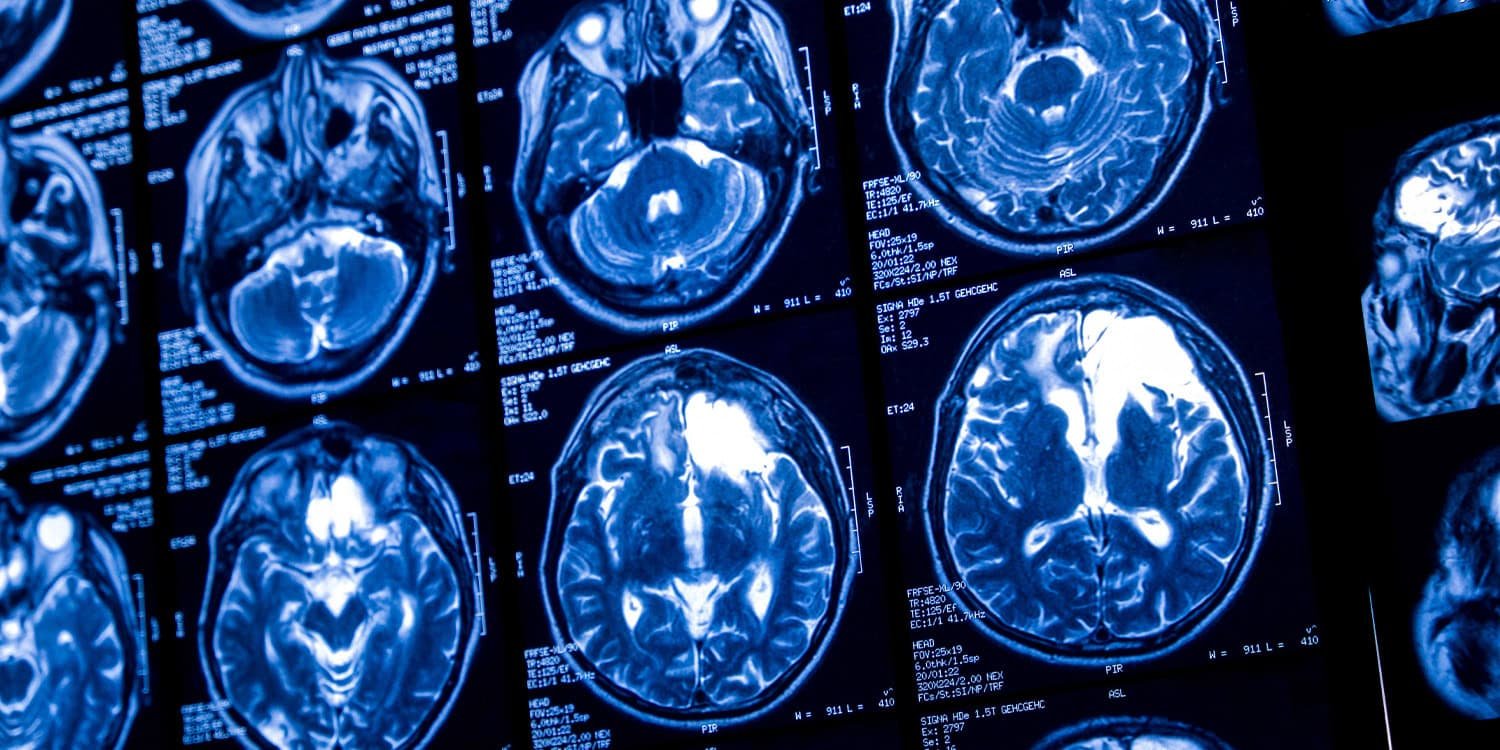
Recent research published in journals alcohol provides evidence that even low levels of alcohol consumption can negatively impact a person’s lifelong brain health. The findings suggest that the total amount of alcohol consumed over a lifetime, especially as we age, tends to be associated with reduced blood flow and thinning of tissue in certain areas of the brain. These structural and functional brain differences indicate that the concept of low-risk drinking guidelines may need to be reevaluated.
For many years, public health guidelines have suggested that the health risks of consuming small amounts of alcohol are minimal. Now, more recent large-scale studies have shown evidence that the risk of various diseases begins to increase regardless of the amount of alcohol consumed.
“According to the World Health Organization, there is growing evidence that all alcohol consumption, even what is currently considered ‘light drinking’, increases the risk of at least six types of cancer,” said study author Timothy C. Durazzo, professor of medicine at Stanford University and clinical neuropsychologist at the VA Palo Alto Healthcare System.
“However, there is little research dedicated to studying the effects of low-level alcohol consumption on the human brain,” Durazzo explained. “We thought it was important to investigate the potential association between low levels of alcohol consumption and measures of regional brain structure and blood flow (perfusion) in adults.”
To investigate these relationships, researchers recruited healthy adults between the ages of 22 and 70. “Study participants were healthy, non-smoking adults with no significant medical or psychological conditions, and had consumed less than 60 standard drink equivalents per month during the previous year of the study,” Durazzo noted. In the United States, a standard drink is defined as containing 14 grams of pure alcohol, which is roughly equivalent to a typical beer or glass of wine.
Researchers analyzed a total of 45 participants to measure brain volume and thickness. A smaller group of 27 participants from this same group underwent a special scan to measure cerebral perfusion, the active delivery of blood to brain tissue.
Scientists used a detailed questionnaire to calculate each person’s average amount of alcohol consumed per month over the past year, the past three years, and throughout their lifetime. Participants then underwent a magnetic resonance imaging scan.
These brain scans allowed scientists to measure the physical volume and thickness of the cerebral cortex, the outer layer of the brain involved in high-level thinking and processing. For the perfusion group, the scans also tracked the amount of blood actively flowing through different areas of the brain.
“The main findings were that higher amounts of beverages consumed throughout life and older age were associated with decreased blood flow across the cortex (the outermost folded layer of gray matter) and decreased overall cortical thickness,” Durazzo explained. Higher lifetime average alcohol consumption was associated with decreased blood flow in 68% of the brain regions measured. These regions were spread across multiple lobes of the brain.
Scientists have found that a mathematical combination of increasing age and total lifetime drinking is strongly associated with decreased blood flow. This interaction was found in nearly half of the brain regions measured, particularly in the frontal, parietal, and occipital lobes. “We did not expect the strength of the association between increased lifetime alcohol consumption and increasing age due to decreased cortical blood flow to be as high as we observed,” Durazzo said.
A similar pattern was observed in the physical structure of the brain. Researchers found that the greater the amount of alcohol consumed over a lifetime, the thinner the cerebral cortex was in several brain regions. When looking at the combination of age and lifetime alcohol consumption, the scientists observed thinning of the cortex, primarily in the frontal and parietal lobes.
The frontal and parietal lobes are responsible for executive function and sensory processing. Executive functions include mental skills such as planning, focusing attention, and regulating emotions. Researchers suggest that these specific brain regions may be particularly vulnerable to cellular wear and tear caused by long-term alcohol consumption.
Cortical thickness is thought to reflect the density of brain cells, meaning that a thinner cortex may show more subtle changes in cells. Researchers suggest that oxidative stress may be involved in these changes. Oxidative stress is an imbalance in the body in which unstable molecules cause damage to cells and tissues.
Alcohol intake increases oxidative stress, and aging also tends to increase this cellular burden. This combined increase in cellular stress may explain why the interaction between age and lifetime drinking is associated with loss of brain tissue and reduced blood flow. Although this study provides new insights into low-level drinking, it also has some limitations.
“Particularly, the number of participants for blood flow measurements was very small (number of participants = 27 for blood flow measurements and 45 for brain structure measurements),” Durazzo noted. Because of the small number of female participants, the researchers were unable to look for differences based on biological sex. Additionally, the scientists did not measure the actual speed of blood flowing through the arteries.
Unmeasured lifestyle factors, such as diet and exercise habits, may also influence brain health and may explain some of the differences seen between participants. “We must emphasize that the results of our study should be considered preliminary until they are replicated in studies with larger numbers of participants,” Durazzo said.
Future research should replicate these findings in larger and more diverse groups of people. The researchers also want to examine how the combination of age and lifetime alcohol consumption affects daily life. “It is unclear how our findings regarding cortical blood flow and thickness relate to important functions such as balance and coordination,” Durazzo noted.
“The next step is to investigate the association between low levels of drinking and measures of balance, coordination and dexterity,” Durazzo said. Understanding these functional consequences will help clarify the real-world impact of low-risk drinking guidelines.
The study, “An interaction between age and lifetime alcohol consumption is associated with regional cortical perfusion and thickness in healthy adults with low alcohol consumption,” was authored by Timothy C. Durazzo, Brian DP Joseff, M. Windy McNerney, Keith Humphreys, and Dieter J. Meyerhoff.
