


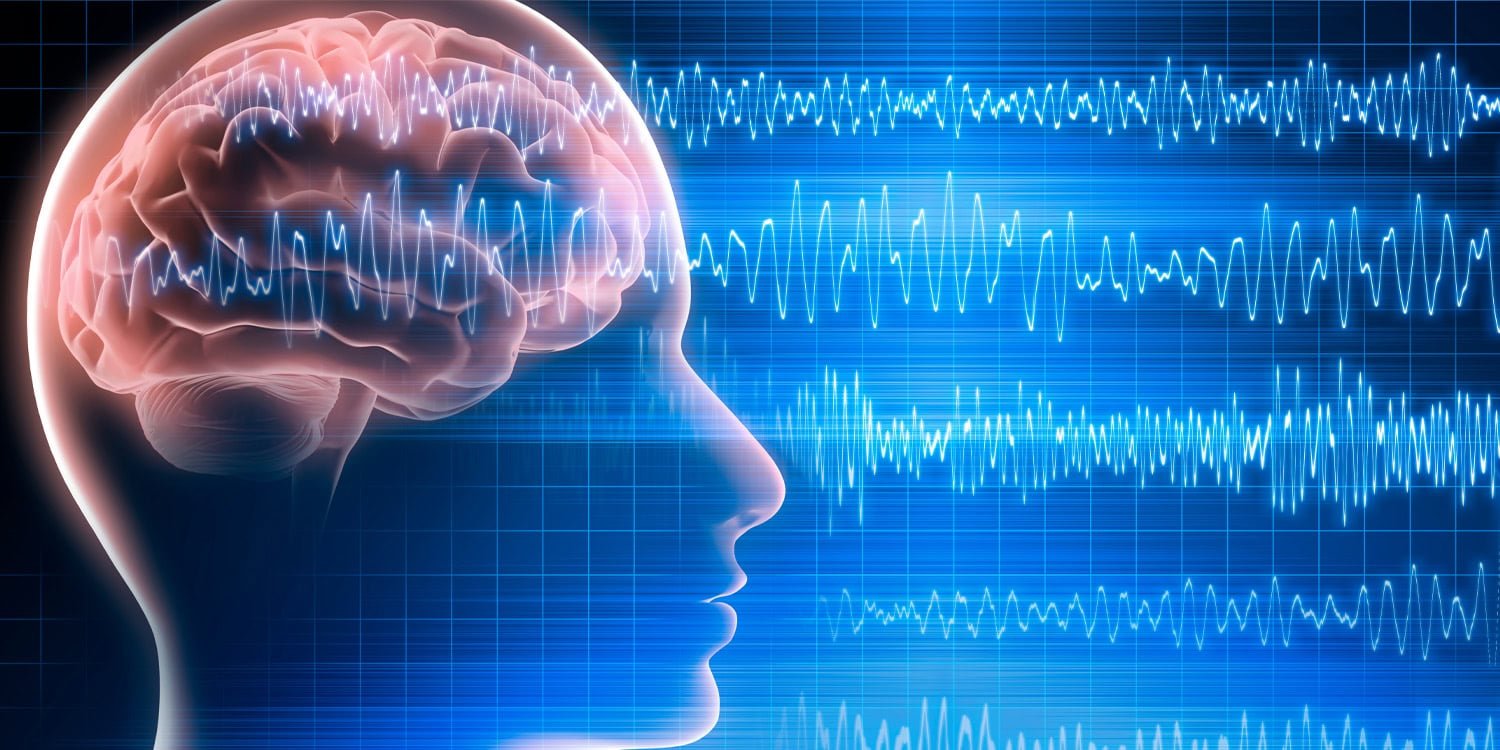
A person’s natural brain wave patterns may provide a reliable preview of how violently they will react to a dose of psilocybin. Not only does resting brain electrical activity change dramatically during a psychedelic experience, but specific patterns that exist before drug ingestion actively predict subsequent psychological effects. The study was published in Progress in Neuropsychopharmacology & Biological Psychiatry.
Psilocybin, the active ingredient in magic mushrooms, is currently presumed to be a therapeutic agent and is being intensely researched. Clinical trials are testing its effectiveness against depression, addictive disorders, and post-traumatic stress disorder. Australia recently approved a drug to treat treatment-resistant depression in certain clinical settings.
Despite this clinical momentum, it remains unclear exactly how this compound alters human brain function. A major challenge in modern psychiatry is understanding why people react so differently to psychedelics. Finding reliable ways to predict these diverse patient responses could help doctors identify which individuals are most likely to benefit from treatment.
To investigate this, a research team led by University of Macau scientist Cheng-Teng Ip focused on analyzing the brain’s electrical signals. They wanted to see if specific electrical changes corresponded to the intense perceptual changes people experience when under the influence. By mapping these internal signals, the research team hoped to find measurable biological markers associated with the emotional and psychological consequences of drugs.
The researchers used electroencephalography (EEG), which places small sensors on the scalp to detect electrical activity. Brain waves are classified by frequency, which is measured in hertz. Low frequencies like delta and theta waves occur during deep relaxation and sleep.
When a person is quietly resting with their eyes closed, slightly faster alpha waves typically dominate. Fast brain waves, including beta and gamma waves, generally dominate the brain during periods of high alertness, cognitive effort, and concentration. By separating these different bands, scientists can observe different modes of neural behavior.
Researchers are particularly interested in a brain system called the default mode network. This network is made up of several interacting brain regions and is highly active when a person is resting or daydreaming, but relatively quiet when doing a focused task. Previous imaging studies have pointed to this very network as a primary target for psychedelic compounds.
The study involved 25 healthy adult volunteers, 18 men and seven women, with an average age of 24 years. The researchers used a double-blind, placebo-controlled, crossover design. This means each participant takes part in two separate sessions and receives either precisely measured capsules of psilocybin or a placebo on different days.
Neither the participants nor the staff distributing the capsules knew which capsules would be administered at a particular time. During each session, the researchers recorded participants’ resting brain activity for 10 minutes before administering the capsules. An additional 10-minute recording was then performed 60 minutes after the subjects ingested the capsule.
This post-dose recording was calibrated to accurately capture the state of the brain at the peak of physiological effects. Participants closed their eyes for 5 minutes of recording and kept their eyes open for the remaining 5 minutes, while researchers focused on analyzing the closed-eye data. Once the recordings were complete, specialized software converted the surface electrical signals into a three-dimensional map of the brain’s gray matter.
After the effects of the drug subsided, participants completed a large survey known as the Altered States of Consciousness Questionnaire. The survey asks individuals to rate their emotions along five key dimensions. The first dimension tracks feelings of deep oneness, spiritual connection, and bliss.
Another dimension assesses less pleasant sensations, such as the frightening feeling of losing one’s identity or suffering from acute anxiety. The remaining dimensions measure visual distortions, auditory changes, and the extent to which a person feels that their overall vigilance and attention is artificially reduced.
When analyzing the EEG data, Yip and his colleagues found strong electrical differences between active and placebo sessions. Under the influence of psychedelics, participants experienced a significant reduction in the power of slow-frequency brain waves. At the same time, its fast-frequency beta and gamma wave output increased broadly throughout the cerebral cortex.
This change differs from the typical electrical progression of the brain at rest. Normally, when a person sits with their eyes closed, the brain produces rhythmic, slow alpha waves. Psychedelic compounds appear to have interfered with this natural progression toward physiological relaxation. Instead, the brain generated fast waves normally associated with processing new information, even if the participants were just resting in a quiet room.
Researchers suggest that these fast gamma waves may be part of an active brain mechanism that causes hallucinations and profound changes in self-perception. When the researchers compared the brainwave changes to the survey results, they found a wide range of positive correlations. The stronger the increase in fast EEG activity across temporal and limbic regions of the brain, the more strongly the volunteers rated their subjective experience.
A sense of cosmic unity and positive mood are closely mapped to increased high-frequency activity in parts of the brain associated with memory and emotion. In contrast, anxiety, or the fear of losing one’s identity, was associated with increased activity in visual processing centers in the back of the brain.
The researchers also looked at how brain regions communicate with each other. They observed that connectivity within the default mode network increased during psychedelic states. The connections between different nodes of this network were particularly strong in the high frequency range, indicating that the drug tightly synchronizes these different brain regions.
Perhaps the most anticipated finding concerned a baseline brain scan taken before someone swallowed the pill. Researchers found that higher levels of fast brain wave activity in the frontal cortex before taking the drug predicted subsequent intense psychological experiences. The frontal cortex handles complex cognitive processing, abstract thinking, and future planning.
Furthermore, lower baseline activity in specific memory-related regions predicted stronger subsequent sense of ego dissolution and vivid visual changes. Researchers propose that a person’s baseline state of cognitive and emotional readiness fundamentally shapes the depth of their psychological response to a compound.
Several technical limitations apply to this study. The study followed a relatively small group of 25 people. A small sample size limits the statistical power of the analysis and limits the extent to which the results can be disseminated to the broader public. Replicating the experiment with a larger group will help verify the consistency of these detected patterns.
Additionally, only healthy volunteers without mental illness were enrolled in the experiment. The brain wave dynamics of a healthy person may be different from those of someone who has experienced severe depression or trauma. Researchers do not yet know whether the EEG predictions seen here work in exactly the same way in clinical populations.
Future studies should test whether these specific resting EEG patterns can predict patient response to guided therapy. Doctors could then scan patients before starting treatment to see if they have the optimal brainwave profile for successful psychiatric outcomes. This can help medical professionals allocate resource-intensive psychedelic treatments to patients who are most likely to experience true therapeutic benefits.
The study, “Psilocybin-induced changes in EEG power, connectivity, and network dynamics in healthy subjects: Correlation with subjective experience and implications for therapeutic applications,” was authored by Cheng-Teng Ip, Sebastian Olbrich, Mateo de Bardec, Anna Monn, Andres Ort, John W. Smallridge, and Franz Vollenweider.
