


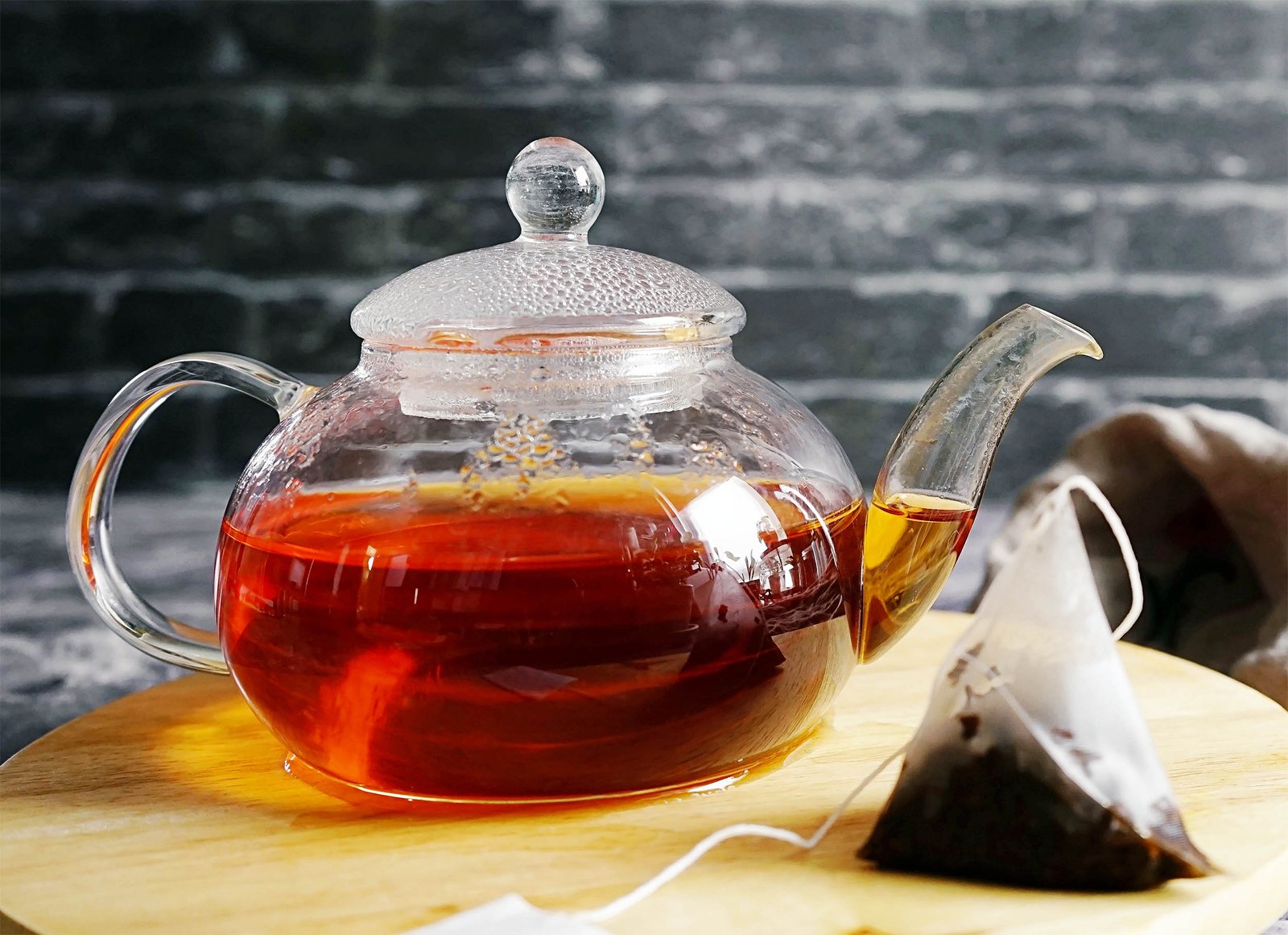
Tea is one of the most popular drinks on earth. Billions of people brew this beer every day without really thinking about what goes into their mug.
When making tea, most of us focus on steeping time, water temperature, or whether we prefer green to black.

But a recent review of 19 scientific studies raised a question that most tea drinkers have never thought about: Are tiny plastic particles getting into the cup?
The answer was not a simple yes or no. Rather, this study suggests that plastic particles can get into tea in several different ways, and that tea bags may play a bigger role than many people realize.
Microparticles scientists are tracking
In this review, we focused on microplastics and nanoplastics grouped as MNPs. Microplastics range from about 1 micrometer to 5 millimeters, while nanoplastics are smaller than 1 micrometer.
A human hair is tens of micrometers wide, so many of these particles are much smaller than the eye can see. This scale is one reason why problems quickly become complex.
Small particles don’t just come from one source. They can come from packaging, processing, brewing materials, and even the air surrounding the sample being tested.
Plastic gets to your tea in different ways
Cold bottled tea, bubble tea, and hot brewed tea each pick up plastic in their own way.
Bottled tea can pick up particles not only from the bottle and cap, but also from the water used during production.
Bubble tea has even more touch points, including the cup, lid, straw, mixing water, and other ingredients.
The researchers behind this review did not conduct any new experiments. Instead, they searched major scientific databases, reviewed hundreds of papers, and narrowed the field to 19 available studies that measured these particles in tea drinks, tea bags, or tea packaging.
Why tea bags stand out
A review examining how plastic is released from tea packaging into hot drinks found that the most obvious source in hot tea was tea bags.
The result surprises many, because the bag seems to be made of paper. Appearances can be misleading.
Some “pyramid” sachets use plastic mesh, while others have a blend of plant fibers and plastic. Certain cellulose bags also contain polypropylene as a heat-seal layer that keeps the seams closed in hot water.
Even if a bag is marketed as “compostable” or “biodegradable,” it doesn’t necessarily mean it’s plastic-free. In some tests, researchers dissolved the cellulose parts but still found plastic left in certain products.
the number is huge
In one experiment, researchers reported that approximately 14.7 billion small particles were released from one plastic tea bag under the extraction and measurement conditions used in the study.
Another study reported about 1.3 billion particles per bag.
The researchers also detected large amounts of emissions released from bags made from the bioplastic PLA. The values were often lower than those measured from the plastic mesh bags, but they were not zero.
Not all labs measure particles the same way, so results don’t always match. Filters with large pores capture large debris and allow smaller debris to pass through.
In reviews, filter sizes ranged from submicrometers to tens of micrometers. That choice alone can make a big difference in the final count.
Measuring plastics is more difficult than you think
Finding tiny particles in your drink isn’t as easy as pouring tea through a filter and counting what’s left. Scientists need to prove that the particle is actually plastic and figure out what polymer it is.
Some tools perform better with larger particles. Some can reach smaller sizes, but have their own limitations.
Pollution is always a headache. Fibers from clothing, particles in the lab water, plastic labware, and airborne dust can all enter the sample.
Huge numbers in your headline will make readers stop and ask some basic questions.
What types of tea bags were tested? Do the brewing conditions reflect how people actually brew tea? And how small were the particles that the lab could reliably detect?
along with chemicals
The review also pointed out other issues. Plastic does not exist on its own. Manufacturers add chemicals to change flexibility, color, and performance, but small amounts of residue from manufacturing can remain in the material.
Some studies have found that tea infusions contain plastic-related chemicals such as degradation products, some plasticizers, and bisphenol-based compounds.
Scientists are investigating where those chemicals come from during brewing.
Hot water can draw chemicals from intact bags, broken particles, or contamination elsewhere during processing or preparation. For now, the exact details remain unclear.
Tea grains and human health
This review does not claim that particles from tea bags are automatically harmful to humans and does not include any human clinical trials.
However, research papers pointed to early laboratory evidence. In one study, Daphnia They were exposed to diluted solutions leached from nylon and PET tea bags.
The researchers found particles in the animals’ bodies, and metals from tea leaves were also present, but they reported abnormal body features and weaker swimming at higher exposure levels.
Another study tested PLA particles from bioplastic tea bags using a human intestinal cell model.
Although cells interacted with or took up the particles, short tests showed no significant cell death or obvious structural damage at the concentrations tested.
Please read the heading carefully
Yes, a cup of tea can carry more than tea. But it’s not the panic that matters, it’s the perspective.
If you see claims that tea bags release billions of plastic particles, take a moment to look closely. The details will determine what that number actually means.
Tea is still tea. But the bags, bottles, cups, and experimental methods all shape the story. That’s the part worth remembering the next time you boil the kettle.
The entire study was published in the journal food chemistry.
—–
Like what you read? Subscribe to our newsletter for fascinating articles, exclusive content and the latest updates.
Check us out on EarthSnap, the free app from Eric Ralls and Earth.com.
—–
