


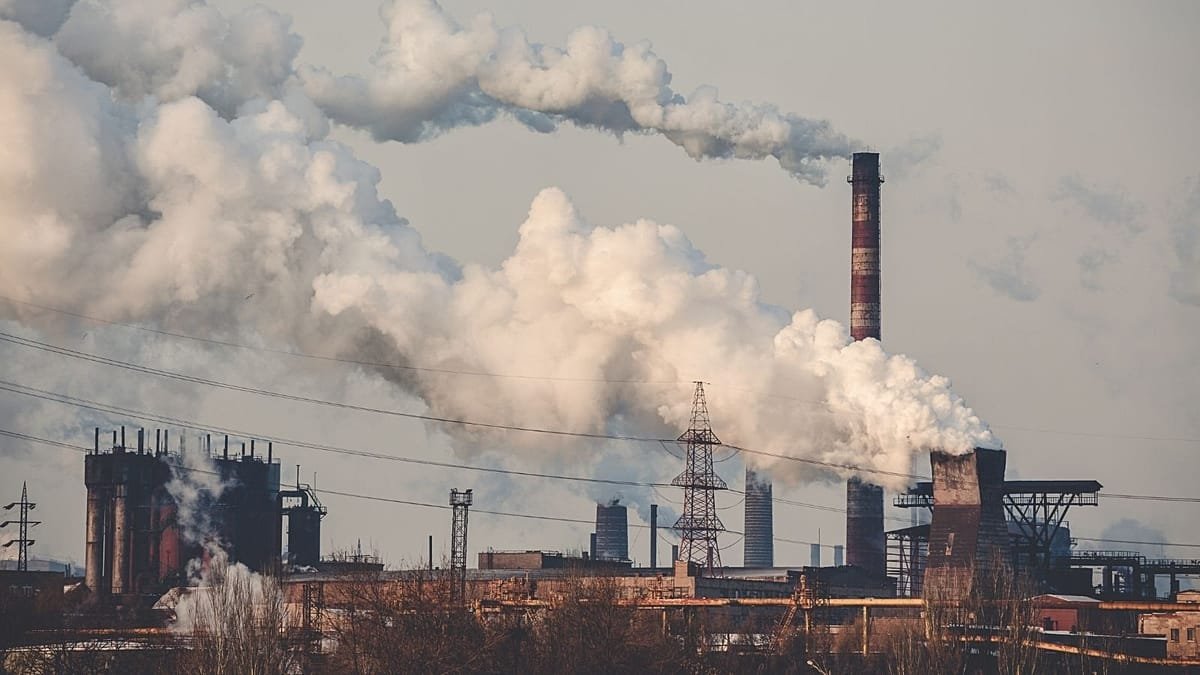
A new report released by the Union for International Cancer Control (UICC) with support from the Clean Air Fund shows that air pollution is associated not only with its effects on the lungs, but also with an increased risk of developing cancer overall.

advertisement
advertisement
The report synthesized data from 42 meta-analyses and systematic reviews published between 2019 and 2024 and found that air pollution not only causes lung cancer, but also significantly increases the risk of multiple other cancers and increases the likelihood of death from lung cancer.
“Clean air is not a luxury, it’s a fundamental human right, supporting health, equity and sustainable development. Tackling air pollution is not only an environmental priority, it’s a cancer prevention strategy, an economic investment and an act of social justice,” Helen Clark, former New Zealand Prime Minister and co-chair of Our Common Air, said in the publication.
The report found particulate matter posed the greatest risk. Populations exposed to high levels of PM2.5 face an 11% increased overall risk of developing cancer compared to populations in less polluted environments, with liver, colorectal, kidney, lung, and bladder cancers experiencing the steepest increases.
Long-term exposure to high levels of PM2.5 was also associated with a 12% increased overall risk of dying from cancer, and specifically a 20% increased risk of breast cancer, a 14% increased risk of liver cancer, and a 12% increased risk of lung cancer.
Exposure to greater air pollutants (PM10) was associated with a 10% increase in overall cancer risk, a 13% increase in the risk of death from lung cancer, and an 11% increase in the risk of death from breast cancer.
Not everyone is affected equally
The report also found that these risks are not shared equally. Women and children are generally more exposed to smoke from solid fuels used for cooking and heating. Women exposed to household air pollution face a 69% higher risk of lung cancer, along with an increased risk of cervical cancer, the authors found.
The report found that people living in low- and middle-income countries bear the greatest burden. They are exposed to higher levels of pollution because they have limited resources to reduce pollution and limited access to timely cancer treatment.
And inequality is not limited to low-income countries. In Europe, a recent study found that the poorest regions are the most affected by pollution.
“We have made great progress in reducing deaths from cancer, but polluted air is quietly undermining that progress. It is a risk that people cannot escape, and it is a risk that disproportionately affects women, children, and people living in poverty,” said UICC CEO Cary Adams.
The need for stronger action
While there is growing awareness of the link between air pollution and many cancers, the authors called for further concerted action.
“Further research is still needed to better quantify risks beyond the respiratory system and to understand the effects of non-particulate pollutants and the biological processes that air pollution affects the human body,” Elisabeth Weiderpas, executive director of the International Agency for Research on Cancer (IARC), said in the report.
She added that the cancer community cannot afford to wait for complete evidence before acting.
“The harms of air pollution are already clear, and the benefits of reducing exposure are well-documented across a wide range of health effects, including lung cancer, cardiovascular and respiratory diseases, child health, and neurocognitive conditions such as dementia,” Widerpas said.
The report calls for expanding the scientific evidence on the effects of air pollution beyond lung cancer and establishing more robust air quality monitoring and standards.
