


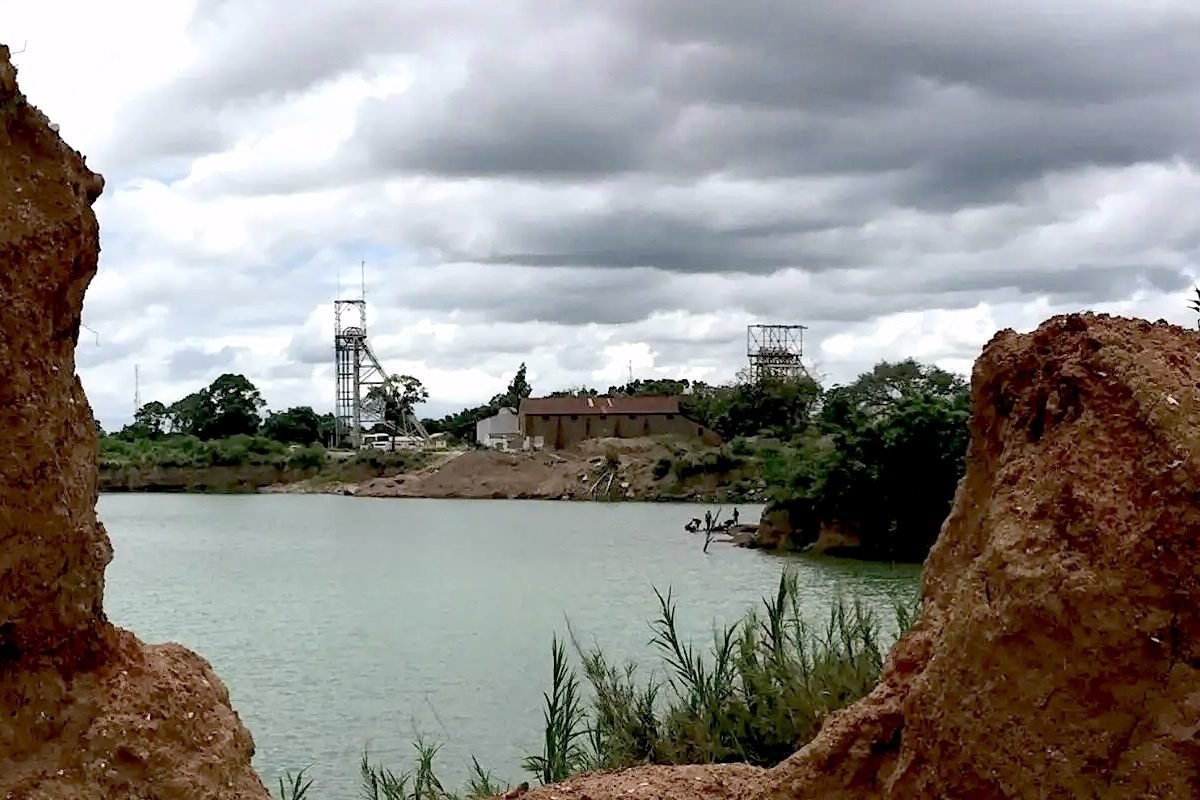
Thirty years after the closure of one of the world’s largest lead mines, the people of Kabwe in Zambia are still dealing with the aftermath. Facing rampant lead contamination that continues to put children at risk, Kabwe families, along with a coalition of human rights groups, are calling on the African Union to force Zambia to clean up the site.
“For generations, children in Kabwe have been forced to grow up in a toxic environment that no child should ever be exposed to,” said Moussa Kika, director of the African Institute for Human Rights and Development, one of the groups filing the complaint with the African Union. “The science is clear, the harm is undeniable and the state has been paying attention for years. Children cannot continue to pay the price of inaction.”
The group claims Zambia violated the African Charter on the Rights and Welfare of the Child by failing to address endemic lead pollution in Kabwe.
The Broken Hill lead and zinc mines closed in 1994, but the site was never cleaned up. Currently, about 6.4 million tons of lead-containing waste continues to pollute Kabwe, while 95 percent of children living near the mines have dangerous levels of lead in their blood, Yale University’s Environment 360 magazine reported in March.
“We have sick children,” Kabwe teacher David Mwape told e360. “Sometimes I fall asleep during class. I can’t concentrate.”
Local families and human rights groups are calling on the African Union to find a permanent solution to the problem. They want Zambia to finally eliminate lead contamination, end artisanal mining on the site, and provide testing and medical care to affected children.
Alan Ghali, Africa advocacy director at Human Rights Watch, said the complaint is “a necessary and urgent effort to end this cycle of neglect and calls for accountability and immediate action from the Zambian government.”
The move comes as Zambia seeks to ramp up mining of copper, cobalt and other metals used in electric vehicles, batteries and other technologies needed for the transition to clean energy. Toxic pollution from past mining has raised concerns that a new wave of mining will come at high costs for Zambians.
“Should we wait to expand the mines until we resolve the issues and exposures that we are dealing with?” Josphat Njobu, head of Zambia’s Children’s Justice Advocacy Group, told e360. “of course.”
Also featured in Yale E360
Legacy of pollution looms as Zambia pushes for new mining
