


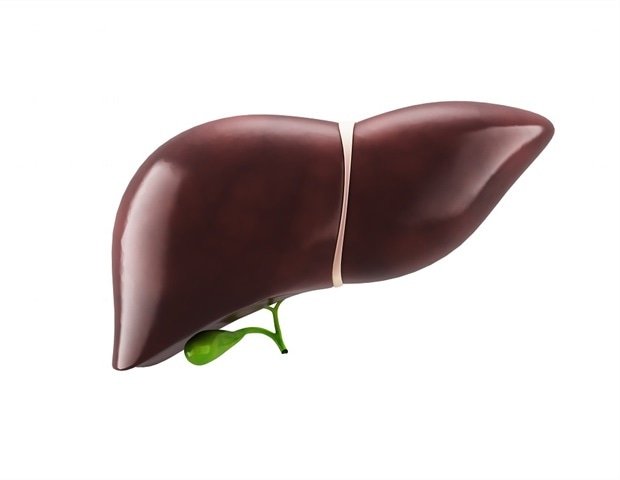
In patients who develop end-stage liver disease, the damage is usually too severe for the liver’s extraordinary regenerative abilities to repair or compensate. Once this “point of no return” is reached, the only option is organ transplantation. However, obtaining a liver transplant is extremely difficult due to high demand and limited supply. At any given time, there are about 9,000 to 10,000 people with liver disease on the U.S. national transplant list, and about 20% of them become too ill to receive a transplant or die while waiting.
Ambitious efforts are underway that will eventually enable the engineering of entire liver organs that can be transplanted. However, so far, the maximum size of laboratory-designed liver constructs remains limited and has not yet been able to provide therapeutic benefit to patients. Now, a research team at the Wyss Institute at Harvard University, Boston University, and the Massachusetts Institute of Technology, led by Wyss Institute core faculty member Christopher Chen, MD, and associate faculty member Sangeeta Bhatia, MD, has approached this important question from a different angle.
“We asked whether it would be possible to first transplant a small-scale liver construct and then expand it in the body after engraftment. A fully grown and functioning ‘satellite liver’ could immediately relieve the metabolic burden on the damaged liver and help bridge the time until transplantation becomes possible,” Chen said. “This project was a natural extension of our long-standing collaboration in engineering liver tissue therapeutics, and was the perfect combination of Sangeeta’s expertise in nanotechnology and liver bioengineering and my expertise in cell engineering and angiogenesis,” added Chen. William Fairfield Warren Distinguished Professor of Biomedical Engineering Director of the Center for Biological Design at Boston University. He also leads the Wyss Institute’s 3D Organ Engineering Initiative and is the team leader for the recently awarded ARPA-H PRINT supported ImPLANT project. This project focuses on whole organ liver engineering at Wyss and collaborating institutions. Bhatia also John J. and Dorothy Wilson Professor of Health Sciences and Technology, Electrical Engineering and Computer Science He holds a PhD from the Koch Institute for Integrative Cancer Research at the Massachusetts Institute of Technology and is a fellow at the Howard Hughes Medical Institute.
Chen and Bhatia’s team was spearheaded by Dr. Amy Stoddard. (MIT ’25) She developed this strategy during her doctoral research, and later as a postdoctoral researcher, she integrated tools from tissue engineering and synthetic biology into the genetic strategy, which she named “Bioengineered Propagation on Demand.” via “Synthetic Biology Trigger”, or BOOST for short. By specifically rewiring gene expression in primary liver hepatocytes and supporting fibroblasts, they were able to effectively turn on tissue growth programs in engineered small liver constructs after transplantation into mice. Their discovery is scientific progress.
Green signal for artificial liver growth
To be able to induce growth of transplanted small liver constructs on site Inside the recipient’s body, the researchers first needed to identify the relevant cues that make this possible.
Because liver growth is known to be regulated by soluble growth factors (GFs), Stoddard screened a collection of candidate factors to identify those that had the strongest growth-inducing effects when added to cultured human primary hepatocytes (HEPs). “We ended up with a set of four growth factors, HGF, TGFa, WNT2, and RSPO3, that strongly induced the proliferation of sparsely scattered HEPs in a culture dish. However, when we tested whether they could do the same in 3D liver tissue consisting of tightly packed HEPs and fibroblasts, we found that they were ineffective,” said Stoddard, who was co-supervised by Chen and Bhatia. “From this, we hypothesized that additional mechanisms must be at work in human HEPs to inhibit cell proliferation under high-density conditions.”
The research team focused on an interesting intracellular protein known as YAP, which senses mechanical signals. This protein was known to move from the cytosol of cells to the nucleus under low-density conditions and aid in the expression of genes involved in cell proliferation. However, in high-density conditions where cells are compacted, YAP is degraded in the cytosol, preventing activation of these target genes and limiting proliferation. “Importantly, when we overexpressed in HEP a non-degradable version of YAP that reaches the nucleus under high-density conditions to participate in gene regulation, we were able to override this density checkpoint in HEP. Interestingly, to proliferate in high-density 3D liver tissue, HEP requires YAP and GF “Despite nearly a century of research, most of the insight into liver regeneration has come from studies in rodents, and our work proves that liver growth control in humans is a bit more complex.”
Translation through synthetic biology
With the goal of safely inducing and controlling HEP proliferation in vivo and ultimately in human patients, researchers deployed synthetic biology tools to locally introduce control of these signaling pathways into fibroblasts within HEP and the engineered 3D liver tissue itself. They genetically engineered fibroblast cell lines, each of which secretes one of the four GFs, and HEP, which expresses the non-degradable YAP protein. We then made the expression of all proteins “inducible.” This means that the protein is only produced in the presence of the common and harmless antibiotic doxycycline (DOX) and ceases to be produced when DOX is removed. This is a common technique used by biologists to study proteins of interest in a controlled manner. In time-course experiments, the research team confirmed that continuous treatment with DOX for seven days caused 3D liver tissue composed of engineered cells to steadily expand in size and cell number in the culture dish, and that removal of DOX returned HEP to a non-proliferative state. “However, when we compared the gene expression of single cells in BOOST-engineered DOX-induced 3D liver tissue to the gene expression of cells in non-manipulated or BOOST-engineered non-induced 3D liver tissue, we noticed that there is a trade-off in that expansion. High proliferation rates and a less functional HEP state go hand in hand. We believe this is a natural trade-off seen in different biological environments, but we hope to be able to address this in the future, recognizing that the liver also has innate refunctionalization signals to exploit.” Stoddard explained.
However, the litmus test for the proliferation of 3D liver tissue by BOOST manipulation was to see if it proliferated similarly after being transplanted into live mice systemically treated with DOX for the same 7 days. In fact, when doubling the engineered HEP alone, the transplanted tissue showed an astonishing 500% increase in proliferation and became vascularized to meet the metabolic demands of the expanded tissue. It was also well tolerated in mice, with no signs of fibrosis due to immune cell invasion, fibroblast inflammation, or tumor growth. “These results were particularly interesting to us,” Stoddard said. “Until our research, host liver injury was always required to trigger liver cell engraftment and proliferation. Now, we were able to alleviate this dependence and trigger on-demand growth of liver tissue transplanted into a fully healthy host.” In the future, the research team plans to investigate the ability of boosted liver tissue to rescue the host in the context of liver injury.
“Our BOOST strategy lays the foundation for a future in which solid organ cell therapies can be non-surgically controlled according to the needs of patients and physicians. Beyond the treatment of liver disease, the BOOST premise has the potential to be applied to other engineered tissue treatments that are similarly constrained by the challenges associated with scaling up tissues, such as artificial hearts and pancreatic tissues to address critical diseases,” said Bhatia.
“This collaboration, born from the unique expertise of Chris and Sangeeta’s labs and our continued efforts to address the challenge of liver shortage, has led to an entirely new liver solution that is equally valuable in addressing other diseases. This is an excellent demonstration of how the Wyss Institute is working to transform the lives of patients who often have no other options,” said Wyss Founding Director Donald Ingber, MD. who is too Judah Folkman Professor of Vascular Biology Harvard Medical School and Boston Children’s Hospital, and Hansjörg Wyss Professor of Bioinspired Engineering Completed Harvard University John A. Paulson School of Engineering and Applied Sciences.
sauce:
Wyss Institute for Bioinspired Engineering, Harvard University
Reference magazines:
DOI: 10.1126/sciadv.adz8362
