


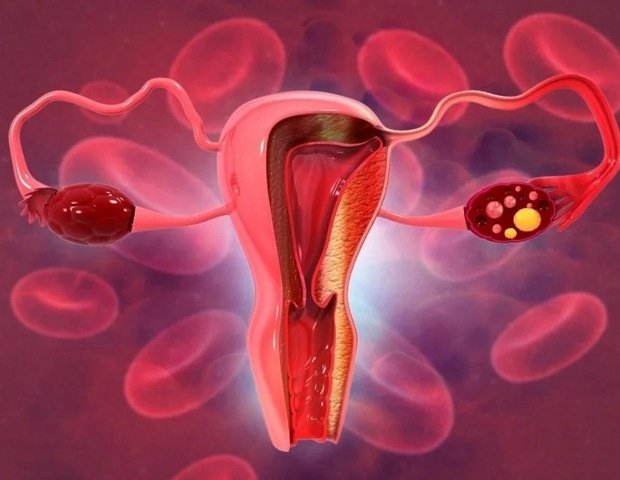
Although most oncologists say they would prescribe hormone therapy to cervical cancer patients who experience early menopause due to radiation therapy, barriers actually prevent many patients from doing so, according to a new study from the University of Kentucky Markey Cancer Center published in JAMA Network Open.
Premenopausal patients treated for cervical cancer with chemoradiotherapy, which combines chemotherapy and radiation, often experience menopause as a side effect of radiation to the ovaries, with symptoms such as hot flashes, trouble sleeping, and vaginal dryness. Although clinical guidelines support the use of hormonal therapy to manage menopausal symptoms in this group, research shows that this treatment remains underutilized.
The study, led by Markey Cancer Center radiation oncologist Dennis Fabian, MD, and lead author Morgan Levy, MD, can identify barriers to prescribing and inform efforts to improve patient care.
The research team, through the Society of Gynecologic Oncology and the American Brachytherapy Association, surveyed 178 gynecologic and radiation oncology clinicians nationwide about their attitudes and prescribing habits regarding hormone therapy for cervical cancer patients treated with chemotherapy and radiation.
The survey found that 99.3% of gynecologic oncologists and 73.8% of radiation oncologists said they would consider prescribing hormonal therapy after chemoradiotherapy. Despite their willingness, both groups reported barriers. There is a lack of ability to manage long-term patient care and a lack of awareness of existing clinical guidelines.
“This study highlights an important opportunity to strengthen survivorship care for cervical cancer patients both in Kentucky and nationwide,” Fabian said.
Hormone therapy can meaningfully improve not only your quality of life but also your long-term health. We need to make it accessible to more patients. ”
Dennis Fabian, University of Kentucky Markey Cancer Center
“This study shows that oncologists are interested in prescribing hormone therapy to improve patients’ quality of life,” Professor Levy said. “We are excited to continue collaborating with our multidisciplinary teams in survivorship and gynecologic oncology to design interventions to improve standards of care.”
Researchers say future research will focus on increasing awareness of the guidelines and finding ways to make prescribing more manageable for clinicians, with the goal of giving more patients access to treatments that evidence shows are safe and effective.
sauce:
University of Kentucky Markey Cancer Center
Reference magazines:
Levy, Mississippi; others. (2026) Medical oncologists’ attitudes toward hormone therapy after chemoradiotherapy for cervical cancer. JAMA network open. DOI: 10.1001/jamanetworkopen.2026.6862. https://jamanetwork.com/journals/jamanetworkopen/fullarticle/2847754.
