


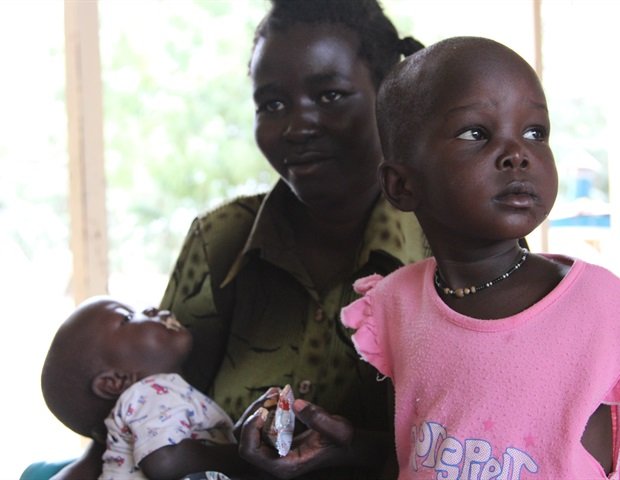
After three years of war, Sudan is now in the world’s largest humanitarian crisis, with 34 million people in need of aid and 21 million without access to health services, with repeated attacks crippled a health system already weakened by disease and starvation.
While the situation is improving in some states, the health crisis is deepening in areas where fighting continues. Disease incidence and malnutrition are on the rise, while access to health services is shrinking and underfunded.
Sudan’s war is destroying lives and denying people their most basic rights, including health, water, food and security. Health systems are overwhelmed, leaving millions of people without essential medical care. Doctors and health care workers can save lives, but they must have a safe place to work and the medicines and supplies they need. After all, the best medicine is peace. ”
Dr. AS WHO Director-General Tedros Adhanom Ghebreyesus
It is estimated that more than 4 million people will suffer from acute malnutrition in 2026 (IPC Alert, 5 February 2026), making them more susceptible to complications and diseases.
Disease outbreaks are widespread, with malaria, dengue, measles, polio (cVDPV2), hepatitis E, meningitis, and diphtheria reported from several states, including Al Jazira, Darfur, Gedaref, Khartoum, Kordofan, Nile, and White Nile states.
In Sudan’s 18 states, 37% of health facilities remain non-functional. Health facilities, ambulances, patients, and health workers have been repeatedly attacked, further reducing access to health care, particularly in conflict-affected areas where hospitals are only partially functional or closed due to destruction of facilities and equipment.
WHO has confirmed that since April 15, 2023, there have been 217 attacks on healthcare facilities, resulting in 2,052 deaths and 810 injuries.
In the Greater Darfur and Kordofan regions, fighting has forced people from their homes and severely restricted the flow of humanitarian supplies. One example is the recent attack on El Dein Teaching Hospital in East Darfur, which further exacerbated the crisis, killing at least 64 people, including children and health workers, and leaving the hospital paralyzed. The hospital served as an important referral hospital for hundreds of thousands of people across East Darfur.
Dr Hanan Balki, WHO Regional Director for the Eastern Mediterranean, said: “Three years of conflict have left Sudan with the world’s largest ongoing health crisis. Disease is widespread, malnutrition is on the rise and access to health care is rapidly declining.” “Sudan’s health crisis continues to deepen, with millions without basic health care, facing hunger and at risk of disease, highlighting the urgent need for humanitarian assistance and long-term solutions. We remain committed to the people of Sudan.”
WHO actions
With services suspended, patients in urgent need of treatment are forced to make long and dangerous journeys to reach the nearest functioning health facility. Repeated attacks on medical facilities in Kordofan have also destroyed medical facilities and caused similar human suffering, including injuries and deaths of patients, including children.
“WHO has been on the ground since the start of the conflict, providing supplies, disease surveillance, training and coordination,” said Dr Sibur Sabani, WHO representative in Sudan. “As access opens up in some areas, we are ramping up efforts to support the early recovery and rebuilding of health systems alongside the humanitarian response.”
WHO has supported the supply chain of essential medicines, medical supplies and equipment, strengthened the health workforce, and supported the recovery of key public health services, including state and national reference laboratories. Since April 2023, WHO has delivered more than 3,300 tonnes of medicines and medical supplies, including supplies for cholera, malaria, nutrition and trauma treatment.
WHO-supported services have helped provide essential health care to more than 4.1 million people through primary health care centres, mobile clinics and hospitals. WHO also supported treatment and vaccination campaigns for more than 118,000 children with complex and severe acute malnutrition, and immunized more than 46 million children and adults against cholera, polio, diphtheria, measles and rubella. A malaria vaccine was also introduced. Sudan is the first country in the region to incorporate malaria vaccines into routine immunization programs.
WHO worked closely with federal and state ministries of health and partners to contain two cholera outbreaks. The most recent one was declared over in March 2026 after sustained responses that lasted more than a year, including an oral cholera vaccination campaign that reached 24.5 million people.
WHO recognizes that the generosity of donors and development partners has ensured the provision of medical supplies, equipment, operational support and technical assistance.
WHO reiterates its commitment to the health of all people everywhere in Sudan. To ensure this, WHO calls for unrestricted and safe access to all parts of Sudan, protected health care, and continued humanitarian and long-term funding.
Peace has been long overdue for Sudan. There can be no health without peace.
sauce:
world health organization
