


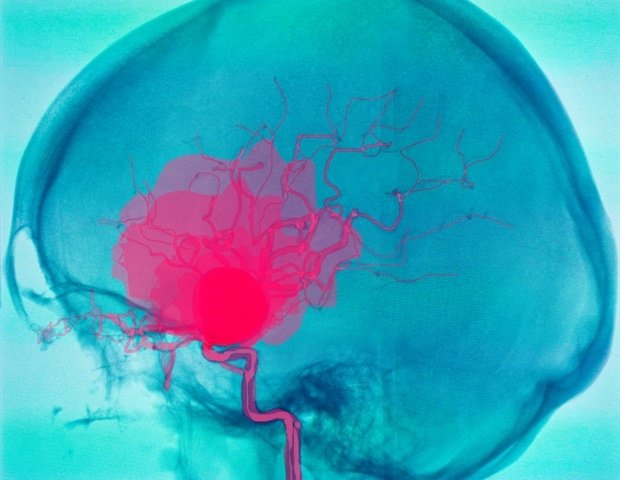
An aortic aneurysm is characterized by an abnormal enlargement of the aorta, the main artery responsible for carrying blood away from the heart. Rupture often leads to sudden death, and there are currently no effective drug treatments to halt the progression of the disease.
Researchers at Japan’s Nagoya University have found that aortic aneurysms are associated with clonal hematopoiesis, an age-related process in which blood-forming stem cells acquire genetic mutations. Their findings were; clinical research journalsuggests that commonly used osteoporosis drugs may slow or stop aneurysm progression.
Currently, surgery is the only definitive treatment for aortic aneurysms. The surgical decision is determined by the risk of rupture, which is assessed through imaging of aneurysm diameter, morphological features, and dilatation rate.
Predicting which patients will experience progressive aneurysm enlargement remains difficult, highlighting the need for additional indicators to better stratify disease progression risk. Additionally, the development of drugs that slow disease progression is critical to reducing mortality. Achieving both goals requires a clear understanding of the underlying mechanisms.
To address this issue, Assistant Professor Yoshimitsu Yura and graduate student Atsushi Yonekawa of the Nagoya University Graduate School of Medicine and their colleagues conducted a comprehensive study.
The research team hypothesized that macrophages derived from clonal hematopoiesis accelerate aortic aneurysm progression. Although clonal hematopoiesis is recognized as a contributor to several age-related diseases such as cardiovascular disease and osteoporosis, its association with aortic aneurysms remains unclear.
Analysis of patient data
The researchers first conducted a clinical study to examine the relationship between clonal hematopoiesis and abdominal aortic aneurysms in 44 patients scheduled for aneurysm surgery.
Genetic analysis and retrospective clinical data showed that approximately 60% of patients suffered from clonal hematopoiesis. These patients had a significantly faster rate of aneurysm expansion compared with patients without clonal hematopoiesis.
These results suggest that clonal hematopoiesis, detectable by routine blood sampling, may serve as a new biological marker alongside traditional indicators.
Elucidation of causal mechanisms in animal models
The researchers then used a mouse model of clonal hematopoiesis caused by substances such as: Tet 2 mutation. These mice showed more rapid aneurysm progression and a greater increase in aortic diameter than control mice.
Histological analysis showed thinning and fragmentation of elastin fibers in the aortic wall, substantial macrophage infiltration, and degeneration of adjacent vascular smooth muscle cells.
Further analysis suggested that Tet2 mutant macrophages in affected mice showed increased expression of osteoclast-associated markers, including TRAP. In vitro, these macrophages showed an enhanced propensity to differentiate into osteoclast-like cells and upregulated MMP-9 expression. These findings suggest a potential mechanism by which Tet2 mutant macrophages may contribute to extracellular matrix degradation and aneurysm progression.
This study also identified the RANK/RANKL signaling axis as a key factor in cell differentiation. This axis is also involved in the development of osteoporosis. The researchers found that inactivating the RANK gene in macrophages suppressed cell transformation and abnormal aortic dilatation.
Possibility of non-surgical approaches
To assess clinical relevance, the researchers treated affected mice with an anti-RANKL antibody and alendronate, an osteoporosis drug. This intervention significantly reduced aneurysm progression.
These drugs have already been approved by the FDA and have established safety profiles, so they may be repurposed for clinical use. Our findings provide a rationale for exploring drug-based therapeutic strategies for aortic aneurysms. ”
Jun Yonekawa, lead author of the study
Yura, lead author of the study, concluded: “Our hypothesis that vascular disease may result from aging of the blood allowed us to identify the underlying mechanisms of aortic aneurysms. We hope that these results will improve prediction of the disease and support the development of treatments to halt its progression.”
sauce:
Reference magazines:
