

Close Menu

    Subscribe to Updates

    Get the latest creative news from FooBar about art, design and business.

    What's Hot

    Feeling lonely affects memory without accelerating mental decline

    April 15, 2026

    Travele receives breakthrough rare disease approval, charting path towards Filspari’s $3 billion US opportunity

    April 14, 2026

    This Mediterranean-style diet is associated with a slower rate of brain volume loss as we age.

    April 14, 2026
    Facebook X (Twitter) Instagram
    Facebook X (Twitter) Instagram
    Health Magazine
    • Home
    • Environmental Health
    • Health Technology
    • Medical Research
    • Mental Health
    • Nutrition Science
    • Pharma
    • Public Health
    • Discover
      • Daily Health Tips
      • Financial Health & Stability
      • Holistic Health & Wellness
      • Mental Health
      • Nutrition & Dietary Trends
      • Professional & Personal Growth
    • Our Mission
    Health Magazine
    Home » News » This Mediterranean-style diet is associated with a slower rate of brain volume loss as we age.
    Mental Health

    This Mediterranean-style diet is associated with a slower rate of brain volume loss as we age.

    healthadminBy healthadminApril 14, 2026No Comments5 Mins Read
    This Mediterranean-style diet is associated with a slower rate of brain volume loss as we age.
    Share
    Facebook Twitter Reddit Telegram Pinterest Email


    A Mediterranean diet rich in olive oil, fish, vegetables, and legumes has long been associated with improved heart health. Brain-focused dietary variations are receiving scientific attention, with growing evidence suggesting they may support brain health as we age.

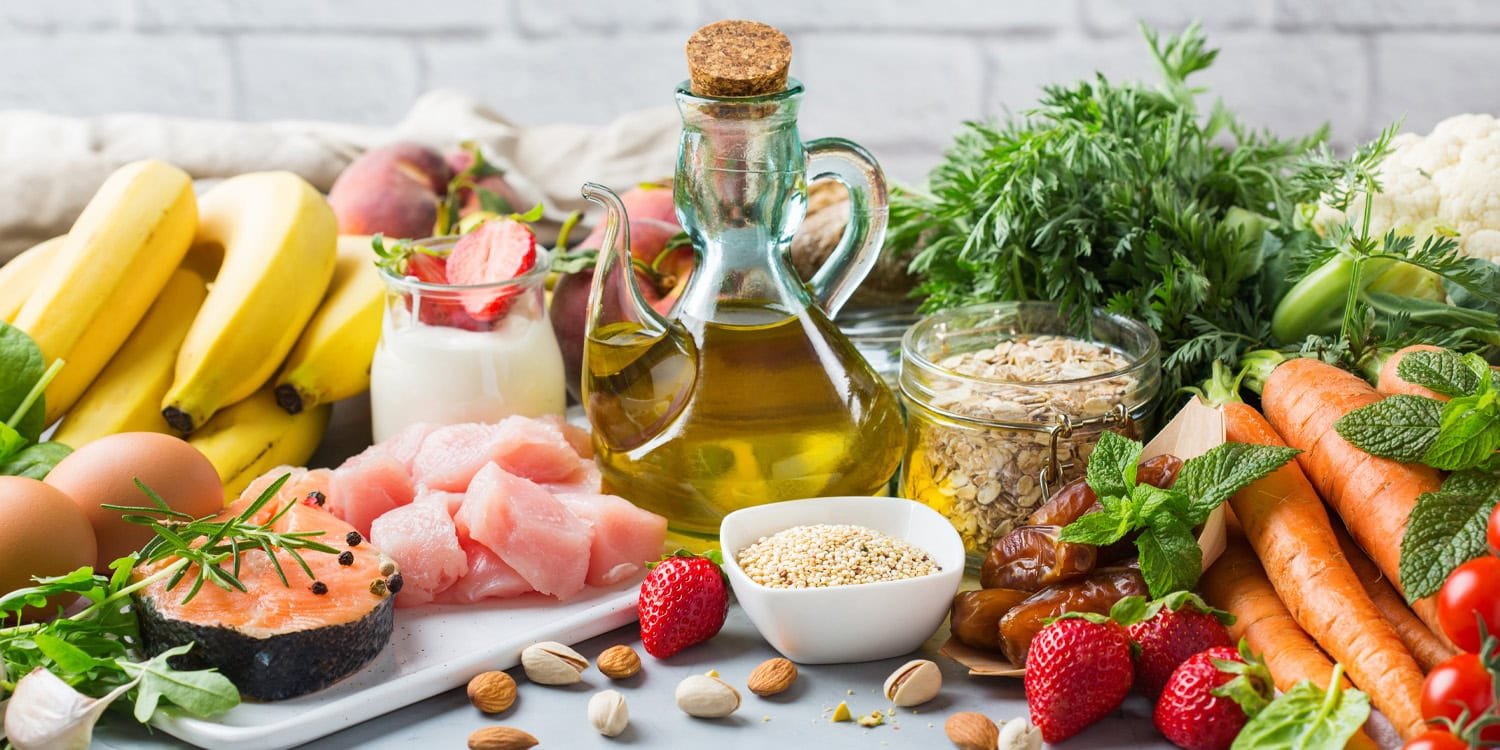
    It’s called the Mind Diet. The name stands for Mediterranean Dash Intervention for Neurodegenerative Delay, but more important than the acronym is what it actually contains. It includes plenty of green vegetables, beans, whole grains, nuts, berries, poultry, and fish, uses olive oil as the main cooking fat, and includes limited amounts of red meat, butter, cheese, fried foods, and sweets. It combines the most brain-friendly elements of two well-researched eating patterns: the traditional Mediterranean diet and the DASH diet, which was originally developed to lower blood pressure.

    A recent analysis from the long-term Framingham Heart Study examined the diets of adults over 60 and assessed how these dietary patterns correlated with brain scan data collected later in the study. Those who followed the Mind Diet most closely tended to have more gray matter (tissue associated with memory and decision-making) and were shown to have less overall brain volume loss over time.

    The results of both studies point in the same direction. This means that this way of eating may help keep your brain in better shape as you age.

    This is not the first study to suggest a link between diet and dementia risk. A previous analysis combining 12 observational studies found an overall reduction in dementia risk of 15 to 22 percent for people who followed a Mediterranean-style diet, with the MIND diet showing the strongest effect of the three patterns studied. This is a meaningful difference, even if it cannot be considered evidence that diet alone is the cause.

    The Framingham study highlighted berries and chicken as particularly beneficial for gray matter. This is consistent with what other studies have suggested. For example, blueberries have been the subject of several small trials, and one recent study found that they improved memory, even in people who were already showing early signs of memory loss.

    Other studies have linked red and processed meats to increased risk of dementia, so replacing them with chicken may be part of the reason why chicken appears to be beneficial.

    Some of the findings were not so simple. As expected, fried foods were associated with worse outcomes. But whole grains, generally considered one of the healthiest staple foods, produced surprisingly weak results.

    For unknown reasons, consuming large amounts of bread, pasta, and even whole grains can raise blood sugar levels enough to offset some of the effects. The evidence regarding whole grains and brain health remains mixed, and this is one area where more research is needed.

    It’s also worth noting who was most likely to follow the Mind Diet in the Framingham study. They tend to be female, non-smokers, highly educated, and less likely to be overweight, have diabetes, high blood pressure, or heart disease. All of these factors are independently associated with improved brain health, making it very difficult to tease out how much of the benefit comes from the diet itself, and how much from the broader lifestyle that goes along with it.

    What we know and don’t know about science

    This is the central challenge facing all research in this field. Most studies are observational, meaning they track what people eat and what happens over time, rather than randomly assigning people to follow a certain diet and measuring the results.

    Observational studies can show associations but cannot prove causation. Self-reported dietary data is also unreliable at the best of times, especially in people whose memory has already begun to decline.

    Several trials of the Mind Diet have yielded mixed results. In one small, three-month study, participants reported improved mood and quality of life, but no improvements in memory or thinking skills.

    Another trial showed improvements in both brain scans and mental performance, but the participants were obese middle-aged women who also lost weight during the study, so it was difficult to know how much diet itself contributed. Three months is also not a period in which we would expect to see any visible changes in brain structure, but longer trials may tell us something else.

    This does not mean that the Mind Diet is not worth following. Extensive evidence across multiple studies and populations consistently points in the same direction, with few downsides to eating more vegetables, berries, fish, and olive oil.

    But diet is only part of a much bigger picture. Not smoking, staying active, controlling blood pressure and blood sugar levels, and maintaining social connections all appear to be at least as important when it comes to keeping the brain healthy later in life.

    The Mind Diet is not a cure for dementia, and it would be misleading to introduce it as if it were. Evidence suggests that the food choices we make over decades (not just later in life, but throughout adulthood) may silently shape our brain health, becoming visible only much later. It’s not a guarantee, but it’s a rational basis for eating well.conversationconversation

    This article is republished from The Conversation under a Creative Commons license. Read the original article.


    Source link

    Visited 1 times, 1 visit(s) today
    Share. Facebook Twitter Pinterest LinkedIn Telegram Reddit Email
    Previous ArticleLilly has been directed to gather more safety information for obesity product launch Foundayo
    Next Article Travele receives breakthrough rare disease approval, charting path towards Filspari’s $3 billion US opportunity
    healthadmin

    Related Posts

    Psychologists map a pathway linking sacred beliefs to better sex

    April 14, 2026

    emotional roots of contemplation

    April 14, 2026

    New study shows that watching TikTok’s ‘thirst traps’ is linked to lower relationship trust and satisfaction

    April 14, 2026

    Ketone esters show promise as new treatments for alcohol use disorder

    April 14, 2026

    Psychedelic therapy and conventional antidepressants show similar results under open-label conditions

    April 14, 2026

    Relationships with narcissists don’t get as bad as psychologists predicted

    April 14, 2026
    Add A Comment
    Leave A Reply Cancel Reply

    Categories

    • Daily Health Tips
    • Discover
    • Environmental Health
    • Exercise & Fitness
    • Featured
    • Featured Videos
    • Financial Health & Stability
    • Fitness
    • Fitness Updates
    • Health
    • Health Technology
    • Healthy Aging
    • Healthy Living
    • Holistic Healing
    • Holistic Health & Wellness
    • Medical Research
    • Medical Research & Insights
    • Mental Health
    • Mental Wellness
    • Natural Remedies
    • New Workouts
    • Nutrition
    • Nutrition & Dietary Trends
    • Nutrition & Superfoods
    • Nutrition Science
    • Pharma
    • Preventive Healthcare
    • Professional & Personal Growth
    • Public Health
    • Public Health & Awareness
    • Selected
    • Sleep & Recovery
    • Top Programs
    • Weight Management
    • Workouts
    Popular Posts
    • the-pros-and-cons-of-paleo-dietsThe Pros and Cons of Paleo Diets: What Science Really Says April 16, 2025
    • Improve Mental Health10 Science-Backed Practices to Improve Mental Health… March 11, 2025
    • How Healthy Living Is Transforming Modern Wellness TrendsHow Healthy Living Is Transforming Modern Wellness… December 3, 2025
    • Kankakee_expansion.jpgCSL releases details of $1.5 billion U.S.… March 10, 2026
    • urlhttps3A2F2Fcalifornia-times-brightspot.s3.amazonaws.com2Fc32Fcd2F988500d440f2a55515940909.jpegA ‘reckless’ scrapyard with a history of… October 24, 2025
    • Healthy Living: Expert Tips to Improve Your Health in 2026Healthy Living: Expert Tips to Improve Your Health in 2026 November 16, 2025

    Demo
    Stay In Touch
    • Facebook
    • Twitter
    • Pinterest
    • Instagram
    • YouTube
    • Vimeo
    Don't Miss

    Feeling lonely affects memory without accelerating mental decline

    By healthadminApril 15, 2026

    Loneliness affects memory in older people, but does not accelerate mental decline over time, data…

    Travele receives breakthrough rare disease approval, charting path towards Filspari’s $3 billion US opportunity

    April 14, 2026

    This Mediterranean-style diet is associated with a slower rate of brain volume loss as we age.

    April 14, 2026

    Lilly has been directed to gather more safety information for obesity product launch Foundayo

    April 14, 2026

    Subscribe to Updates

    Get the latest creative news from SmartMag about art & design.

    HealthxMagazine
    HealthxMagazine

    At HealthX Magazine, we are dedicated to empowering entrepreneurs, doctors, chiropractors, healthcare professionals, personal trainers, executives, thought leaders, and anyone striving for optimal health.

    Our Picks

    Lilly has been directed to gather more safety information for obesity product launch Foundayo

    April 14, 2026

    Psychologists map a pathway linking sacred beliefs to better sex

    April 14, 2026

    Scientists have recreated a rare cosmic reaction never seen before

    April 14, 2026
    New Comments
      Facebook X (Twitter) Instagram Pinterest
      • Home
      • Privacy Policy
      • Our Mission
      © 2026 ThemeSphere. Designed by ThemeSphere.

      Type above and press Enter to search. Press Esc to cancel.