


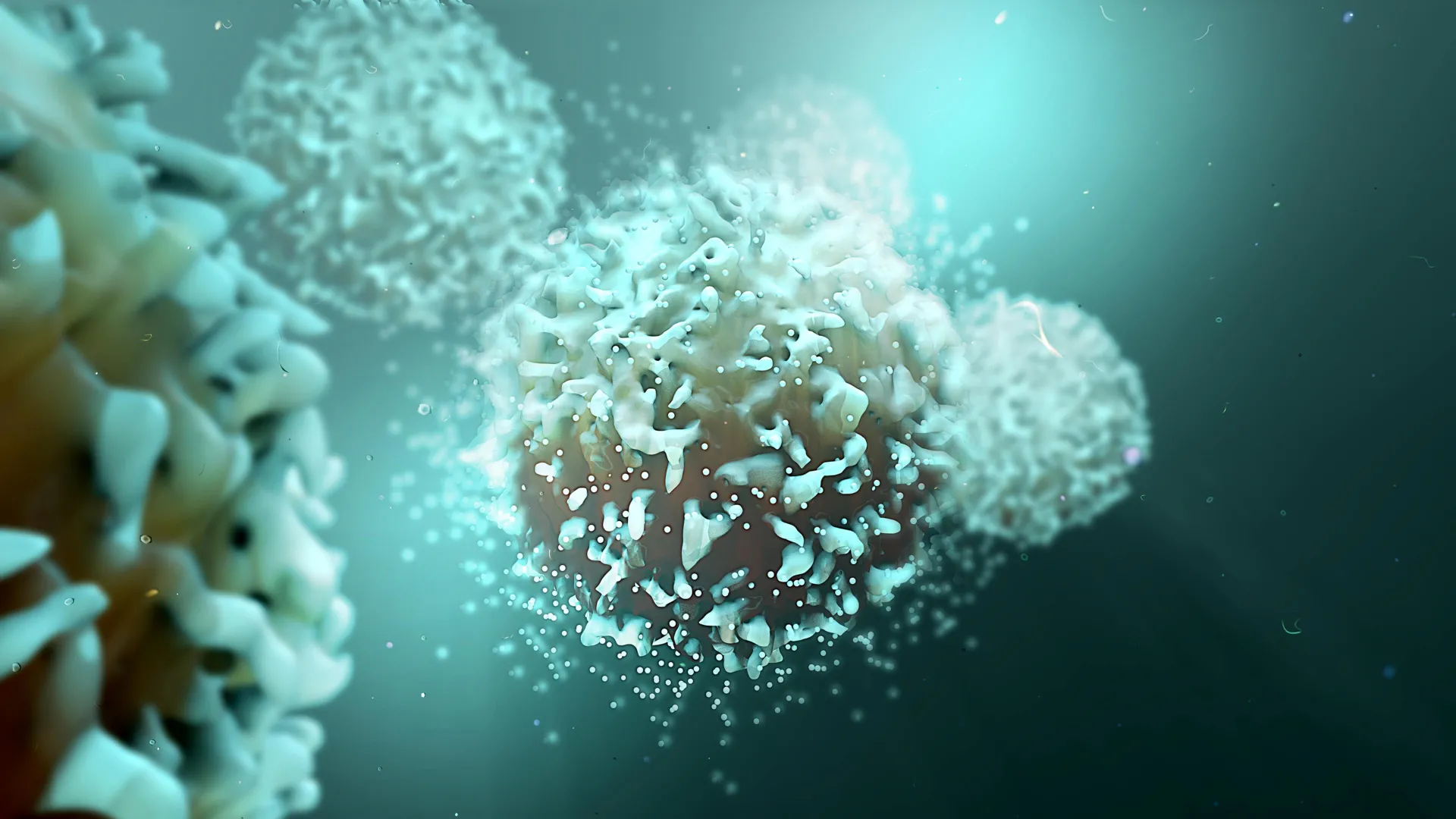
Researchers have discovered a way to make the immune system’s T cells even more effective at attacking cancer. By blocking a protein known as Ant2, they were able to change the way these cells produce and use energy, essentially rewiring their internal power supply. This change makes T cells more active and durable, increasing their ability to destroy tumors. This discovery points to a new treatment strategy that strengthens the body’s natural defenses and provides a more precise approach to cancer treatment.
New research suggests a path to next-generation cancer treatments by training the immune system to respond more efficiently and aggressively. The study was led by doctoral student Omri Yosef and Professor Michael Berger from the Hebrew University School of Medicine, in collaboration with Professor Magdalena Huber from Phillips University of Marburg and Professor Eyal Gottlieb from the University of Texas MD Anderson Cancer Center. Working together, an international team has discovered that by adjusting how immune cells process energy, they can significantly improve their ability to eliminate cancer.
At the heart of this study are important ideas. When T cells, which play a central role in immune defense, are forced to change the way they convert energy, they become much better at detecting and attacking cancer cells.
Blocking Ant2 boosts T cell power
“By disabling Ant2, we caused a complete change in the way T cells produce and use energy,” Professor Berger explains. “This reprogramming significantly improved the recognition and killing of cancer cells.” More simply, shutting down this protein prompts immune cells to adapt metabolically, turning them into stronger, faster, and more aggressive cancer-fighting cells.
Mitochondria and cellular energy rewiring
Published in nature communicationsthis research focuses on mitochondria, the “metabolic hub” of the cell. By intentionally disrupting specific energy pathways within T cells, the researchers effectively rewired the cells’ internal engines and placed them in a state of heightened readiness. These engineered T cells were more durable, proliferated more quickly, and targeted cancer cells more precisely.
From laboratory discoveries to potential treatments
One of the most important findings is that this metabolic change can be caused not only by genetic changes but also by drugs. This increases the possibility of translating this discovery into real-world treatments.
This research is part of a broader trend in cancer immunotherapy that focuses on not only inducing the immune system, but also upgrading how the immune system functions at a fundamental level. Although further research and clinical trials are still needed, the results highlight the potential for treatments that harness and strengthen the body’s own defenses.
“This study highlights how deeply interconnected metabolism and immunity really are,” Professor Berger said. “Learning how to control the power sources of immune cells may unlock more natural and more effective treatments.”
