


Recent research has revealed that the physical structure of certain brain regions acts as a bridge between narcissistic personality traits and the habit of hiding one’s emotions. By looking at brain scans of healthy adults, researchers found that the volume and surface folds of the anterior insula correspond to both narcissistic tendencies and emotional suppression. The study was published in the Journal of Affective Disorders.
Although narcissism is often thought of as a single personality flaw, psychologists divide it into two main dimensions. Grandiose narcissism is characterized by an exaggerated sense of self-importance, a constant desire for admiration, and a lack of empathy for others. Fragile narcissism is characterized by fragile self-esteem, hypersensitivity to criticism, and social withdrawal. Both types share an underlying core of self-centeredness and interpersonal difficulties.
What both grandiose and vulnerable personalities have in common is a struggle with emotional control. Emotion regulation refers to the mental strategies people use to manage their feelings and how they express those feelings to those around them. One strategy is cognitive reappraisal. This involves changing the way you think about stressful situations and changing their emotional impact. This approach is commonly seen as a protective factor against anxiety and mood disorders because it neutralizes negative emotions before they fully take hold.
Another strategy is suppression of expression. This includes actively hiding outward signs of emotion, such as keeping a straight face when sad or angry. Because emotions are already fully active in the body, suppressing their expression requires continuous mental effort and can deplete cognitive resources over time. Previous research has associated both types of narcissism with a strong reliance on expressive suppression.
People with high narcissistic traits often have a hard time processing their emotions in a healthy way, so researchers want to know how these behavioral patterns manifest in the physical structure of the brain. Lead author Lisa Schmidt and colleagues at Philipps University Marburg in Germany designed a study to examine these interacting factors. They focused on a brain region called the anterior insula. The anterior insula is located deep in the cerebral cortex and serves as the brain’s sensory integration center.
The anterior insula is intimately involved in processing physical sensations, emotional awareness, and empathy. It helps translate body signals into conscious emotions, allowing people to recognize when they are anxious, excited, or upset. Self-awareness and empathy are frequent challenges for individuals with prominent narcissistic traits, making the anterior insula a logical target for anatomical study.
Schmidt and her team recruited 172 healthy adults between the ages of 18 and 45. None of the participants had a history of psychiatric or neurological disorders. The choice to use a healthy cohort allowed the researchers to study normal personality variation without complicating factors such as medication or severe mental illness.
Participants completed a descriptive questionnaire to assess their personality and emotional habits. To measure narcissism, researchers conducted an assessment that assessed both grandiose and vulnerable traits across multiple subcategories, including exploitative behavior, grandiose fantasies, and contingent self-esteem. To measure emotion regulation, they answered questions about how often they use cognitive reappraisal and expressive suppression in their daily lives.
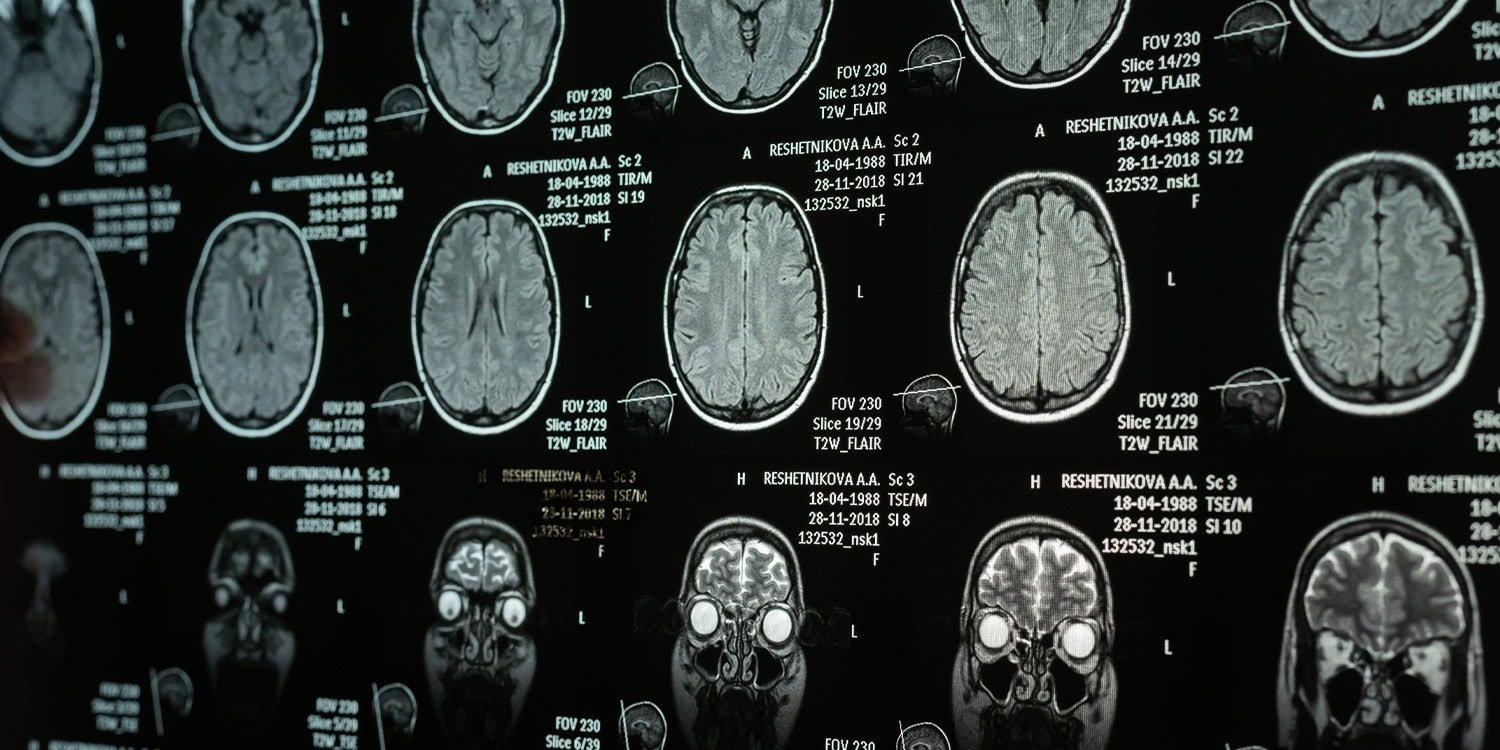
The researchers then analyzed the participants’ brains using a high-resolution magnetic resonance imaging scanner. They utilized specialized software to measure various structural aspects of the anterior insula. These measurements include the total volume of gray matter in the area and the degree of gyrification. Volume usually reflects the number of neurons and supporting cells at a particular location. Gyration refers to the degree of folding of the surface of the brain, which allows a larger cortical surface area to fit inside the skull.
Brain folding occurs early in human development. Because of this timeline, the degree of brain rotation is thought to be an indicator of how the brain was formed early in life, rather than a characteristic that changes dramatically from day to day. To understand the relationship between brain anatomy, emotion regulation, and narcissism, the researchers ran a statistical mediation model.
A mediation model is a mathematical tool used to test whether a third variable helps explain the relationship between a starting point and an ending point. Imagine three points forming a triangle. If point A is linked to point C, the betweenness model accurately tests whether the path goes from A through B to C. In this case, the researchers wanted to see if emotion regulation habits could explain the relationship between brain structure and narcissism, or vice versa.
Brain scans revealed a negative association between narcissistic traits and anterior insula size. Those who scored higher on both grandiose and vulnerable narcissism scales tended to have slightly smaller right anterior insula volumes. In the case of vulnerable narcissists, this negative relationship also extended to the left anterior insula.
Mediation analysis added nuance to these negative anatomical correlations. The researchers found that expressive suppression habits were statistically involved in the relationship between right anterior insula volume and narcissistic vulnerability. It also mediated the relationship between right insular surface folding and both spectacular and fragile features.
The statistical model also worked the other way. Narcissistic traits mediated the relationship between both left and right anterior insula volume and the use of expressive suppression. This illustrates a three-way dynamic in which the tendency to hide emotions forms a link between brain anatomy and personality, while personality simultaneously forms a link between emotional habits and brain structure.
The study included exploratory analysis of the whole brain to see if other regions were involved. Researchers noted positive associations between specific subtraits of narcissism and anterior insula folding. They also observed changes in the thickness of the cortex in the precuneus, a brain region located at the back of the parietal lobe. The precuneus is highly activated when people think about themselves, reflect on their past, and evaluate their characteristics in comparison to others.
The researchers did not find the expected association in the prefrontal cortex. Other behavioral studies sometimes link narcissistic traits to this frontal region, which governs higher-level decision-making and social behavior. The authors suggest that this discrepancy may be due to the specific questionnaire used, or the fact that previous studies have often focused on simple total scores rather than breaking down narcissism into diverse behavioral subtraits.
There are some limitations to keep in mind regarding these results. This study relied solely on self-report questionnaires to assess emotional habits and personality traits. Although standard in psychological research, self-reports can be influenced by personal bias and lack of self-awareness, especially when answering questions about relationship habits.
Participants were relatively young and had no psychiatric diagnosis. The authors note that the findings may not translate in exactly the same way to clinical populations, such as individuals formally diagnosed with personality disorders. Expanding this study to patients receiving psychiatric treatment could help scientists see whether these anatomical patterns also hold in more extreme cases.
The concept of narcissism is complex and overlaps significantly with other personality dimensions, such as negative affectivity and social dominance. Separating these overlapping factors is a consistent challenge in behavioral neuroscience. Future research may benefit from collecting broader behavioral data to isolate brain features specific to narcissistic traits.
These findings highlight the anterior insula as a convergence zone in the brain where self-image, physical structure, and emotional habits meet. Understanding how this brain region manages emotional suppression could ultimately help clinicians tailor treatment approaches. Addressing the underlying habit of hiding emotions may prove beneficial for those struggling with the personal and social costs of narcissistic behavior.
The study, “Interrelationships of Emotion Regulation, Anterior Insular Structure, and Narcissistic Traits,” was authored by Lisa Schmidt, Alejandra Dominguez-Ruiz, Tina Mellor, and Igor Nenadic.
