


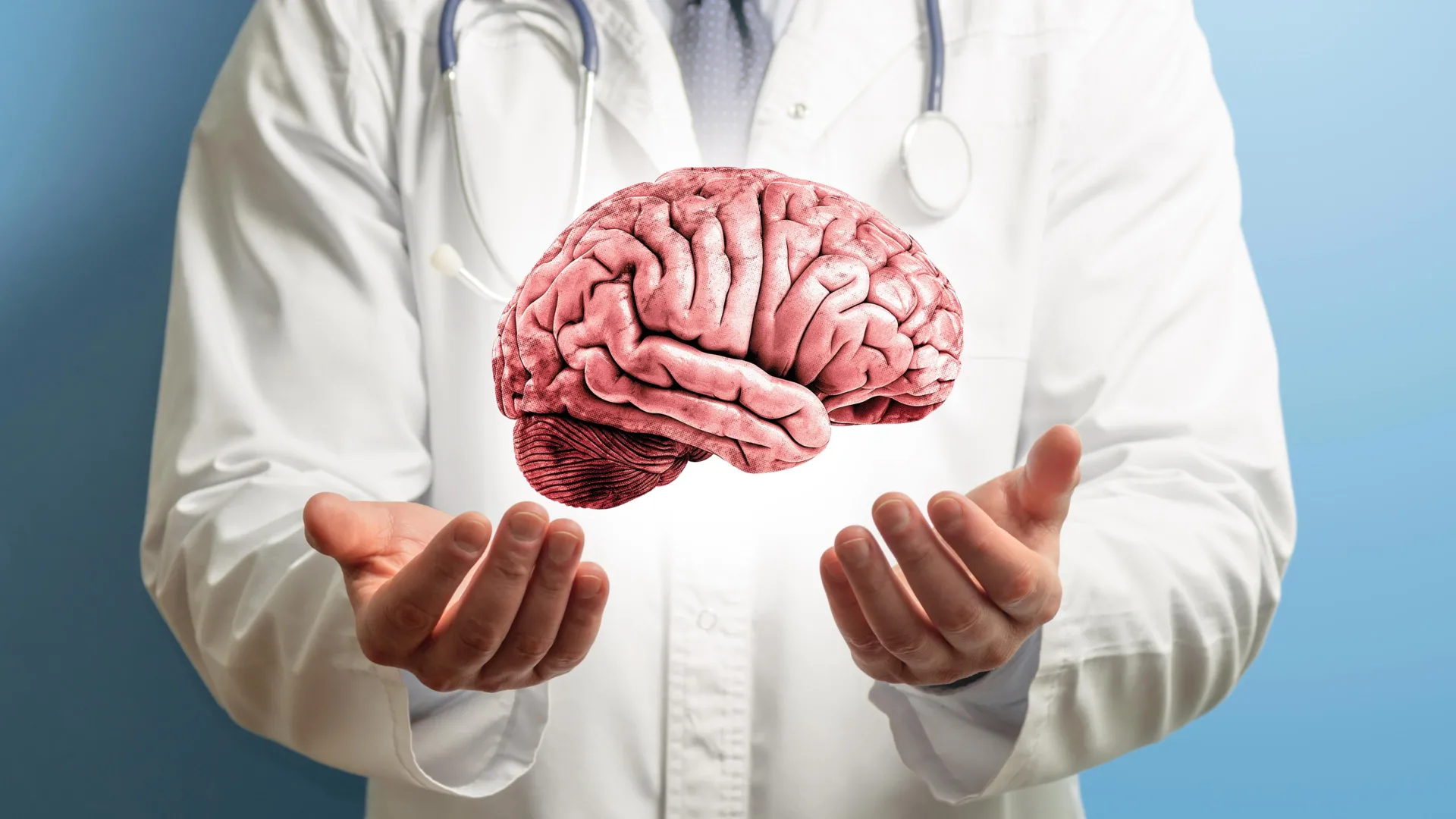
Autism Brainnet has published new research revealing a significant gap between public support for autism research and perceptions of how that research is conducted. While most Americans recognize the importance of studying autism brains, far fewer understand the role postmortem brain donation plays in advancing scientific discoveries.
The survey found that 92 percent of respondents thought it was very or very important to analyze the brains of people with autism. However, 70% said they had never heard of brain donation. This disconnect suggests that many people evaluate progress in autism research without understanding what makes it possible.
Brain donation and organ donation awareness
The findings also highlight clear differences in knowledge about organ and brain donation. More than 80 percent of respondents were knowledgeable about organ donation, and more than half were registered as organ donors. In contrast, only 15% of people know that brain donation is not included when registering as an organ donor. Separate procedures are required.
“For researchers studying autism and related neurodevelopmental conditions, postmortem brain tissue is an important scientific resource that cannot be reproduced by artificial intelligence, imaging techniques, or even animal experiments,” explains Dr. David G. Amaral, Scientific Director of Autism BrainNet and Distinguished Professor at the University of California, Davis. “Autism BrainNet’s goal is to foster the highest quality autism research, provide individuals and families with accurate information about brain donation, and give them more peace of mind in planning for donation before bereavement.”
Confusion over the brain donation process grows
The survey was conducted from February 26th to March. The number of respondents on the 2nd of 2026 was 1,007, indicating that many people do not understand much about how brain donation works. Less than half of participants knew that donations must be made within hours of death, rather than days or weeks later. A few even believed that donations could be made while a person was still alive.
There are also misconceptions about who is eligible to donate. Nearly a third of respondents incorrectly thought that having certain medical conditions, such as autism or epilepsy, would prevent them from donating. Indeed, these individuals are particularly valuable to researchers who rely on a wide range of brain samples to gain a deeper understanding of neurodevelopmental states.
Family perspectives on brain donation
“My brother Ed, who has autism, lived a rich and happy life surrounded by friends and family who loved him and appreciated his many interests and big, loving personality,” said Kathy Stein, who donated her brother’s brain to Autism BrainNet. “When he passed away, I donated his brain because it was a positive way to recognize what an amazing person he was and to spread his legacy. Imagine how much we could learn about the biological causes of autism and related neurodegenerative diseases through his contributions.”
Commitment to public education and future Reddit AMA
To raise awareness, Autism BrainNet will be hosting an “Ask Me Anything” session on Reddit during Autism Acceptance Month. The event is scheduled for April 29th from 12:00pm to 2:00pm ET. Dr. David Amaral joins Dr. Alicia Halladay, chief scientific officer at the Autism Science Foundation, to answer questions about brain donation, including how to become a donor and the process.
Dr. Amaral further added, “Brain donation is for research purposes only, not for transplantation. Although brain donation is not included in organ donor registries, brain donors can also become organ and tissue donors, and brain donation is not restricted by most medical conditions. In fact, what we need most to advance research is the postmortem brains of people with autism and related neurodevelopmental disorders, which is why we encourage adults with autism, their families, and care partners to learn more about the Autism BrainNet.
Who can donate and what families need to know
Autism BrainNet accepts donations from people diagnosed with autism even if other diagnoses are present, people with genetic diagnoses related to autism with or without an autism diagnosis, and people without autism. Ideally, donations should be made within 48 hours of death to preserve the scientific value of the tissue, but later donations may be possible.
There is no cost to the family. Autism BrainNet will coordinate all arrangements. Brain donation also doesn’t interfere with funeral plans, allowing families to honor their loved ones while contributing to research that could lead to future advances.
