

Close Menu

    Subscribe to Updates

    Get the latest creative news from FooBar about art, design and business.

    What's Hot

    The brain may not produce consciousness after all.

    April 7, 2026

    How gut bacteria shape heart attack damage and recovery

    April 7, 2026

    Scientists discover a hidden switch in the brain that lets you stop eating

    April 7, 2026
    Facebook X (Twitter) Instagram
    Facebook X (Twitter) Instagram
    Health Magazine
    • Home
    • Environmental Health
    • Health Technology
    • Medical Research
    • Mental Health
    • Nutrition Science
    • Pharma
    • Public Health
    • Discover
      • Daily Health Tips
      • Financial Health & Stability
      • Holistic Health & Wellness
      • Mental Health
      • Nutrition & Dietary Trends
      • Professional & Personal Growth
    • Our Mission
    Health Magazine
    Home » News » Microplastics could reduce aquaculture production by up to 18%, study finds
    Environmental Health

    Microplastics could reduce aquaculture production by up to 18%, study finds

    healthadminBy healthadminApril 5, 2026No Comments3 Mins Read
    Microplastics could reduce aquaculture production by up to 18%, study finds
    Share
    Facebook Twitter Reddit Telegram Pinterest Email


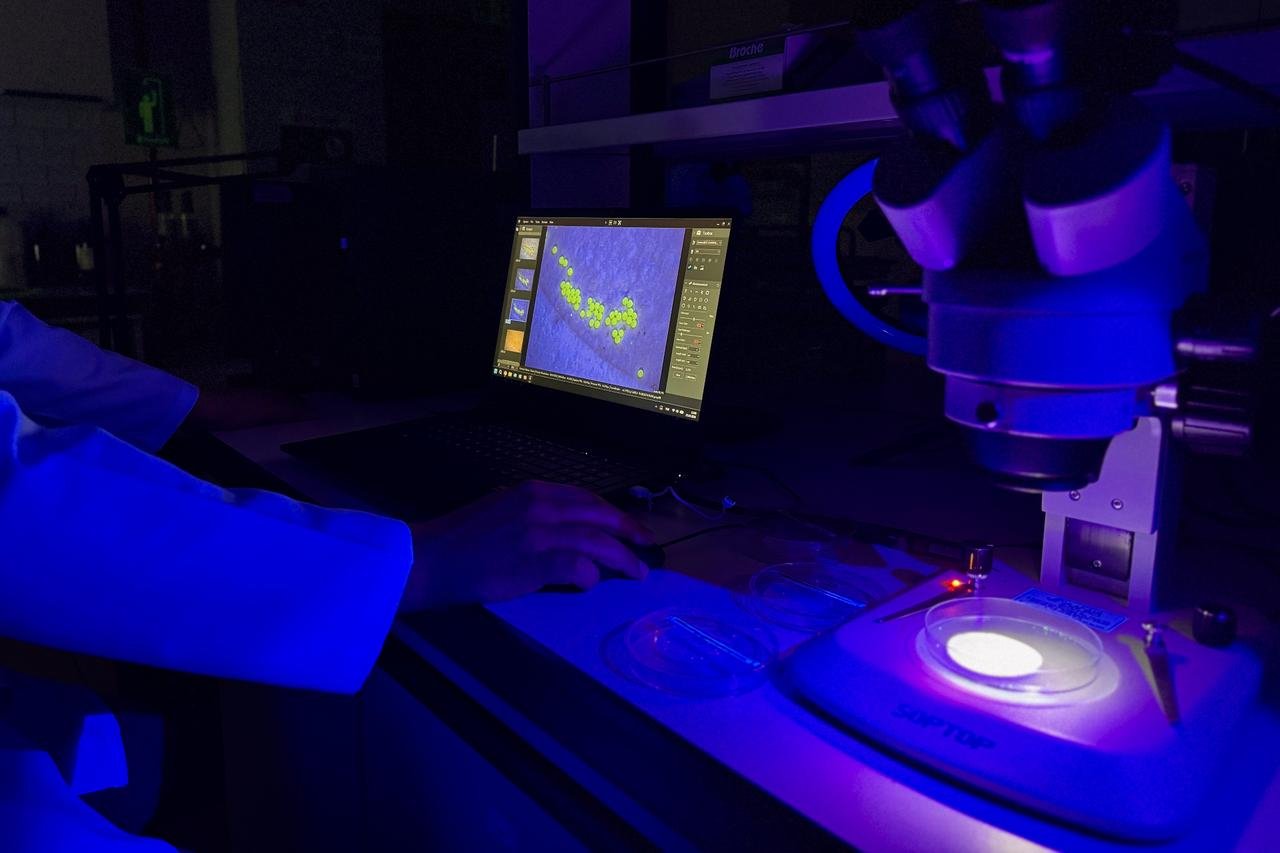
    Scientists examine microplastic particles under laboratory conditions as part of aquaculture research. (AA photo)

    April 5, 2026 03:01 AM GMT+03:00

    MMicroplastics can reduce the output of aquaculture systems by up to 18%, according to a new study by researchers at Istanbul University, warning that urgent action is needed to protect sustainable food production.

    Control model shows production losses

    The study, conducted by Professors Nuray Erkan and Gokhan Tunceli from the Faculty of Aquatic Sciences at Istanbul University, investigated how exposure to microplastics affects farmed aquatic species within a controlled production system.

    The research team modeled an integrated multitrophic aquaculture system, a method that combines different species throughout the food chain to mimic natural ecosystems and improve efficiency. In this setting, rainbow trout, freshwater mussels, and duckweed (a small floating aquatic plant) were farmed together.
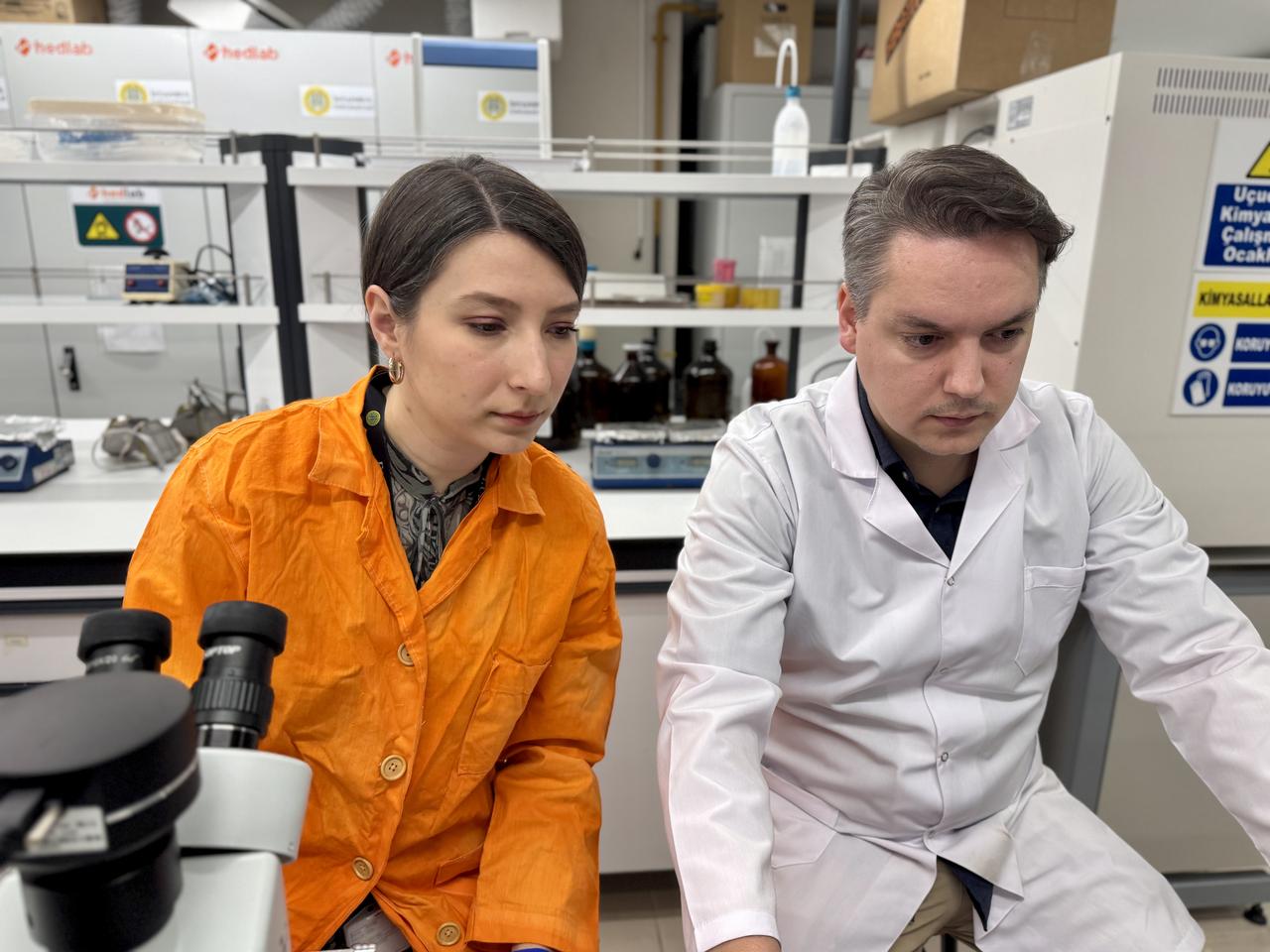
    Scientists are analyzing the impact of microplastics on aquatic production systems in the lab. (AA photo)

    Scientists are analyzing the impact of microplastics on aquatic production systems in the lab. (AA photo)

    The study, published in Aquaculture International, exposed the system to 10-20 micrometer polyethylene microplastics through feed and water for 45 days. This was followed by a 45-day purification phase to allow the organisms to remove the contaminants.

    When microplastics were present in both feed and water, the total biomass production of the system decreased by 18%. The researchers also observed that fish growth performance decreased at certain stages compared to the control group, and duckweed production decreased as well.

    Although mussels did not show a consistent decrease in filtration capacity, the overall efficiency of the system was negatively affected, indicating that microplastics can disrupt production balance, even if the impact appears to be low for some species.

    The impact spreads throughout the food chain

    The study also found that microplastics can move between species through the food chain, changing the distribution of production within the system.

    The researchers noted that after the exposure ended, the growth trends among the organisms began to converge again, but the presence of microplastics was already changing the performance and output patterns of the system.
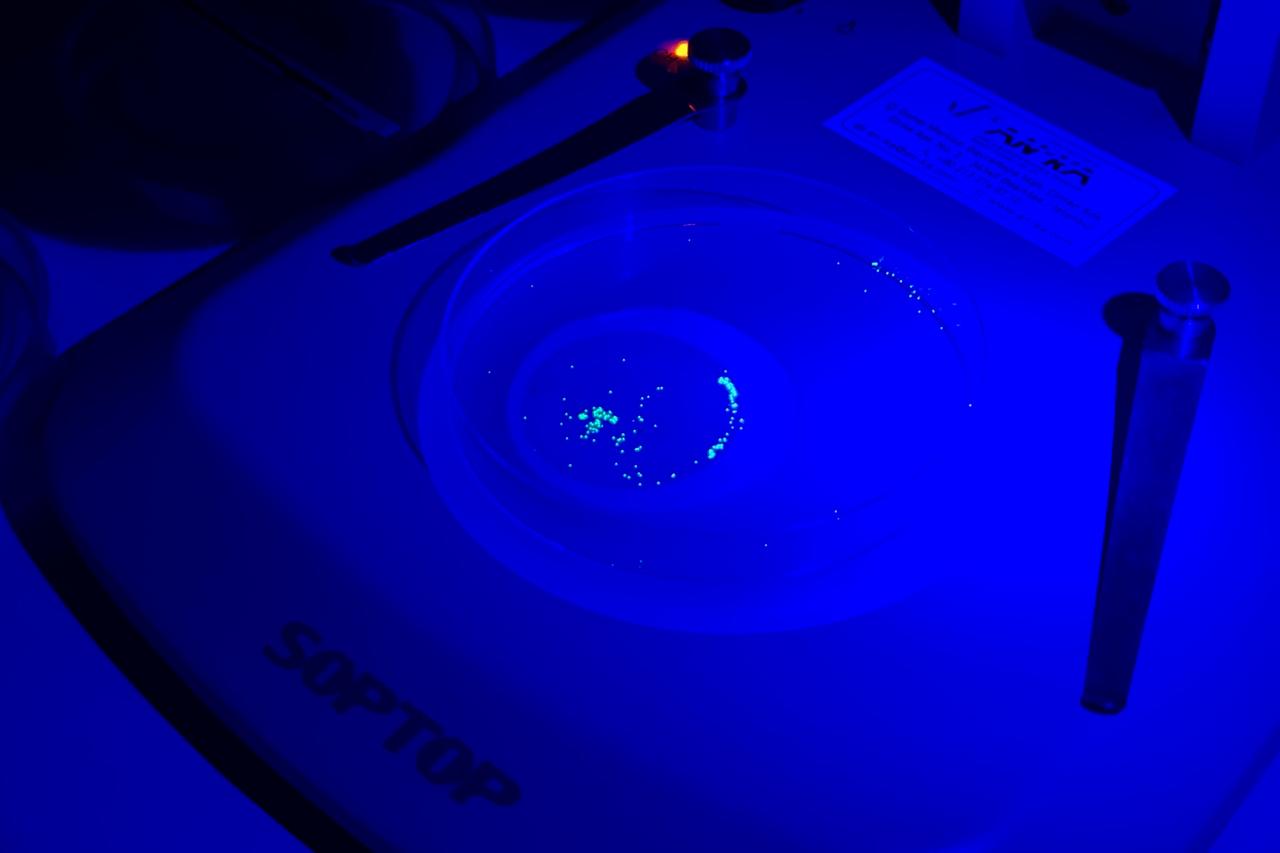
    Fluorescent microplastics are visualized under ultraviolet light in a laboratory analytical setup. (AA photo)

    Fluorescent microplastics are visualized under ultraviolet light in a laboratory analytical setup. (AA photo)

    Environmental pressures meet food security concerns

    Commenting on the findings, Professor Elkann cited increasing environmental pollution as a growing threat to aquatic food sources around the world.

    “This environmental pollution threatens our most important resource, our aquatic food sources,” she said, emphasizing that microplastics primarily occur on land and then flow into rivers, oceans and oceans.

    He added that fish and other seafood remain an essential part of the world’s food supply, which means pollution risks extend beyond ecosystems to human health.

    A model that can rebuild sustainable production

    The researchers emphasized that the integrated system was designed to reflect natural ecological cycles, allowing them to simultaneously observe how pollutants affect different trophic levels.

    Erkan said the project’s results could help open new avenues for sustainable food production, noting that the system could also contribute to water efficiency and safer production methods.
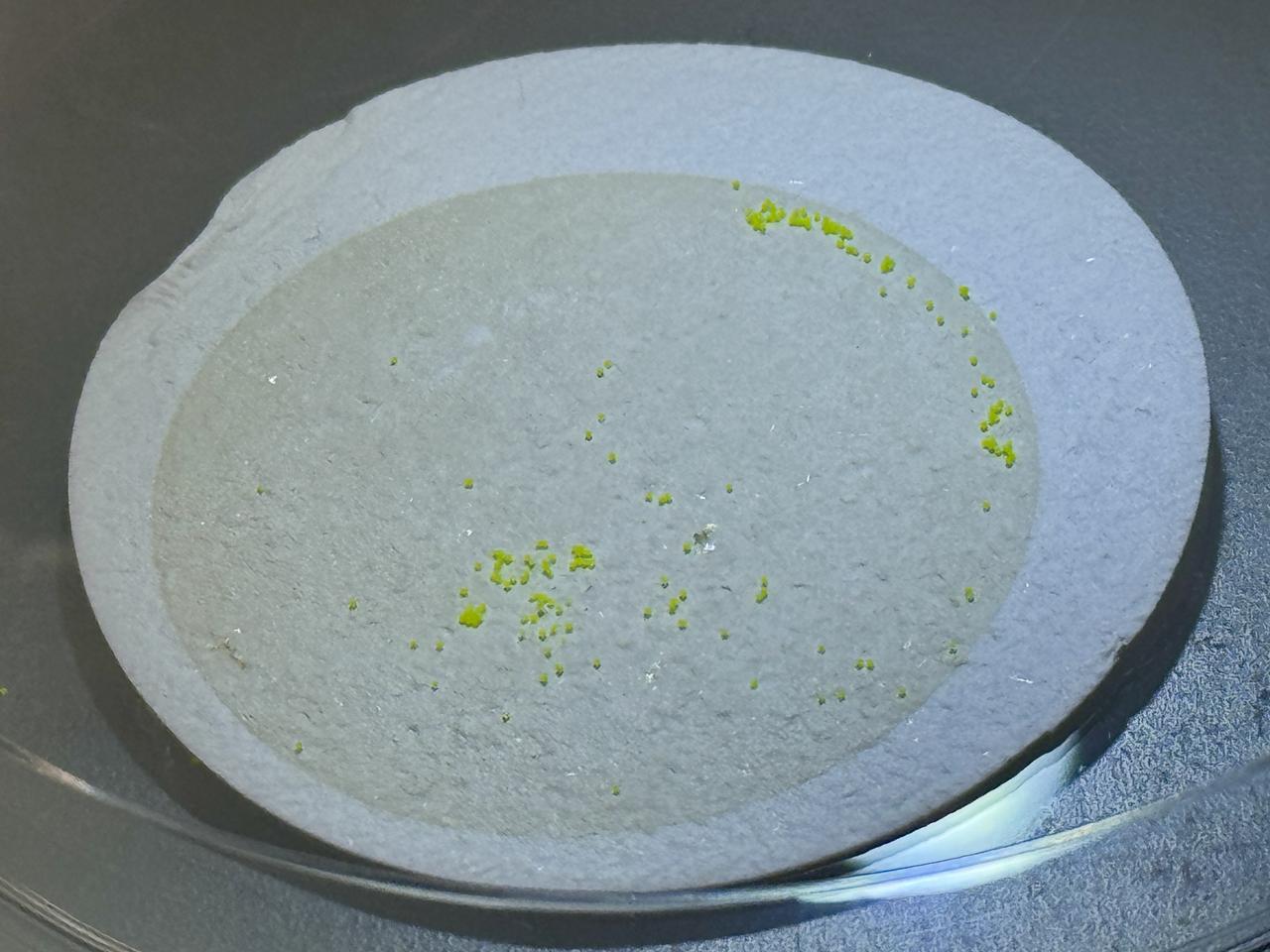
    Microplastic particles are observed on laboratory filters during controlled tests. (AA photo)

    Microplastic particles are observed on laboratory filters during controlled tests. (AA photo)

    Call for preventive measures as pollution rises

    Tuncheri stressed that microplastic pollution is on the rise and, if left unchecked, could begin to directly limit production.

    He stressed that the study initially focused on system efficiency and that the 18% loss emerged as a key finding, adding that future research will expand to include other types of plastics such as polypropylene and polystyrene.

    According to Tuncheri, preventing microplastic pollution is essential because its effects extend beyond fish to other organisms in the food chain and can disrupt growth, digestion, and ultimately the nutritional value of seafood.

    April 5, 2026 03:01 AM GMT+03:00


    Source link

    Visited 1 times, 1 visit(s) today
    Share. Facebook Twitter Pinterest LinkedIn Telegram Reddit Email
    Previous ArticleElevated testosterone levels are associated with increased suicide risk in depressed teenage boys
    Next Article Massive arctic snow melt releases carbon that has been frozen for thousands of years
    healthadmin

    Related Posts

    Faced with hotter weather and a dry Great Salt Lake, some families plan to leave Utah • Utah News-Dispatch

    April 6, 2026

    Fifty years of aviation records from Cape Grim reveal the true extent of humanity’s impact on the planet

    April 5, 2026

    People like to blame “ultra-processed foods.” It’s useless.

    April 5, 2026

    The Urgent Health Crisis: Climate Change, Pollution, and Human Impacts

    April 4, 2026

    EPA warns microplastics as ‘priority’ contaminant in drinking water

    April 3, 2026

    Why reducing deaths from air pollution is not just about reducing air pollution | Air Pollution

    April 3, 2026
    Add A Comment
    Leave A Reply Cancel Reply

    Categories

    • Daily Health Tips
    • Discover
    • Environmental Health
    • Exercise & Fitness
    • Featured
    • Featured Videos
    • Financial Health & Stability
    • Fitness
    • Fitness Updates
    • Health
    • Health Technology
    • Healthy Aging
    • Healthy Living
    • Holistic Healing
    • Holistic Health & Wellness
    • Medical Research
    • Medical Research & Insights
    • Mental Health
    • Mental Wellness
    • Natural Remedies
    • New Workouts
    • Nutrition
    • Nutrition & Dietary Trends
    • Nutrition & Superfoods
    • Nutrition Science
    • Pharma
    • Preventive Healthcare
    • Professional & Personal Growth
    • Public Health
    • Public Health & Awareness
    • Selected
    • Sleep & Recovery
    • Top Programs
    • Weight Management
    • Workouts
    Popular Posts
    • the-pros-and-cons-of-paleo-dietsThe Pros and Cons of Paleo Diets: What Science Really Says April 16, 2025
    • Improve Mental Health10 Science-Backed Practices to Improve Mental Health… March 11, 2025
    • How Healthy Living Is Transforming Modern Wellness TrendsHow Healthy Living Is Transforming Modern Wellness… December 3, 2025
    • Kankakee_expansion.jpgCSL releases details of $1.5 billion U.S.… March 10, 2026
    • urlhttps3A2F2Fcalifornia-times-brightspot.s3.amazonaws.com2Fc32Fcd2F988500d440f2a55515940909.jpegA ‘reckless’ scrapyard with a history of… October 24, 2025
    • Healthy Living: Expert Tips to Improve Your Health in 2026Healthy Living: Expert Tips to Improve Your Health in 2026 November 16, 2025

    Demo
    Stay In Touch
    • Facebook
    • Twitter
    • Pinterest
    • Instagram
    • YouTube
    • Vimeo
    Don't Miss

    The brain may not produce consciousness after all.

    By healthadminApril 7, 2026

    Is consciousness simply a product of the brain, or could it be a deeper feature…

    How gut bacteria shape heart attack damage and recovery

    April 7, 2026

    Scientists discover a hidden switch in the brain that lets you stop eating

    April 7, 2026

    Genetic research reveals relationship between caffeine intake and sleep timing

    April 6, 2026

    Subscribe to Updates

    Get the latest creative news from SmartMag about art & design.

    HealthxMagazine
    HealthxMagazine

    At HealthX Magazine, we are dedicated to empowering entrepreneurs, doctors, chiropractors, healthcare professionals, personal trainers, executives, thought leaders, and anyone striving for optimal health.

    Our Picks

    Genetic research reveals relationship between caffeine intake and sleep timing

    April 6, 2026

    Can psychological resilience prevent extreme social withdrawal?

    April 6, 2026

    New method identifies key proteins that drive harmful immune responses

    April 6, 2026
    New Comments
      Facebook X (Twitter) Instagram Pinterest
      • Home
      • Privacy Policy
      • Our Mission
      © 2026 ThemeSphere. Designed by ThemeSphere.

      Type above and press Enter to search. Press Esc to cancel.