


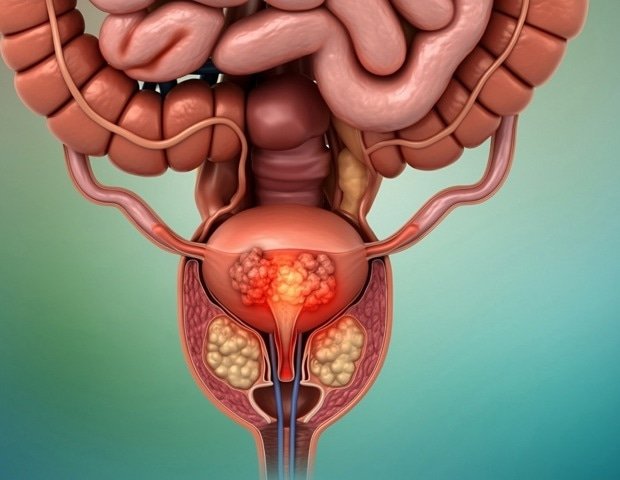
A new study finds that metformin, a widely prescribed diabetes drug, may mimic one of the core biological effects of exercise in men with prostate cancer, increasing levels of molecules associated with energy balance and weight management even when patients are inactive. The findings suggest that metformin may help counter the metabolic burden of hormone therapy, when physical activity is often limited by fatigue and other side effects.
The study, led by physician-scientists at the Sylvester Comprehensive Cancer Center, part of the University of Miami Miller School of Medicine, was published in the journal EMBO molecular medicine.
Exercise is one of the most reliable ways to support your health during cancer treatment. It helps regulate weight, blood sugar levels, and cardiovascular health factors that shape how patients feel during treatment and how well they recover after treatment.
However, for many cancer patients, regular exercise is not always achievable. Fatigue, hormone therapy, pain, or advanced illness can limit physical activity at a time when metabolic health is most important.
This reality has led researchers to ask practical questions. If exercise confers benefits through specific biological signals, could some of those signals be activated in other ways?
Research suggests the answer may be yes. Sylvester researchers report that metformin increases the levels of a natural molecule involved in energy and weight management in the body of prostate cancer patients.
This finding does not suggest that the pill replaces physical activity. Instead, it provides insight into the internal pathways underlying the metabolic benefits of exercise and how those pathways are engaged when movement is restricted.
This work reflects what is possible when experimental science, metabolic biology, and clinical research are intentionally combined for interdisciplinary research. Working across Sylvester’s tumor biology, cancer epigenetics, and translational and clinical oncology programs, we have been able to connect well-defined molecular signals to real-world patient data. Although the results are not new cancer biomarkers, they provide a clearer understanding of how a widely used drug supports metabolic health during prostate cancer treatment, an important outcome for both patients and clinicians. ”
Marijo Bilsic, MD, Sylvester Researcher, First Author, Urological Oncologist, Professor of Medicine and Oncology, Miller School
At the heart of the collaborative team science research is a molecule called N-lactoyl-phenylalanine (Lac-Phe). Although the name is technical, its role is relatively simple.
Lac‑Phe is produced when the body is under metabolic demand. It is formed when lactic acid, a substance that accumulates during exercise, combines with phenylalanine, a basic building block of proteins. Scientists first focused on Lac-Phe because its levels spike after intense exercise, coinciding with changes in energy use and appetite regulation.
In preclinical and early human studies, increased Lac-Phe levels are associated with decreased appetite and improved weight management, two effects commonly associated with regular physical activity.
Lac-Phe does not increase with exercise alone. Scientists observed increased Lac-Phe‑levels in people taking metformin, even in the absence of physical activity. This overlap has raised important questions in cancer treatment. Could pathways normally associated with movement be activated pharmacologically in patients whose movement is limited by treatment?
To explore this question, the Sylvester team focused on prostate cancer. In prostate cancer, hormone-based treatments are known to interfere with metabolism, contributing to weight gain and increased insulin levels. Resistance and cardiovascular risk.
Of note, Lac-Phe levels in metformin-treated patients approximated levels previously reported after intense exercise. This occurred even if the patients were not exercising at the time the blood was drawn, and the effect persisted even after hormone therapy was started.
“From a clinical perspective, it was shocking to see metabolic signals that mirrored what we associate with intense exercise,” Bilsich said. “Such effects could be particularly meaningful for patients whose physical activity is limited by treatment or symptoms.”
Higher Lac-Phe levels were not associated with antitumor response to metformin. This metabolite did not correlate with changes in prostate-specific antigen (PSA), a standard marker used to monitor prostate cancer.
This distinction is central to the interpretation of this study. Although further extended studies are needed to determine the utility of Lac-Phe as a marker of anticancer efficacy, it appears to reflect how the body manages energy, weight, and metabolic burden during treatment. These results were confirmed to ensure that the findings were not limited to one clinical setting. Indeed, increases have also been observed in patients receiving other metabolic therapies, suggesting that Lac-Phe may reflect a broader metabolic response rather than a drug-specific effect.
“Cancer treatments often affect the body beyond the tumor,” said Dr. Priyamvada Rai, Sylvester investigator, co-leader of the Tumor Biology Program, and professor of radiation oncology at the Miller School. “Supporting metabolic health, even if it does not directly change tumor growth, can influence how patients tolerate treatment and how they feel over time. This study was an opportunity to investigate molecular pathways that can be activated therapeutically for better outcomes of treatments that induce metabolic stress.”
Metformin increases a stress hormone called GDF‑15, but this study found that Lac‑Phe was more closely associated with weight change. Since the two were not elevated at the same time, metformin may affect body weight through multiple pathways, with Lac‑Phe playing a larger role.
“Metabolism is involved in every activity of the cell,” said David B. Lombardo, MD, a Sylvester researcher, co-leader of the Cancer Epigenetics Program, and professor of pathology and laboratory medicine in the Miller School. “These findings suggest that Lac-Phe may be a very useful signal in understanding how metformin affects metabolism in prostate cancer patients.”
Taken together, the findings provide a clearer picture of how widely used antidiabetic drugs may impact metabolic health during prostate cancer treatment.
“What is encouraging about this study is that it is a reminder that cancer treatment is not just about targeting the tumor, but also about supporting the whole patient,” Lai said. “By better understanding how treatments affect metabolism, we can begin to identify ways to help patients maintain strength, resilience, and quality of life throughout their treatment.”
sauce:
University of Miami Miller School of Medicine
Reference magazines:
Birsic, M. others. (2026). Lac-Phe, an anti-obesity metabolite, is elevated by metformin treatment in prostate cancer patients. EMBO Molecular Medicine. DOI: 10.1038/s44321-026-00408-6. https://link.springer.com/article/10.1038/s44321-026-00408-6
