

Close Menu

    Subscribe to Updates

    Get the latest creative news from FooBar about art, design and business.

    What's Hot

    Genetic research reveals relationship between caffeine intake and sleep timing

    April 6, 2026

    Can psychological resilience prevent extreme social withdrawal?

    April 6, 2026

    New method identifies key proteins that drive harmful immune responses

    April 6, 2026
    Facebook X (Twitter) Instagram
    Facebook X (Twitter) Instagram
    Health Magazine
    • Home
    • Environmental Health
    • Health Technology
    • Medical Research
    • Mental Health
    • Nutrition Science
    • Pharma
    • Public Health
    • Discover
      • Daily Health Tips
      • Financial Health & Stability
      • Holistic Health & Wellness
      • Mental Health
      • Nutrition & Dietary Trends
      • Professional & Personal Growth
    • Our Mission
    Health Magazine
    Home » News » Scientists discover hidden brain cells that help deadly cancer grow
    Nutrition Science

    Scientists discover hidden brain cells that help deadly cancer grow

    healthadminBy healthadminApril 6, 2026No Comments3 Mins Read
    Scientists discover hidden brain cells that help deadly cancer grow
    Share
    Facebook Twitter Reddit Telegram Pinterest Email


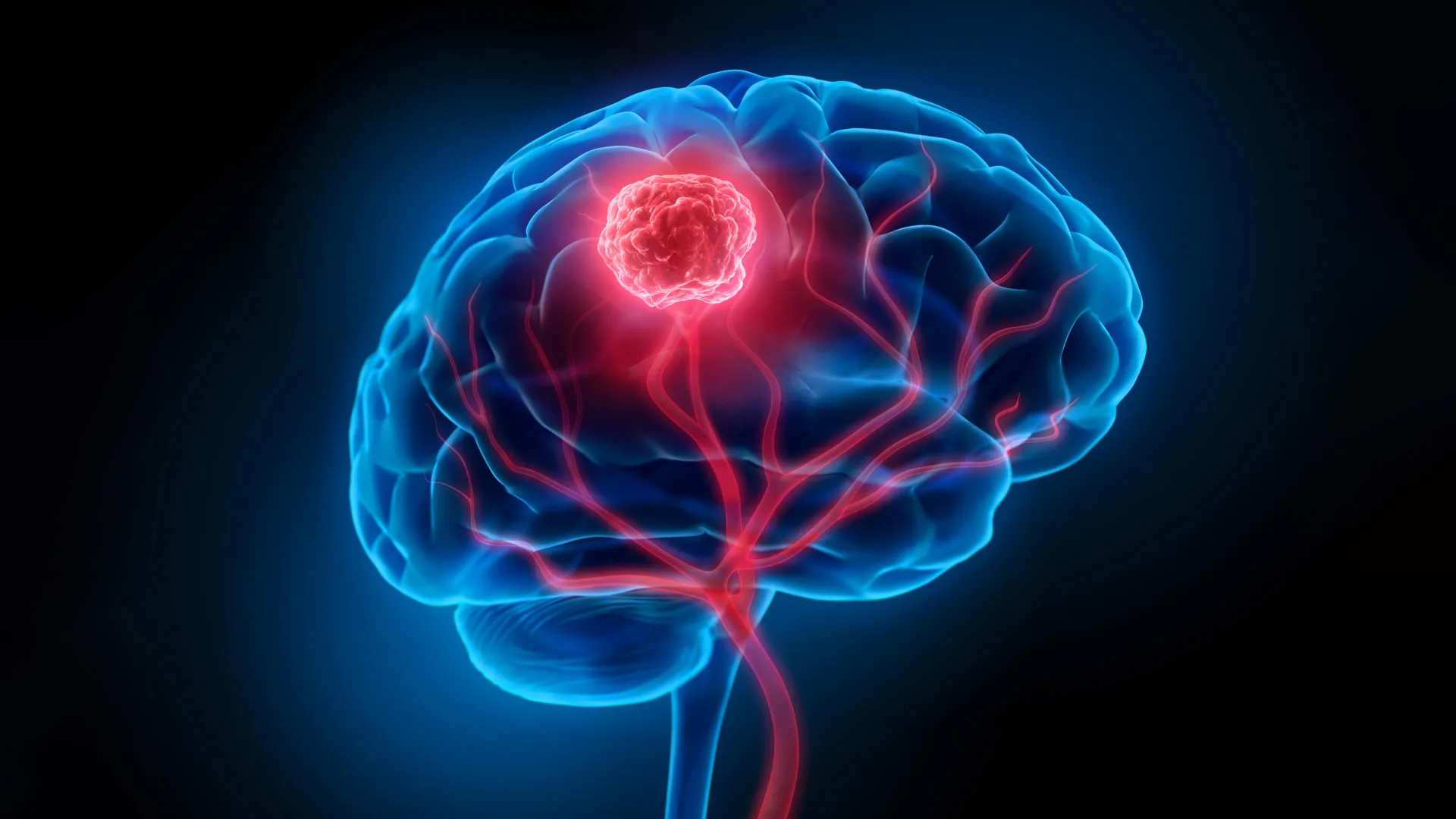
    A Canadian research team has identified a new way to slow the growth of glioblastoma, the most aggressive and currently untreatable type of brain tumor, and also pointed to existing drugs that could be used to treat it.

    The study revealed that some brain cells previously thought to only support normal nerve function may actually help glioblastomas grow and spread. These cells send signals that strengthen tumor cells. When scientists blocked this communication in a laboratory model, tumor growth was significantly reduced.

    This finding also highlights potential therapeutic opportunities. Researchers have found that drugs already used to treat HIV may be able to interfere with this process, potentially providing a new option for patients who currently have very limited treatment options. The outlook for glioblastoma is poor, with survival often lasting several months.

    Research content and research team

    The study, published in Neuron, was conducted by scientists at McMaster University and the Hospital for Sick Children (SickKids). Co-lead authors are Kui Zai, a research scientist in McMaster’s Shin lab, and Nick Mikolasiewicz, who was a postdoctoral fellow in Sick Kids’ Moffat lab during the study.

    “Glioblastoma is not just a bunch of cancer cells, it’s an ecosystem,” says Sheila Singh, co-senior author of the study and professor of surgery at McMaster University. “By deciphering how these cells communicate with each other, we discovered vulnerabilities that could be targeted by drugs already on the market,” added Singh, who is also director of McMaster’s Center for Cancer Research and Discovery.

    Oligodendrocytes and tumor communication

    Scientists have long known that glioblastomas rely on networks of interacting cells to grow. Interrupting these connections can slow the progression of the disease. The study focused on identifying which specific brain cells were involved.

    The researchers found that oligodendrocytes, which normally protect nerve fibers, can change their behavior and start supporting tumor growth. These cells communicate with cancer cells through defined signaling systems, creating conditions that help tumors survive and spread. When this signaling is blocked in laboratory models, tumor growth is significantly slowed, demonstrating how important this interaction is.

    Existing HIV drugs offer new hope

    A key part of this signaling process involves a receptor called CCR5. This receptor is already the target of an HIV drug known as maraviroc. Because the drug is already approved and widely used, it could be repurposed more quickly to treat glioblastoma.

    “The cellular ecosystem within glioblastoma is much more dynamic than previously understood. By uncovering a key part of the cancer’s biology, we have also identified potential therapeutic targets that can be addressed with existing drugs. This discovery suggests that blocking this pathway “This opens up a promising avenue to explore whether we can accelerate progress toward new treatment options for patients,” said study co-author and senior scientist Jason Moffat, head of SickKids’ genetics and genome biology program.

    Building on previous discoveries

    These findings build on previous research by Singh and Moffat, published in Nature Medicine in 2024, which showed that cancer cells can spread using pathways normally used during brain development. Together, these studies point to a new direction in glioblastoma research that focuses on disrupting the communication systems that tumors rely on.

    This research was supported by a 2020 William Donald Nash Brain Tumor Research Fellowship and the Canadian Institutes of Health Research. Singh holds the Canadian Tier 1 Research Chair in Human Cancer Stem Cell Biology, and Moffat holds the GlaxoSmithKline Chair in Genetics and Genome Biology at Children’s Hospital.


    Source link

    Visited 1 times, 1 visit(s) today
    Share. Facebook Twitter Pinterest LinkedIn Telegram Reddit Email
    Previous ArticleStudying 1,700 languages ​​reveals surprising hidden patterns
    Next Article AI breakthrough reduces energy usage by 100x while improving accuracy
    healthadmin

    Related Posts

    Scientists may have discovered a way to keep bones strong for life

    April 6, 2026

    Scientists may finally discover hidden ripples in space and time

    April 6, 2026

    These strange new tarantulas turn mating into a fight for survival

    April 6, 2026

    Drugs already in clinical trials may finally stop hepatitis E

    April 6, 2026

    Scientists have discovered that quantum computers forget most of their work

    April 6, 2026

    This simple design could save oyster reefs around the world

    April 6, 2026
    Add A Comment
    Leave A Reply Cancel Reply

    Categories

    • Daily Health Tips
    • Discover
    • Environmental Health
    • Exercise & Fitness
    • Featured
    • Featured Videos
    • Financial Health & Stability
    • Fitness
    • Fitness Updates
    • Health
    • Health Technology
    • Healthy Aging
    • Healthy Living
    • Holistic Healing
    • Holistic Health & Wellness
    • Medical Research
    • Medical Research & Insights
    • Mental Health
    • Mental Wellness
    • Natural Remedies
    • New Workouts
    • Nutrition
    • Nutrition & Dietary Trends
    • Nutrition & Superfoods
    • Nutrition Science
    • Pharma
    • Preventive Healthcare
    • Professional & Personal Growth
    • Public Health
    • Public Health & Awareness
    • Selected
    • Sleep & Recovery
    • Top Programs
    • Weight Management
    • Workouts
    Popular Posts
    • the-pros-and-cons-of-paleo-dietsThe Pros and Cons of Paleo Diets: What Science Really Says April 16, 2025
    • Improve Mental Health10 Science-Backed Practices to Improve Mental Health… March 11, 2025
    • How Healthy Living Is Transforming Modern Wellness TrendsHow Healthy Living Is Transforming Modern Wellness… December 3, 2025
    • Kankakee_expansion.jpgCSL releases details of $1.5 billion U.S.… March 10, 2026
    • urlhttps3A2F2Fcalifornia-times-brightspot.s3.amazonaws.com2Fc32Fcd2F988500d440f2a55515940909.jpegA ‘reckless’ scrapyard with a history of… October 24, 2025
    • Healthy Living: Expert Tips to Improve Your Health in 2026Healthy Living: Expert Tips to Improve Your Health in 2026 November 16, 2025

    Demo
    Stay In Touch
    • Facebook
    • Twitter
    • Pinterest
    • Instagram
    • YouTube
    • Vimeo
    Don't Miss

    Genetic research reveals relationship between caffeine intake and sleep timing

    By healthadminApril 6, 2026

    Although drinking coffee or tea directly improves daytime alertness, it does not appear to inherently…

    Can psychological resilience prevent extreme social withdrawal?

    April 6, 2026

    New method identifies key proteins that drive harmful immune responses

    April 6, 2026

    Mayo Clinic researchers develop experimental nanotherapy to treat aggressive brain cancer

    April 6, 2026

    Subscribe to Updates

    Get the latest creative news from SmartMag about art & design.

    HealthxMagazine
    HealthxMagazine

    At HealthX Magazine, we are dedicated to empowering entrepreneurs, doctors, chiropractors, healthcare professionals, personal trainers, executives, thought leaders, and anyone striving for optimal health.

    Our Picks

    Mayo Clinic researchers develop experimental nanotherapy to treat aggressive brain cancer

    April 6, 2026

    Large-scale exposome study shows how multiple factors influence disease risk

    April 6, 2026

    Amgen’s systemic injectable version of Tepezza can be measured up to IV.

    April 6, 2026
    New Comments
      Facebook X (Twitter) Instagram Pinterest
      • Home
      • Privacy Policy
      • Our Mission
      © 2026 ThemeSphere. Designed by ThemeSphere.

      Type above and press Enter to search. Press Esc to cancel.