

Close Menu

    Subscribe to Updates

    Get the latest creative news from FooBar about art, design and business.

    What's Hot

    Navigating the 2026 Medical Research Landscape: Key Challenges and Opportunities for Clinical Researchers

    April 1, 2026

    Millions of people start work too early. This drug helps them wake up

    April 1, 2026

    Better parent-child communication leads to stronger soft skills and emotional stability in teens.

    April 1, 2026
    Facebook X (Twitter) Instagram
    Facebook X (Twitter) Instagram
    Health Magazine
    • Home
    • Environmental Health
    • Health Technology
    • Medical Research
    • Mental Health
    • Nutrition Science
    • Pharma
    • Public Health
    • Discover
      • Daily Health Tips
      • Financial Health & Stability
      • Holistic Health & Wellness
      • Mental Health
      • Nutrition & Dietary Trends
      • Professional & Personal Growth
    • Our Mission
    Health Magazine
    Home » News » Scientists have discovered a DNA ‘supergene’ that accelerates evolution
    Nutrition Science

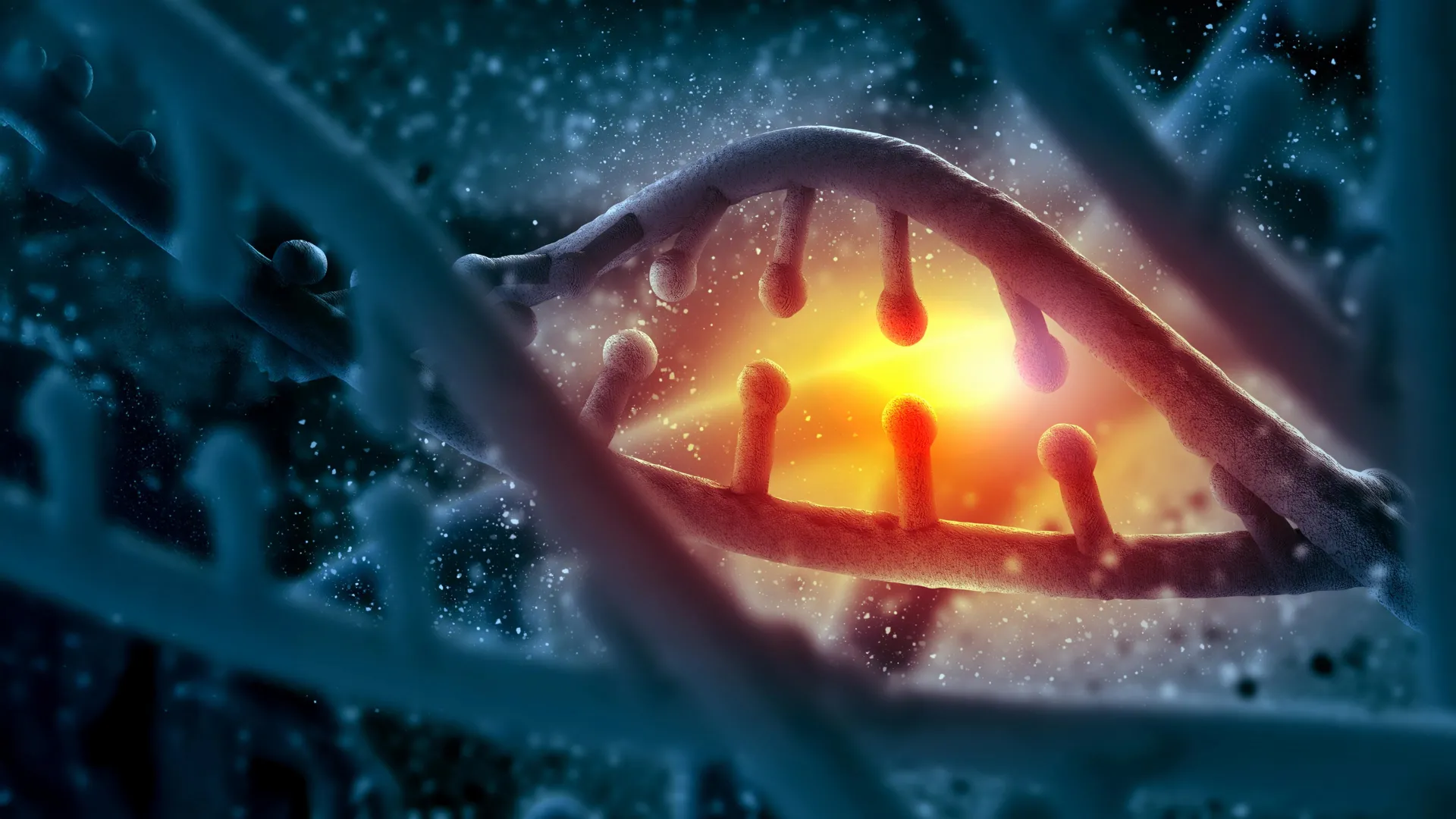
    Scientists have discovered a DNA ‘supergene’ that accelerates evolution

    healthadminBy healthadminApril 1, 2026No Comments4 Mins Read
    Scientists have discovered a DNA ‘supergene’ that accelerates evolution
    Share
    Facebook Twitter Reddit Telegram Pinterest Email


    Researchers have discovered a powerful genetic mechanism that may help explain how some species evolve at surprising rates. Certain parts of the DNA, known as “flipping” segments, appear to help fish quickly adapt to new environments or split into entirely new species. These genetic traits act like evolutionary accelerators, conserving useful traits and accelerating change.

    One of biology’s biggest questions is how Earth came to be home to such a wide range of plants and animals. The cichlids of Lake Malawi, located in East Africa, are a notable example. In this single lake, more than 800 species emerged from a common ancestor in a much shorter period of time than it took humans and chimpanzees to diverge.

    What’s even more remarkable is that all of this diversification occurred within the same body of water. Some cichlids evolved to be predators, while others specialized in eating algae, sifting sand, and eating plankton. Each species has established its own ecological role while coexisting.

    Scientists from the University of Cambridge and the University of Antwerp set out to understand how this rapid evolution was possible. Their findings were published in the magazine science.

    Discovery of inverted DNA segments

    Researchers analyzed the DNA of more than 1,300 cichlids for their study. They were looking for genetic traits that could explain the unusual pace of evolution.

    “We found that in some species, large chunks of DNA on five chromosomes are inverted, a type of mutation called a chromosomal inversion,” said lead author Hennes Svardal from the University of Antwerp.

    Under normal conditions, reproduction involves recombination, a process in which DNA from both parents is mixed. However, within these inversion regions, this mixing is blocked. As a result, groups of genes remain connected and passed intact from generation to generation. This preserves already beneficial combinations of traits and allows evolution to proceed more efficiently.

    “This is like a toolbox with all the most useful tools packed together, storing good genetic combinations that help fish adapt to different environments,” said lead author Moritz Blumer from the Cambridge Department of Genetics.

    “Supergenes” and rapid adaptation

    These linked gene clusters are often called “supergenes.” In cichlids, it appears to play a major role in shaping species differences. Although different species can still interbreed, these inversions limit the amount of DNA mixing and help maintain different traits.

    This is especially important in areas where species overlap, such as the open sands of lakes where there are no clear physical boundaries separating habitats.

    Many of the genes within these supergenes influence traits essential for survival and reproduction, such as vision, hearing, and behavior. For example, fish that live in deep water (200 meters deep) have to deal with lower light, higher pressure, and different food sources compared to fish closer to the surface. Those supergenes help maintain the specific adaptations needed for those conditions.

    “When different cichlid species interbreed, complete inversions are passed on between them, resulting in important survival traits such as adaptation to specific environments and accelerating the evolutionary process,” Bloomer said.

    A broader role in evolution

    Chromosomal inversions do more than just preserve beneficial traits. They also function as sex chromosomes and can influence whether an individual develops as a man or a woman. Sex determination plays a role in the formation of species, adding a new layer to our understanding of evolution.

    “Although our study focused on cichlids, chromosomal inversions are not unique to cichlids,” said co-senior author Professor Richard Durbin, from the University of Cambridge’s Department of Genetics. “They are also found in many other animals, including humans, and are increasingly considered to be important components of evolution and biodiversity.”

    Researchers believe these discoveries could help answer long-standing questions about how life can diversify so rapidly under the right conditions.

    “We have been studying the process of speciation for a long time,” Svardal said. “By understanding how these supergenes evolve and spread, we are moving closer to answering one of science’s great questions: How does life on Earth become so rich and diverse?”


    Source link

    Visited 1 times, 1 visit(s) today
    Share. Facebook Twitter Pinterest LinkedIn Telegram Reddit Email
    Previous ArticleChanges in the gut microbiome improve memory in early cognitive decline
    Next Article Reusable antibacterial masks emit harmful metals during washing
    healthadmin

    Related Posts

    Millions of people start work too early. This drug helps them wake up

    April 1, 2026

    Scientists open up 40-year-old salmon and discover surprising signs of ocean recovery

    April 1, 2026

    NASA samples from asteroid Bennu reveal hidden chemical patchwork

    April 1, 2026

    Scientists turn MXene into tiny nanoscrolls that supercharge batteries and sensors

    April 1, 2026

    How squids survived Earth’s biggest extinction and took over the oceans

    April 1, 2026

    Your DNA is always in motion – that may explain cancer

    March 31, 2026
    Add A Comment
    Leave A Reply Cancel Reply

    Categories

    • Daily Health Tips
    • Discover
    • Environmental Health
    • Exercise & Fitness
    • Featured
    • Featured Videos
    • Financial Health & Stability
    • Fitness
    • Fitness Updates
    • Health
    • Health Technology
    • Healthy Aging
    • Healthy Living
    • Holistic Healing
    • Holistic Health & Wellness
    • Medical Research
    • Medical Research & Insights
    • Mental Health
    • Mental Wellness
    • Natural Remedies
    • New Workouts
    • Nutrition
    • Nutrition & Dietary Trends
    • Nutrition & Superfoods
    • Nutrition Science
    • Pharma
    • Preventive Healthcare
    • Professional & Personal Growth
    • Public Health
    • Public Health & Awareness
    • Selected
    • Sleep & Recovery
    • Top Programs
    • Weight Management
    • Workouts
    Popular Posts
    • the-pros-and-cons-of-paleo-dietsThe Pros and Cons of Paleo Diets: What Science Really Says April 16, 2025
    • Improve Mental Health10 Science-Backed Practices to Improve Mental Health… March 11, 2025
    • How Healthy Living Is Transforming Modern Wellness TrendsHow Healthy Living Is Transforming Modern Wellness… December 3, 2025
    • Healthy Living: Expert Tips to Improve Your Health in 2026Healthy Living: Expert Tips to Improve Your Health in 2026 November 16, 2025
    • "The Best Daily Health Apps to Track Your Wellness Goals"The Best Daily Health Apps to Track Your Wellness… August 15, 2025
    • daily vitamin D needsWhy Sunlight Is Crucial for Your Daily Vitamin D Needs June 12, 2025

    Demo
    Stay In Touch
    • Facebook
    • Twitter
    • Pinterest
    • Instagram
    • YouTube
    • Vimeo
    Don't Miss

    Navigating the 2026 Medical Research Landscape: Key Challenges and Opportunities for Clinical Researchers

    By healthadminApril 1, 2026

    Clinical researchers face accelerating innovation in 2026 clinical trials. Explore pivotal trials in oncology, cardio, AI trends, and decentralized methodologies shaping medical science.

    Millions of people start work too early. This drug helps them wake up

    April 1, 2026

    Better parent-child communication leads to stronger soft skills and emotional stability in teens.

    April 1, 2026

    SCOTUS rules against conversion therapy ban: Morning rounds

    April 1, 2026

    Subscribe to Updates

    Get the latest creative news from SmartMag about art & design.

    HealthxMagazine
    HealthxMagazine

    At HealthX Magazine, we are dedicated to empowering entrepreneurs, doctors, chiropractors, healthcare professionals, personal trainers, executives, thought leaders, and anyone striving for optimal health.

    Our Picks

    SCOTUS rules against conversion therapy ban: Morning rounds

    April 1, 2026

    Scientists open up 40-year-old salmon and discover surprising signs of ocean recovery

    April 1, 2026

    Men who prefer the tradie wife lifestyle often look at women who participate in the tradie lifestyle with derision.

    April 1, 2026
    New Comments
      Facebook X (Twitter) Instagram Pinterest
      • Home
      • Privacy Policy
      • Our Mission
      © 2026 ThemeSphere. Designed by ThemeSphere.

      Type above and press Enter to search. Press Esc to cancel.