


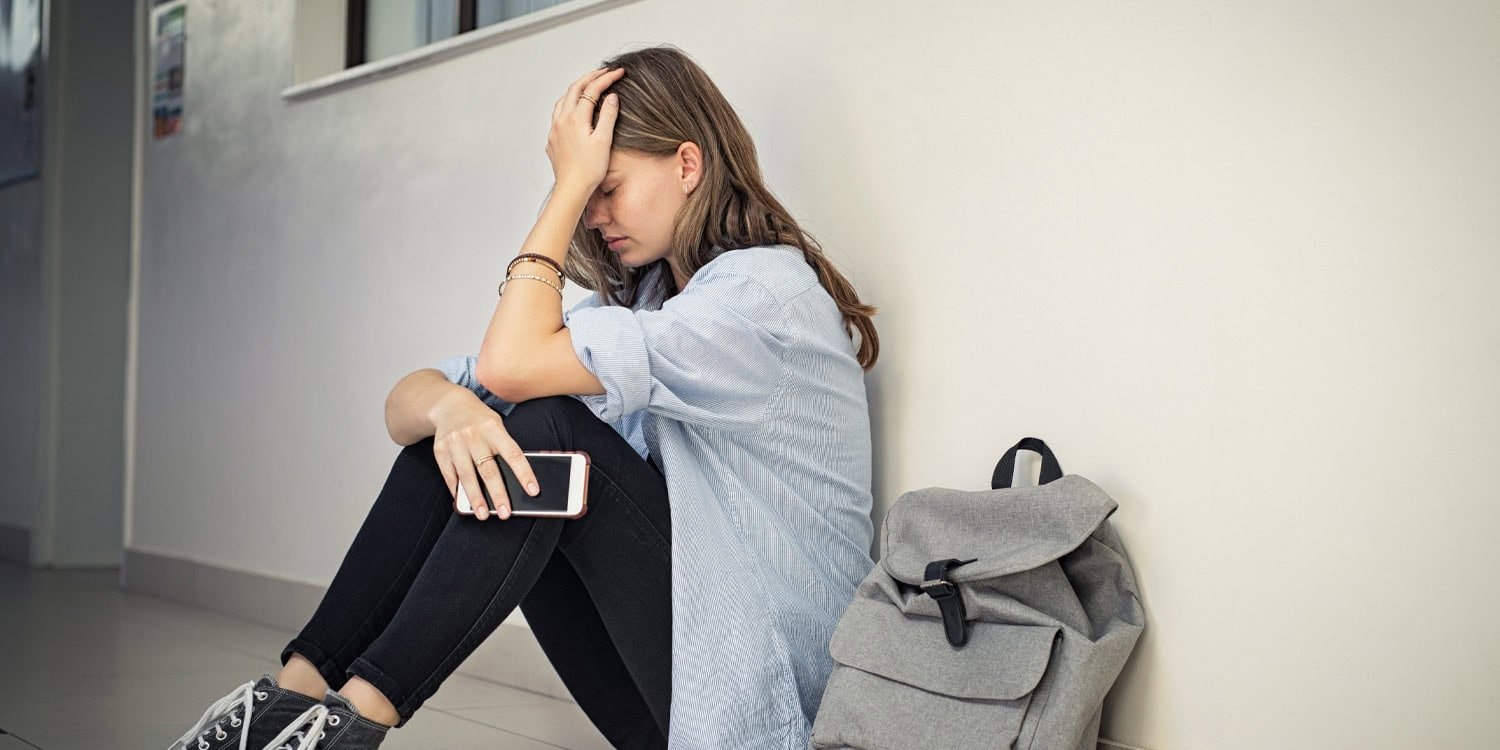
Over the past two decades, psychological distress has increased among teenagers, especially adolescent girls, around the world. Recent research published in Journal of Child Psychology and Psychiatry Paradoxically, countries with higher levels of gender equality are found to have wider disparities in mental health between boys and girls. Researchers link this widening gap to the double burden of increased academic pressure and expectations placed on young women.
Adolescence is a sensitive period of brain development and social growth. Mental health problems that begin during these formative years often continue into adulthood. Around the world, mental health indicators among teenagers have continued to decline since the early 2000s. Girls tend to report higher rates of what psychologists call internalizing symptoms. These include subjective experiences such as intense sadness, irritability, irritability, and sleep disturbances.
The difference in the prevalence of symptoms between boys and girls is known as the gender gap in mental health. Sociologists and public health experts have sought to understand why the magnitude of this disparity varies so much from country to country. Cultural background plays a large role in how adolescents experience stress. National policies and social attitudes create an environment in which teenagers form their identities and measure their worth.
Some theories proposed that greater national gender equality would protect girls. In this view, an egalitarian society reduces discrimination, relaxes restrictive gender norms, and leads to improved well-being for young women. Other theoretical frameworks have suggested that living in a progressive society can unintentionally create exhausting double expectations. In this scenario, female students are under pressure to excel academically and professionally while facing traditional demands regarding emotional availability and appearance.
Lead researcher Margriet E. de Roos of Utrecht University in the Netherlands and her colleagues wanted to investigate these competing ideas. The research team included academics from across Europe, Canada, and Israel. They sought to determine whether mental health disparities widen faster in more equal societies over time. They also wanted to know whether changes in certain stressors from day to day could explain the worsening trends.
To answer these questions, the research team analyzed data from a large international survey called the School-Age Children’s Health Behavior Study. The initiative includes responses from more than 1.2 million youth ages 11 to 15 in 43 countries. The study was conducted in classrooms every four years from 2002 to 2022. The researchers measured how often students experienced symptoms of distress over a six-month period.
The research team combined student survey results with the United Nations’ gender inequality index. The index ranks countries based on factors such as reproductive health, women’s empowerment and labor market participation. The researchers took national wealth into account to ensure that economic differences did not skew the results. They also tracked students’ self-reported feelings about academic pressure, body dissatisfaction, and support from classmates.
Survey data showed that psychiatric symptoms have increased in both boys and girls around the world over the past 20 years. However, in countries with greater gender equality, the gender gap in mental health widened more rapidly. In 2002, girls in more equal countries reported lower levels of symptoms than girls in less equal countries. By 2022, that advantage has completely disappeared.
To understand why this change occurred, researchers looked at the specific educational and social pressures students faced. They found that in countries with strong gender equality, academic pressure on girls increased at a much higher rate. Boys also reported an increase in academic stress, but the increase for boys was less pronounced. Over the same 20-year period, female students in highly egalitarian countries experienced a steeper decline in their sense of social support from classmates.
Researchers suggest that a sharp increase in academic pressure on adolescent girls partly explains the widening disparity in psychological symptoms. In the early 2000s, young women may have benefited from the increased optimism and opportunity that came with structural gender equality. Over time, the initial momentum can give way to the reality of intense competition and perfectionism. Girls today may feel overwhelming pressure to succeed and not fail in all areas of life.
The link between gender equality and girls’ worse mental health does not mean that progressive policies are harmful. The authors emphasize that the results highlight the possibility that societies have only partially achieved equality. Young women still embrace traditional ideals while meeting modern academic demands. Today’s youth are acutely aware of the discrimination that women still face, which may contribute to their frustration with the slow pace of cultural change.
Another potential explanation involves broader social trends that parallel the movement for equality. From 2002 to 2022, many progressive countries became increasingly competitive and individualistic. Digital media usage also skyrocketed during this period. In environments where individual academic and occupational accomplishments are valued over the well-being of the community, adolescents may increasingly feel responsible for their own failures.
The study relied on observational data, meaning the researchers cannot prove that gender equality has a direct impact on mental health outcomes. Social changes associated with gender equality in wealthy countries may be acting as a hidden variable. For example, countries that rank highly on gender equality may also have a greater cultural emphasis on individual meritocracy. Due to limited data available in all representative countries, researchers were unable to directly measure these factors.
The scope of the study included several other limitations. This study’s measure of body dissatisfaction was limited to feelings about being overweight or underweight. This narrow definition may not capture concerns about muscular diets that are becoming increasingly prominent among adolescent boys. Data collection also relied on a basic dichotomous measure of gender. This approach does not reflect the experiences of gender nonconforming youth or youth whose gender identity differs from the sex assigned at birth.
Demographic data also did not include variables related to race or ethnicity. Minority status is closely related to psychological well-being, especially given the severe social and health challenges of recent pandemic years. Incorporating more diverse demographic information could provide a clearer picture of who suffers most under these social pressures.
Future research should examine how contemporary cultural pressures impact specific communities. By identifying the exact sources of stress in young women, policy makers and school administrators may be able to design better support systems for youth well-being. The findings suggest that true gender equality requires a culture where the burdens and expectations of daily life are truly shared. Providing equal opportunities in education and the workplace is just the first step to protecting young minds.
The study, “Exploring the mechanisms behind increasing gender differences in adolescent psychological symptoms, 2002-2022: The role of national gender equality,” was authored by Margriet E. de Ruth, Alina Cosma, Frank J. Elgar, Karen Shrivers, Joe Inchley, Sophie D. Walsh, and Gonneke WJM Stevens.
