


Humans tend to prefer the very same mating calls that female frogs, birds, and insects find most attractive among their species. This overlap in auditory taste suggests that humans and other animals process sound using similar sensory properties shaped by millions of years of evolution. The results of this study were recently published in the journal science.
In nature, male animals use a variety of signals to attract mates. These signals range from the bright colors of a butterfly’s wings to the delicate chirps of a bird. Female animals receive these signals and clearly prefer certain traits over others. Females may choose mates based on the depth of their calls or the addition of acoustic flair.
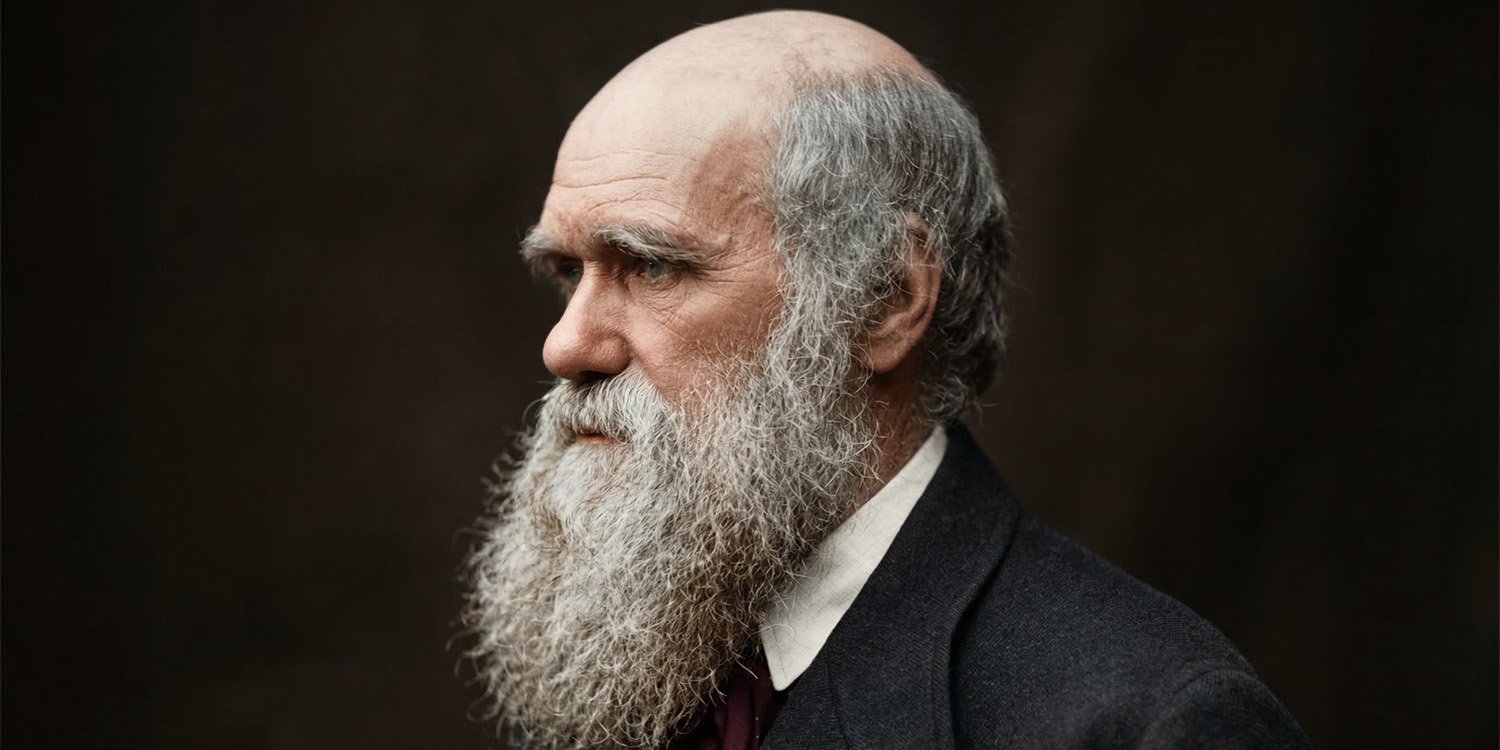
These choices often result from how the animal’s nervous system is wired. Certain sounds provide greater stimulation to the auditory system and naturally become more appealing to the listener. Many species share similar nervous system structures, so sounds that stimulate frogs may also stimulate humans. Charles Darwin initially doubted this common perception and proposed that humans and animals had similar aesthetic preferences.
A team of biologists and psychologists wanted to test Darwin’s century-old hypothesis using the latest data. Logan S. James, a biologist at the University of Texas at Austin, led the study. James and his colleagues sought to determine whether human listeners share the same subjective preferences as animal females who hear male courtship calls.
“After witnessing what Stan and Mike discovered by measuring women’s preferences themselves, I was fascinated by the question of where these preferences come from,” James said. “Furthermore, since that team published their initial findings, we have found that other animals, including eavesdroppers such as blood-sucking flies and frog-eating bats, also prefer complex calls. This led us to wonder how common our acoustic preferences are.”
Researchers designed an online game to test human preferences for different animal sounds. They recruited more than 4,000 volunteer participants from around the world to play the game on computers and mobile devices. During the activity, participants listened to pairs of sounds made by males of 16 different animals. These species include a variety of frogs, birds, mammals, and insects.
Previous field studies had already determined which sounds preferred by female animals within each pair. The researchers only used audio recordings from these previous studies to ensure that animal selection was well documented. Participants listened to pairs of natural recordings and were asked to choose which sound they preferred more. Participants did not know which sounds the female animals actually preferred.
The research team used recordings that had been manipulated in previous experiments to isolate specific audio characteristics. For example, some frog calls were digitally altered, changing their frequency and pitch. Other recordings capture natural changes in the wild, such as the differences between the chirps of our ancestors and the rumblings of newer crickets. This versatility allowed researchers to test a wide range of acoustic properties.
Samuel A. Maher, a psychology researcher at Yale University and the study’s lead author, pointed to the benefits of this online approach. “In gamified citizen science, people volunteer to participate in experiments simply because it’s fun and interesting,” Mair said. “This method is ideal for answering questions from evolutionary biology, where the aim is to study phenomena across many species rather than just a few. Our game allowed us to test many human preferences for different sounds.”
The research team found a wide overlap between the sounds that humans like and the sounds that animals like. If an animal shows a very strong preference for a particular mating call, human listeners are more likely to choose that exact same call. This agreement was found across all major animal groups tested, including birds, mammals, frogs, and insects.
Once participants agreed with their animal choice, their decisions were also approximately 50 milliseconds faster. This fast reaction time suggests that the appealing qualities of the sound were quickly processed by the human brain. Human participants also showed high internal consistency in their selections. When the same sound pair was played a second time in the game, participants typically selected the same sound they had previously selected.
The research team took a closer look at the specific acoustic properties that humans and animals find appealing. Both humans and animals preferred calls that included acoustic decorations. Acoustic embellishments are additional sounds added to the end of a basic call, such as trills, clicks, or low-pitched laughter. Also, both humans and animals preferred ancestral sounds, basic calls that have existed for a very long time in the evolutionary history of the species.
There were several instances where human and animal preferences did not match. Although humans showed a clear overall preference for bass sounds, non-human animals did not share this particular preference for bass sounds. Humans also preferred the sounds of birds that grew up alone. In contrast, female birds preferred the songs of males who had learned the songs from older tutors.
The team also checked whether participants’ backgrounds influenced their choices. They reasoned that birdwatchers and professional musicians might be more in line with animal preferences thanks to their trained ears. The data showed no such association for musicians or animal experts. The results for these groups were not statistically significant when compared to the general population.
The only characteristic that predicted higher agreement with the animals’ choices was the amount of time a person spent listening to music each day. Researchers believe that listening to music frequently may improve auditory discrimination abilities. These enhanced listening skills may lead to higher congruence with animals’ aesthetic choices.
Michael J. Ryan, a professor of biology at the University of Texas at Austin and co-author of the study, explained the broader implications of these shared preferences. “Darwin pointed out that animals seem to have a ‘taste for beauty’ that sometimes matches our own tastes,” Ryan said. “We have shown that Darwin’s observations appear to be true in a general sense, and this is probably due to many sensory system properties that we share with other animals.”
The researchers noted several limitations regarding the scope of the study and the nature of the animals’ preferences. Animal preferences in the wild are highly context-dependent and can vary widely between individuals within a single population. This natural variation makes it difficult to pinpoint which calls a species universally prefers. Researchers have had to rely on average preference rates from past studies, which inherently contain some degree of uncertainty.
Additionally, researchers have struggled to find a single acoustic signature that perfectly predicts attractiveness for all species. Biological preferences may result from a mixture of multiple vocal cues rather than one specific trait. A particular combination of pitch, length, and volume of a sound may be required to appeal to a particular species. This makes it difficult to draw comprehensive conclusions about the precise nature of appealing sounds.
Future research should investigate how these different sound features interact within the auditory systems of different species. Scientists want to investigate whether this common perception of sound extends to other sensory experiences as well. They want to know whether humans share animals’ preferences for visual patterns and physical courtship dances. Until then, these findings provide strong support for the idea that basic aesthetic sensibilities are deeply rooted in our shared evolutionary past.
The study, “Humans share acoustic preferences with other animals,” was authored by Logan S. James, Sarah C. Woolley, John T. Sakata, Courtney B. Hilton, Michael J. Ryan, and Samuel A. Mair.
