


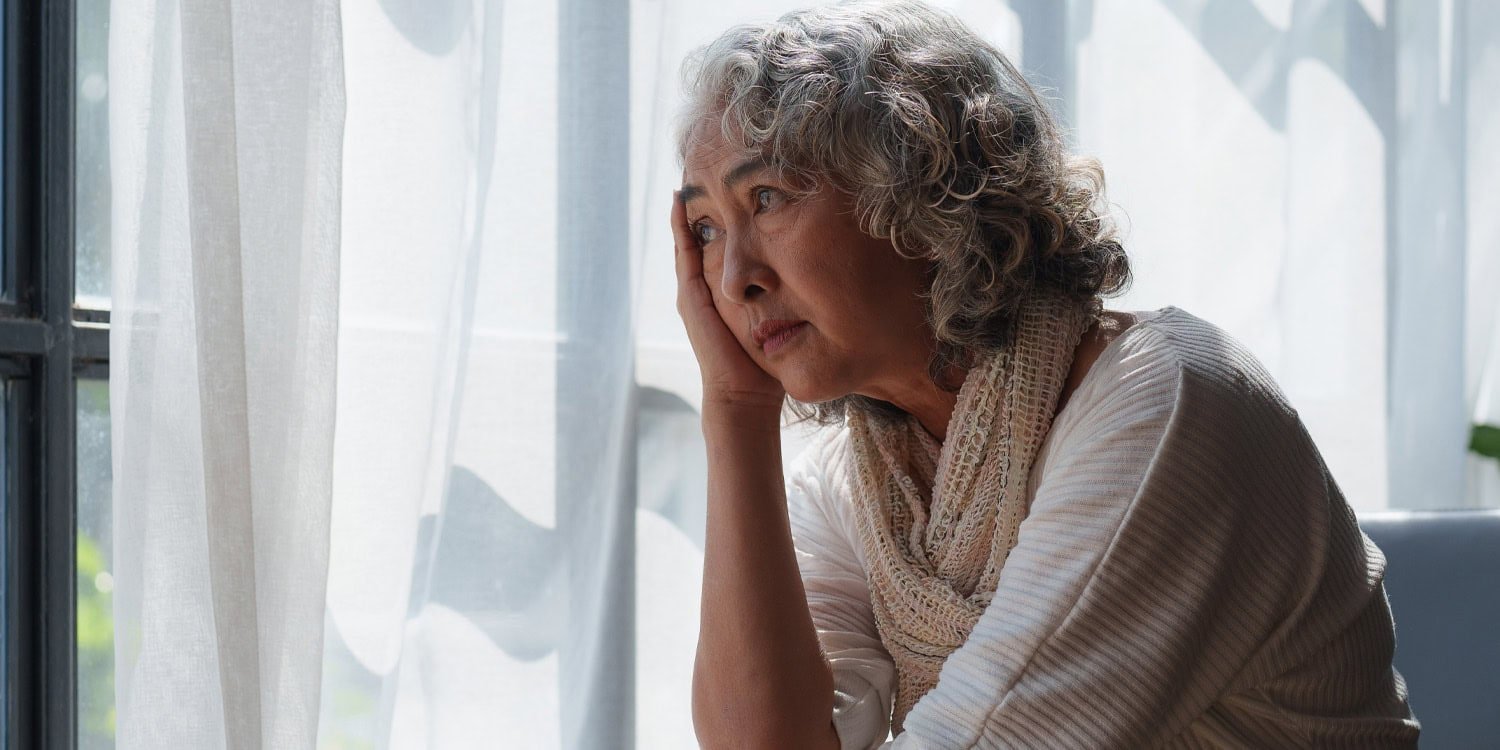
Older people are thought to be able to deal with interpersonal conflict much better than younger people, but new research suggests this advantage may not extend to the modern dating scene. Recent research published in Personality and Social Psychology Bulletin Researchers found that older people in new relationships actually reported worse emotional and physical reactions to their partner’s daily tensions than younger daters. These findings challenge common assumptions about aging and emotional maturity by highlighting how the specific circumstances of fresh relationships can undermine the normal benefits of growing older.
Aging often brings with it obvious changes in social and emotional priorities. Research consistently shows that as people get older, they begin to place a higher priority on harmony and become better at controlling their emotions during social conflicts. This acquired skill is often referred to by psychologists as socio-emotional expertise. With decades of accumulated life experience, older adults can develop passive coping strategies, such as consciously letting go of small irritations or giving their partner the benefit of the doubt.
Thanks to these trained skills, older people usually experience much less psychological distress than younger people when their romantic partner behaves poorly. However, there are notable pitfalls in this scientific literature. Most previous research on relationship conflict in late life has focused almost entirely on couples who have been married for many years. This emphasis makes it difficult to distinguish between the benefits of chronological age and the benefits of a comfortable partnership spanning decades.
When humans move into a committed dating relationship, they must find ways to integrate their daily lives and adjust their routines. This early stage of integration is understandably confusing and prone to misunderstandings. Because new couples lack a long history of shared positive experiences, they are more likely to view minor irritations as serious threats to the future of the relationship. Without an established foundation of trust, hiding your partner’s annoying habits will be a much more difficult task.
Lisa Neff, a human development researcher at the University of Texas at Austin, and her colleague Jennifer Beal wanted to know whether the psychological benefits of aging could be maintained during this difficult dating phase. As the number of unmarried adults over 50 continues to grow, dating later in life is becoming increasingly common. The researchers designed a study to test whether age always brings wisdom when relationships are strained, or whether the protective nature of aging depends strictly on how long a couple has been together.
To investigate these questions, the research team recruited two different groups of romantic partners. The first group consisted of 200 couples who had been together for at least 10 years. The second group included 82 couples who had been dating for less than three years. All participants ranged in age from 30 to 88 years, allowing researchers to accurately compare older and younger individuals in both established and newly formed partnerships.
The researchers followed the couples over a 21-day period using a structured daily diary approach. Each night, participants logged on to a secure survey to report on their partner’s behavior that day. They checked off a list of standard behaviors to see if their partner criticized them, acted impatient, or displayed other negative behaviors.
Participants also filled out daily assessments of their own physical health symptoms, tracking complaints such as headaches, muscle pain, and nausea. Additionally, they recorded their emotional states, reporting feelings such as sadness, anger, anxiety, and loneliness, along with their overall satisfaction with their relationships that day. By collecting this daily data, the researchers were able to measure each person’s reactivity to relationship stress.
Reactivity refers to the extent to which a person’s psychological distress and physical problems increase on days when tension with their partner is high compared to days when tension is low. The researchers adjusted the statistical model to account for the exact previous day’s baseline emotional state. This mathematical approach allowed researchers to track actual changes from day to day, ensuring they were measuring immediate reactions to conflict rather than lingering bad moods. We also controlled for variables such as daily time spent together, general relationship happiness, presence of children in the household, and previous divorce status.
The results revealed unexpected patterns in women’s psychological distress. Among established couples, age was not associated with emotional reactions to a partner’s annoying behavior. Among dating couples, older women experienced greater increases in negative affect on stressful days compared to younger dating women. Additionally, older dating women were more emotionally responsive than older married women, suggesting that trying to form a new partnership in later life carries unique emotional strain.
In men, no such age-related differences in emotional responses were found. This gender disparity is consistent with past research showing that women carry greater emotional burden and report being more sensitive during interpersonal conflicts. But when looking at physical health, researchers found common vulnerabilities in older daters of both genders.
Again, for people who have been married for many years, age has not provided a physical buffer against stress. Older daters reported experiencing a spike in physical health problems on stressful days than younger daters. When there was friction in the relationship, symptoms such as headaches and nausea were more pronounced in older daters. This shows that for older people, the friction of fresh love is closely linked to specific physical ailments.
Age made no difference for anyone when it came to general relationship satisfaction. All participants, regardless of their chronological age or length of relationship, reported lower daily satisfaction when their partner displayed negative behaviors. The researchers noted that relationship satisfaction is a higher level of psychological evaluation rather than an immediate emotional or physical response, meaning that everyone is equally likely to feel dissatisfied with the union in the immediate aftermath of an argument.
The underlying reason for this increased vulnerability is likely due to changes in the emotional goals of older adults. Later in life, people prioritize maintaining peaceful social relationships and generally try to avoid arguments as much as possible. However, in a brand new dating relationship, friction is very difficult to avoid as partners are still figuring out how to blend their diverse daily lives.
When older adults are forced into such unavoidable conflict situations, they may lack the emotional flexibility to easily dispel tension. Additionally, the physical harm observed in this study may be related to how the aging body processes biological stress. Although older adults may want to let go of their problems, the biological stress response caused by romantic conflict can linger. Physiological arousal takes longer to wear off in an aging body, so the inevitable friction in new dating scenarios can easily manifest as long-term anxiety, headaches, and muscle tension.
While the study provides a rare glimpse into the dynamics of late-life dating, the research team acknowledged some limitations to the study. The couples in the study were primarily white, healthy, and highly educated. Socioeconomic status and cultural background can profoundly influence how people approach romantic relationships, so future research should aim to include more diverse populations to see whether these patterns hold for different demographic groups.
The study also did not follow couples over multiple years to see how their responsiveness affected the long-term survival of their relationships. It is quite possible that heightened emotional sensitivity to a partner’s shortcomings actually serves as a protective function for older adults. A strong negative reaction to early dating confusion can motivate older people to quickly exit an unhealthy situation rather than waste valuable time on an incompatible partner.
Future research should follow older dating couples over longer periods of time to determine whether this intense reaction is ultimately a vulnerability or a hidden strength. Until then, psychologists and dating coaches alike may need to rethink the assumption that older single people will naturally overcome the challenges of new relationships.
The study, “Dating Later in Life: Does the Age Benefit Depend on Relationship Context?” was authored by Lisa A. Neff and Jennifer S. Beer.
