


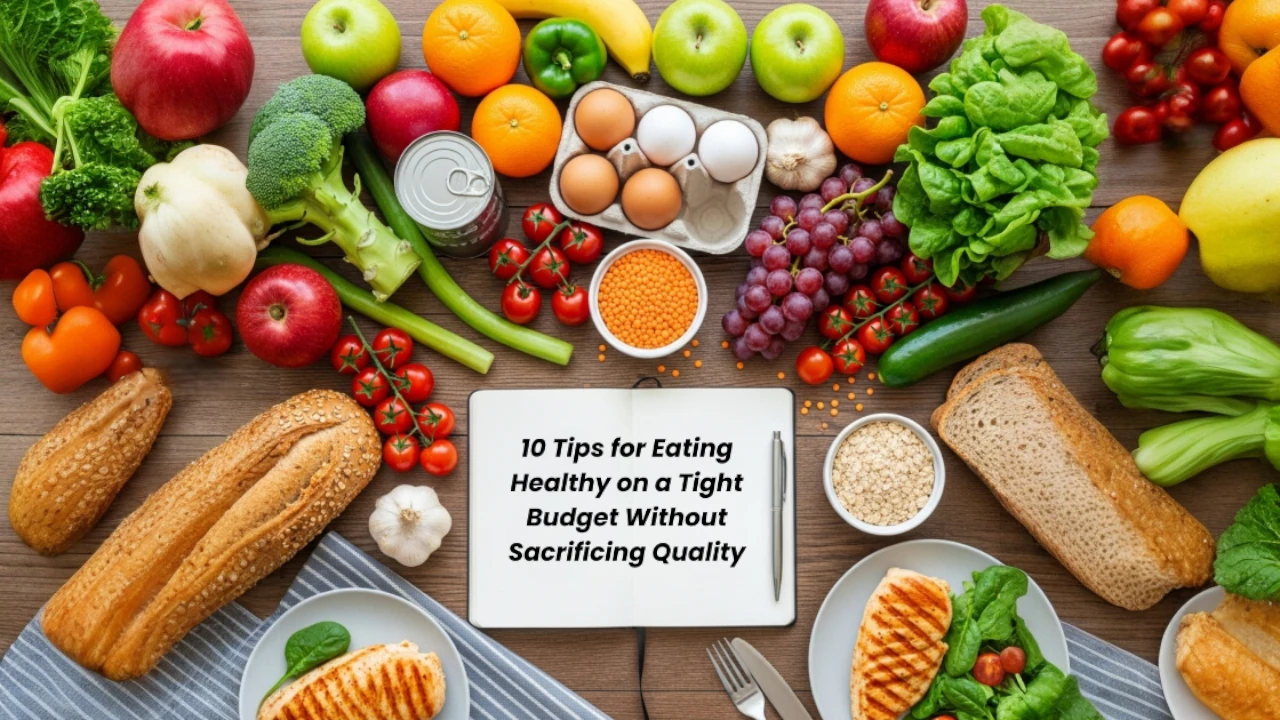
In today’s economy, rising food prices make it tempting to choose cheap, processed options. But poor nutrition can cost more in the long run—impacting your energy, productivity, and long-term health.
Healthy eating doesn’t have to break the bank. It’s about being intentional—making small, smart choices that balance nutrition, affordability, and taste.
Let’s explore ten practical ways to nourish your body without draining your wallet.
Plan Your Meals Ahead
Planning is the foundation of affordable healthy eating. When you plan meals in advance, you avoid impulse buys and reduce food waste.
Here’s how to start:
- Create a weekly menu. Base your meals on seasonal produce and store discounts.
- Check your pantry first. Use what you already have before buying more.
- Batch cook and prep. Cook large portions and freeze leftovers for later.
Pro Tip: Write a shopping list and stick to it. Spontaneous grocery decisions often lead to overspending and less nutritious choices.
Shop Smart: Compare, Substitute, and Save
Not all healthy foods come with a hefty price tag. Sometimes, it’s about where and how you shop.
Smart shopping strategies include:
- Compare prices per unit. Sometimes larger packs offer better value.
- Opt for store brands. Many offer similar quality to big names at a fraction of the price.
- Shop at discount stores or farmer’s markets. You’ll often find fresh produce at lower prices, especially near closing time.
- Avoid pre-packaged or pre-cut foods. Convenience costs more—whole foods are cheaper and often fresher.
Example: Instead of buying expensive salad mixes, purchase whole lettuce heads and chop them yourself.
Buy in Bulk (But Wisely)
Buying in bulk can save you money—but only if done strategically.
Focus on shelf-stable staples like:
- Brown rice
- Lentils and beans
- Oats
- Whole wheat pasta
- Nuts and seeds
Avoid bulk perishables unless you can freeze or share them. Buying 10 pounds of produce that spoils within a week wastes both money and food.
Bonus Tip: Store bulk foods in airtight containers to extend freshness and prevent pests.
Cook More at Home
Cooking at home gives you complete control over ingredients, portion sizes, and quality.
Eating out—even “healthy” options—can quickly inflate your food budget. A single restaurant meal often costs as much as groceries for several home-cooked meals.
Simple habits to start:
- Prepare breakfast and lunch at home during the week.
- Try cooking “copycat” versions of your favorite restaurant dishes.
- Involve family members to make cooking fun and consistent.
Quick meal idea:
Cook a large batch of stir-fry with brown rice, vegetables, and tofu or chicken—it’s inexpensive, filling, and packed with nutrients.
Focus on Whole, Unprocessed Foods
Whole foods—like fruits, vegetables, grains, beans, and lean proteins—deliver maximum nutrition per dollar. They’re often cheaper than heavily processed alternatives.
Why whole foods win:
- They’re nutrient-dense and satisfying.
- They help prevent overeating.
- They reduce long-term health costs linked to chronic diseases.
Examples:
- Swap sugary cereals for old-fashioned oats.
- Replace chips with homemade air-popped popcorn.
- Choose whole-grain bread over white bread.
You’ll save money and feel more energized.
Make Plant-Based Proteins Your Friend
Protein is essential—but it doesn’t have to come from expensive meat or fish.
Budget-friendly protein options include:
- Lentils and chickpeas
- Black beans and kidney beans
- Eggs
- Tofu and tempeh
- Greek yogurt
Meal example: A lentil curry or chili can cost under $2 per serving while delivering plenty of protein and fiber.
Pro Tip: Buy dried beans instead of canned ones—they’re cheaper, especially when cooked in bulk and frozen for later use.
Freeze Smart: Preserve Freshness and Reduce Waste
Your freezer is your best ally for budget-friendly healthy eating.
When fruits or vegetables are on sale, buy extra and freeze them. Frozen produce retains most of its nutrients and lasts months.
Smart freezing hacks:
- Freeze bananas for smoothies or baking.
- Store chopped veggies for quick stir-fries.
- Portion soups and stews for ready-to-go meals.
Bonus: Frozen fruits and veggies are often cheaper than fresh—especially off-season—yet just as nutritious.
Cut Down on Processed Snacks and Beverages
Sugary drinks, chips, and convenience snacks quietly drain your wallet and health.
Instead, opt for DIY snacks like:
- Homemade granola bars
- Fruit and nut mixes
- Roasted chickpeas
- Yogurt with honey and oats
And swap expensive bottled beverages for water, green tea, or homemade smoothies. Your body and bank account will thank you.
Embrace Seasonal and Local Produce
Seasonal produce is fresher, tastier, and cheaper. Local farmers’ markets and co-ops often sell seasonal fruits and veggies at great prices.
Examples:
- Buy citrus fruits in winter.
- Stock up on berries and greens in summer.
- Purchase root vegetables in fall—they’re affordable and filling.
Pro Tip: Visit markets late in the day—many vendors offer discounts to clear remaining stock.
Grow Your Own (Even in Small Spaces)
You don’t need a garden to grow your food. Even a few potted herbs on your windowsill can make a difference.
Start simple:
- Grow herbs like basil, mint, or parsley.
- Plant tomatoes or leafy greens in containers.
- Regrow scallions or celery from kitchen scraps.
Growing your own food adds freshness, flavor, and satisfaction—plus it’s incredibly cost-effective over time.
Sample Budget-Friendly Healthy Meal Plan
Here’s an example of a simple, affordable 3-day meal plan:
Day 1:
- Breakfast: Overnight oats with banana and cinnamon
- Lunch: Lentil soup with whole-grain toast
- Dinner: Stir-fried veggies with brown rice and tofu
Day 2:
- Breakfast: Greek yogurt with oats and honey
- Lunch: Tuna salad wrap with spinach and carrots
- Dinner: Chickpea curry with steamed broccoli
Day 3:
- Breakfast: Smoothie with frozen berries and peanut butter
- Lunch: Veggie omelet with whole-grain toast
- Dinner: Baked sweet potatoes topped with beans and salsa
Simple, nourishing, and easy on the wallet.
Internal Link Suggestions:
- Related Article: “The Link Between Nutrition and Mental Health: Foods That Lift Your Mood”
- Related Guide: “10 Fitness Tech Innovations You Didn’t Know Existed – And How They Work!”
External Credible Sources:
- Harvard School of Public Health – Healthy Eating Plate
- USDA ChooseMyPlate.gov – Budget-Friendly Nutrition Tips
FAQs
Q1: Can I really eat healthy if I have a limited income?
Absolutely! With planning, bulk buying, and smart substitutions, you can enjoy nutritious meals even on a tight budget.
Q2: What are the cheapest sources of protein?
Eggs, beans, lentils, and peanut butter are affordable, high-quality protein options.
Q3: Are frozen fruits and vegetables healthy?
Yes! They’re often flash-frozen at peak freshness and retain most nutrients.
Q4: How can I stop wasting food?
Plan meals, use leftovers creatively, and freeze extras before they spoil.
Q5: What’s one quick budget-friendly meal idea?
Try a lentil and vegetable stir-fry—it’s cheap, quick, and packed with nutrients.
Conclusion
Eating healthy on a tight budget isn’t about restriction—it’s about strategy, creativity, and consistency. By planning meals, buying smart, and focusing on whole foods, you can enjoy nourishing meals that fuel your body and save money.
Start small today—your wallet and your health will thank you tomorrow.
