


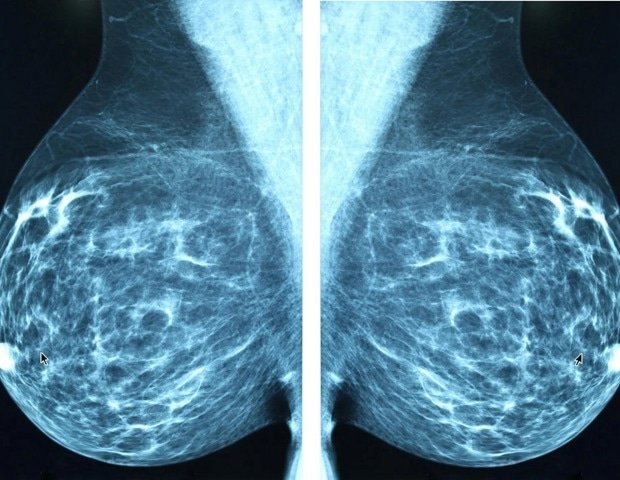
People who have cancer as teenagers or young adults have twice the risk of developing most types of cancer later in life, according to research published in Alberta. CMJ (Canadian Medical Association Journal) https://www.cmaj.ca/lookup/doi/10.1503/cmaj.251381.
Primary neoplasms (new cancers that develop after an earlier cancer) are known as late effects from previous cancers and are often caused by the effects of treatment.
”Combined with the relatively high survival rate of approximately 86% in this age group, there is a growing population of young cancer survivors who are adversely affected by cancer diagnosis and treatment even decades later.,” wrote Dr. Miranda Fidler-Benaudia, a cancer epidemiologist at the University of Calgary’s Cumming School of Medicine and Cancer Care Alberta in Calgary, Alberta, along with her co-authors.
The Alberta Adolescent and Young Adult Cancer Survivor Study includes all people in Alberta aged 15 to 39 who were diagnosed with a first cancer between 1983 and 2017. During this 34-year study period, researchers analyzed future cancer risk to better understand the impact on this demographic and the risk of future disease and death. Of 24,459 people with a median follow-up of 7.4 years, 1,442 (6%) developed at least one subsequent cancer. The most common types of cancer were lymphoma and breast cancer, followed by cancer. Breast, colorectal, and lung cancers were the most common new cancers, accounting for 43% of subsequent primary neoplasms.
“While people with nearly all types of adolescent and young adult cancers studied were at increased risk of developing subsequent primary neoplasms, Hodgkin lymphoma and breast cancer survivors were identified as a particularly vulnerable population, with nearly one-third of subsequent primary neoplasms occurring after diagnosis in these survivor groups at 5 years survival,” the authors write. “These findings are consistent with previous studies and reflect the well-established late effects of radiotherapy, chemotherapy, and hormone therapy.”
They point out that genetic factors may also be involved, and genetic counseling and education to maintain a healthy lifestyle are important in caring for survivors.
Thirty years after initial diagnosis, one in six adolescent and young adult cancer survivors will experience a new cancer. Because these cancers develop decades earlier in survivors than in the general population, the authors suggest that early screening may be beneficial.
”Our findings suggest that early cancer surveillance in this population may be warranted, which is consistent with many survivorship guidelines that recommend early breast and colorectal cancer surveillance for at-risk cancer survivors.” writes the author.
In Canada, cancer incidence among adolescents and young adults is increasing by 1.3% per year. Combined with relatively high survival rates, this means there is a growing population of young cancer survivors at risk of developing another cancer.
”Given that subsequent primary neoplasms are a major cause of morbidity and early mortality, these findings highlight the need for innovative solutions for the prevention, detection, and treatment of subsequent primary neoplasms in adolescent and young adult cancer survivors.” concludes the author.
sauce:
Canadian Medical Association Journal
Reference magazines:
Ur Alam, A. others. (2026). Subsequent primary neoplasm risk in adolescent and young adult cancer survivors: A population-based study in Alberta, Canada. Canadian Medical Association Journal. DOI: 10.1503/cmaj.251381https://www.cmaj.ca/lookup/doi/10.1503/cmaj.251381
