


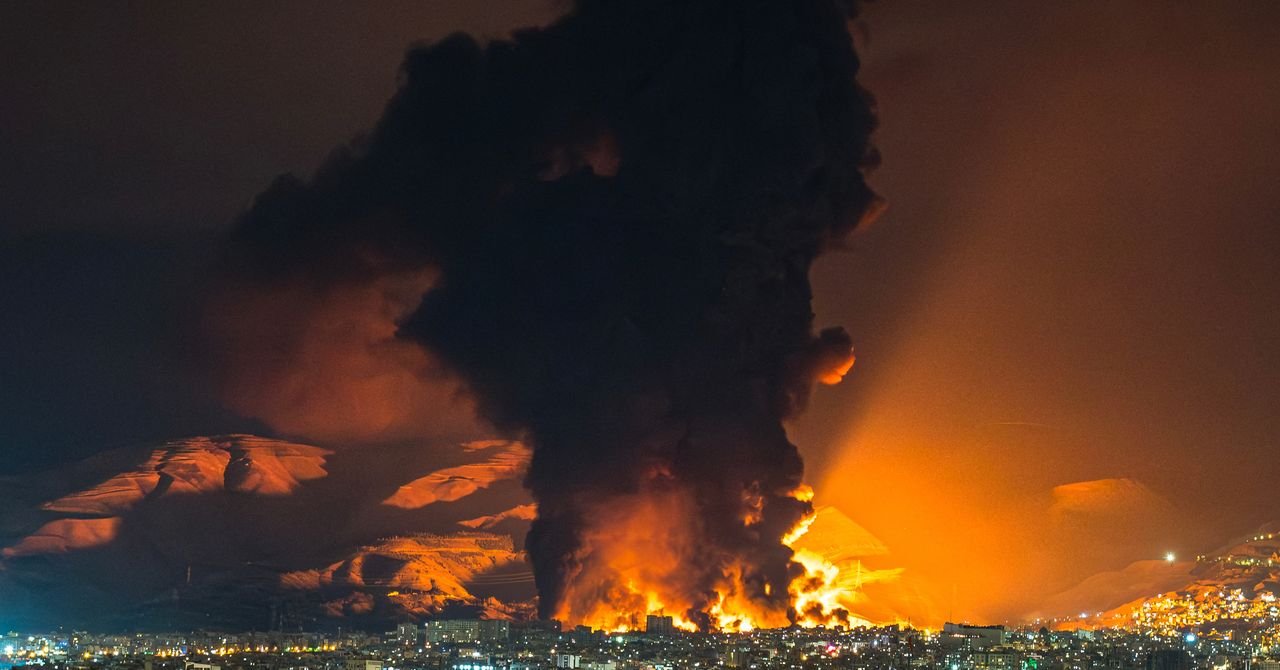
That doesn’t mean it’s easy to compare directly. Sunil was careful not to claim that one pollution event is always categorically “worse” than another. However, he clearly distinguished between controlled combustion in normal city life and uncontrolled combustion during a refinery fire.
“In normal urban environments, we have controlled the types of combustion,” he said, referring to automobiles, industry and even refineries that operate under regulations aimed at limiting the most harmful emissions. “In a situation like this, everything we’re trying to prevent is just released into the atmosphere unexpectedly and rapidly and in huge quantities and amounts.”
His conclusion was straightforward: “Even in a heavily polluted city, the situation is worse than normal.”
who is at risk
The health effects of refinery fires are uneven. Exposure depends on how close people get to the fire, how long the burning lasts, and how wind and weather conditions move pollutants into the air.
Singh said smoke from refinery fires contains a mixture of pollutants produced when crude oil and industrial chemicals burn out of control. “It’s a toxic cocktail created by the uncontrolled burning of crude oil and chemicals. People are breathing in the black carbon, which acts like tiny ‘needles’ that carry chemicals deep into the lungs,” he added.
The World Health Organization said it was concerned about the public health impact of oil fires and pollution, particularly from toxic fumes and contaminated surfaces, and the potential impact on water and food safety.
Exposure to smoke and petrochemicals can cause breathing problems, eye and skin irritation, and other health effects, especially for children, the elderly and people with existing health conditions, the WHO says.
Refinery fires put people at risk of breathing in large amounts of pollutants in a short period of time. Singh said these spikes can cause asthma attacks, difficulty breathing and other immediate health effects for vulnerable people.
Sunil says certain groups are particularly vulnerable to sudden spikes in air pollution. These include children, the elderly, and patients with existing respiratory or cardiovascular disease. People who already have asthma or other respiratory illnesses may experience more severe symptoms if pollutant concentrations rise quickly.
how long does it last
Another difficult question is how long the danger remains after a fire starts. There is no single answer.
