


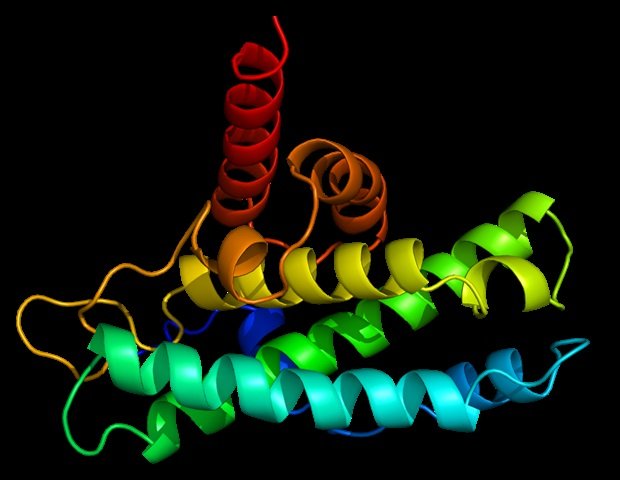
Researchers at Baylor College of Medicine We have discovered a potential new strategy to combat Alzheimer’s and Parkinson’s diseases, conditions associated with the toxic buildup of tau and alpha-synuclein protein clumps in the brain. The team reports: nature communications Tubulin, a component of microtubules, the “railroads” inside cells, can prevent tau and alpha-synuclein from forming toxic clumps and instead channel them into their normal, healthy roles.
“Tau and alpha-synuclein are well known for their role in neurodegenerative diseases such as Alzheimer’s disease and Parkinson’s disease. In these diseases, these proteins can misfold and stick together to form harmful aggregates, damaging neurons and causing memory loss, movement disorders, and other symptoms,” said first author Dr. Lathan Lucas, a postdoctoral fellow in biochemistry and molecular pharmacology in the lab of Dr. Alan Ferreon. “However, tau and alpha-synuclein also perform essential functions in healthy neurons. They interact with tubulin, contribute to microtubule assembly and stabilization, help maintain cell structure, and support communication.”
Tau and alpha-synuclein concentrate in tiny droplets, also called condensates, to carry out cellular functions, whether harmful or healthy. Preventing the formation of these droplets is a potential treatment for neurodegenerative diseases, but such droplets also play a healthy role, and their destruction may alter normal neurological function.
“This led us to think: What if, instead of preventing the droplets from forming, we created conditions that moved the tau and alpha-synuclein within the droplets in a healthy direction and stopped them from moving toward disease?” says Ferreon, associate professor of biochemistry and molecular pharmacology and co-corresponding author of the paper.
I think of tau and alpha-synuclein as troublemakers at school. To avoid problems, you can keep your children in the classroom acting out or doing nothing, or keeping them engrossed in schoolwork, sports, or drama. We discovered that tubulin can steer tau and alpha-synuclein troublemakers in a healthy direction. ”
Dr. Lathan Lucas, first author
The research team utilized biochemical and biophysical techniques, high-resolution microscopy, and neural-based assays to investigate the role of tubulin in regulating and preventing the formation of toxic aggregates in droplets.
“Low tubulin levels, as seen in Alzheimer’s disease, can reduce the amount of microtubules and allow tau and alpha-synuclein to form toxic aggregates,” Professor Lucas said. “However, in the presence of tubulin, tau and alpha-synuclein move away from harmful aggregates and instead promote the assembly of healthy microtubules,” Lucas says. “Tubulin redirects the activity of these proteins by giving them productive activity.”
“Our findings significantly shift the role of tubulin in neurodegeneration from passive damage caused by disease to an active protector against toxic protein aggregation,” said Professor Ferreon. “Rather than blocking droplet formation, enhancing the tubulin pool can suppress toxic aggregation while preserving the healthy role of tau and alpha-synuclein, offering the potential for a selective therapeutic strategy.”
Other contributors to this study include co-lead authors Phoebe S. Tsoi, My Diem Quan, and KYung-Jae Choi, and co-corresponding author Josephine C. Ferreon. All are affiliated with Baylor College of Medicine.
This research was supported by NINDS-NIH grant R01 NS105874, Welch Foundation grant Q-2097-20220331, and NIGMS-NIH grant R01 GM122763.
sauce:
Baylor College of Medicine
Reference magazines:
Lucas, L. Others. (2026). Tubulin converts tau and α-synuclein condensates from pathological to physiological. nature communications. DOI: 10.1038/s41467-026-69618-3. https://www.nature.com/articles/s41467-026-69618-3
