


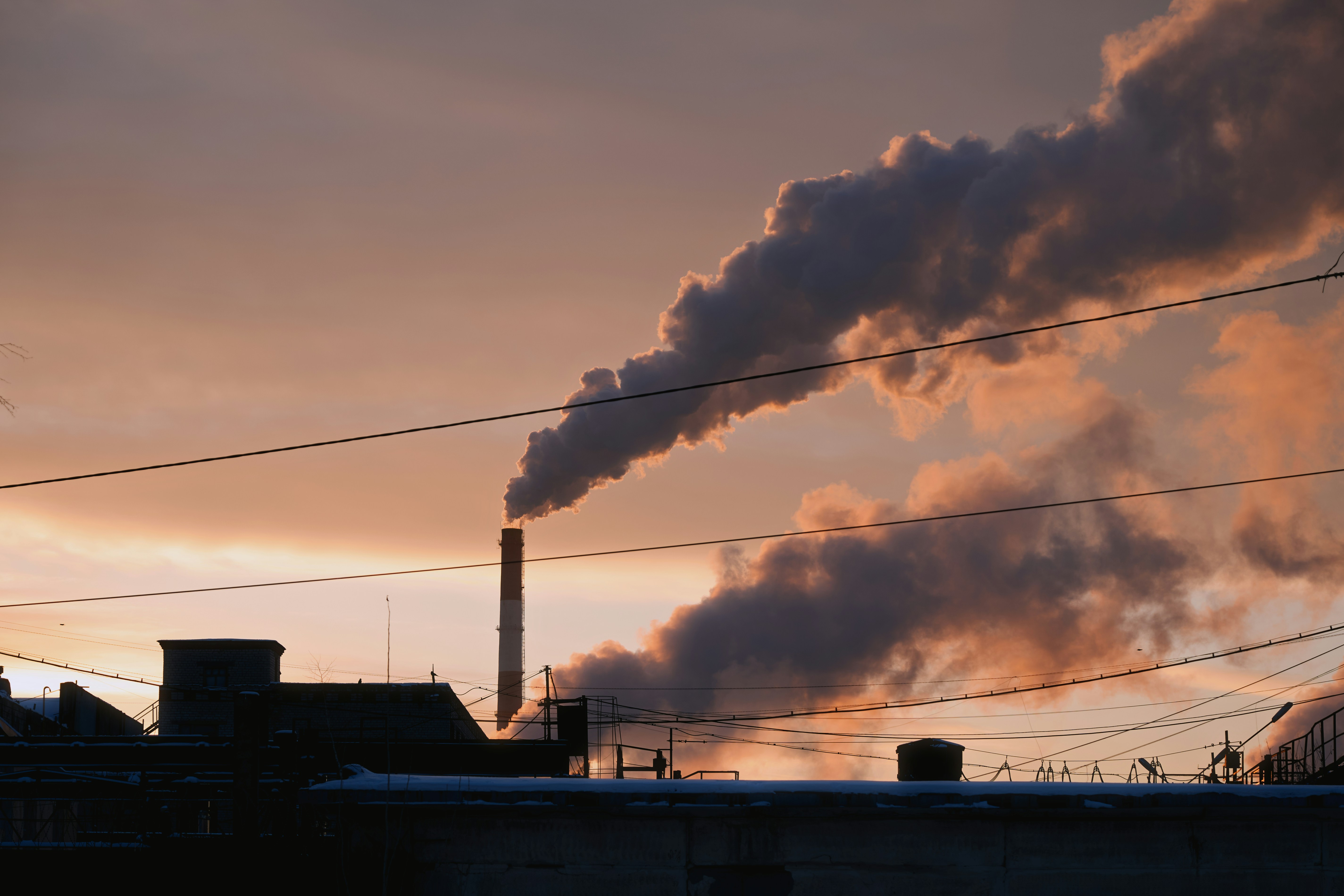
Climate change health impacts are escalating globally, as detailed in the Lancet Countdown 2025 report, produced by 128 experts monitoring 57 indicators. Twelve of 20 health-related metrics have hit record highs, signaling worsening climate-health links driven by fossil fuel pollution and inaction.
Heat-related mortality exemplifies the crisis, rising 23% since the 1990s to 546,000 annual deaths. In 2024, the average person endured 16 additional dangerous heat days attributable to human-induced warming, with infants and older adults facing over 20 heatwave days—a fourfold increase in two decades. Wildfire smoke PM2.5 caused a record 154,000 deaths that year.
Air pollution health effects are equally alarming. The State of Global Air 2025 identifies it as the second-leading mortality risk, behind only high blood pressure, accounting for one in eight deaths worldwide. Fossil fuel-derived outdoor air pollution led to 2.52 million deaths in 2022, while household pollution claimed 2.3 million more. Noncommunicable diseases comprise 86% of these, including a 98% rise in dementia deaths to 626,000 since 2000.
The WHO emphasizes that climate inaction claims millions of lives yearly, straining health systems and economies—$1.09 trillion in lost labor productivity from heat alone in 2024.
Environmental scientists, urban planners, and public health advocates must confront these climate change health impacts. Urgent pollution mitigation strategies and sustainable interventions offer pathways to resilience, as explored in subsequent sections.
Quantifying Climate-Health Impacts: Heat, Air Pollution, and Disease Vectors
Climate change health impacts manifest starkly in heat-related mortality, which surged 23% since the 1990s to 546,000 annual deaths, per the Lancet Countdown 2025. In 2024, individuals faced 16 extra dangerous heat days due to warming, quadrupling heatwave exposure for vulnerable groups over two decades. Economic tolls include $1.09 trillion in lost labor hours and $261 billion from heat deaths among older adults, as noted by WHO.
Air pollution health effects compound these risks. Wildfire smoke PM2.5 caused a record 154,000 deaths in 2024, while fossil fuel pollution drove 2.52 million outdoor and 2.3 million household deaths in 2022. The State of Global Air 2025 ranks air pollution second globally for mortality, with 86% tied to noncommunicable diseases like a 98% dementia rise to 626,000 deaths since 2000. PM2.5 exposure infiltrates organs, elevating stroke, heart disease, and cognitive risks.
Disease vectors thrive amid warming. Dengue transmission potential increased up to 49% since the 1950s, per Lancet indicators, shifting patterns and straining public health systems.
These climate change health impacts hit low- and middle-income countries hardest, where 90% of pollution deaths occur and death rates are 5-10 times higher. WHO environmental health scorecards reveal stark disparities in exposures and policies across 194 nations, underscoring urgency for urban climate adaptation and pollution mitigation strategies.
Sustainable Mitigation Strategies: Urban Adaptation, Clean Energy, and Pollution Reduction
Targeted pollution mitigation strategies can dramatically reduce climate change health impacts. The Lancet Countdown 2025 documents life-saving co-benefits from limited actions: reduced coal-derived air pollution avoided 160,000 premature deaths annually between 2010 and 2022. Renewables reached 12% of global electricity, generating 16 million jobs, though low HDI countries rely on them for just 3.5% of energy.
Clean energy transitions slash fossil fuel pollution, curbing PM2.5 exposure linked to 2.52 million outdoor deaths in 2022. Phasing out dirty fuels in households prevents another 2.3 million fatalities, enhancing air pollution health effects mitigation.
Urban climate adaptation leverages green infrastructure. The 2025 UN Thematic Report on Cities promotes pollution cuts, 15-minute cities, and nature-based solutions like 30% tree cover, potentially averting 2,600 European heat-related deaths per summer while boosting mental health by 9-11%.
Active mobility yields dual gains: Bogotá’s cycling network saves ~300 lives yearly through increased activity and emission reductions. Compact designs with green corridors balance density and cooling, fostering sustainable urban planning health.
Nearly all reporting cities (97%) have climate risk assessments; 66% of public health and 72% of medical institutions provide climate-health training. WHO environmental health scorecards benchmark exposures and policies across 194 countries, guiding equitable progress.
Building climate resilient health systems protects migrants and displaced, as urged by WHO. Health sector emissions fell 16% globally from 2021-2022.
Urban planners should integrate low-emission zones, retrofits, and public transit. Public health advocates: demand adaptation finance exceeding fossil subsidies ($956 billion in 2023). Scientists: use indicators to quantify co-benefits, driving urgent action against climate change health impacts.
Sources
- https://www.who.int/news/item/29-10-2025-climate-inaction-is-claiming-millions-of-lives-every-year–warns-new-lancet-countdown-report
- https://lancetcountdown.org/2025-report/
- https://www.who.int/news/item/24-07-2025-who-unveils-health-and-environment-scorecards-for-194-countries
- https://www.who.int/news/item/06-08-2025-climate-change-and-global-health–who-calls-for-migrant-inclusive-and-climate-resilient-health-systems
- https://sdgs.un.org/sites/default/files/2025-10/Thematic%20Report%20on%20Cities.pdf
- https://www.healtheffects.org/announcements/insights-air-we-breathe-state-global-air-2025
- https://www.thelancet.com/journals/lancet/article/PIIS0140-6736(25)01919-1/abstract
- https://phys.org/news/2026-01-air-pollution-human-body.html
- https://www.euronews.com/health/2026/03/24/5-ways-to-protect-your-health-when-air-pollution-spikes
- https://www.nature.com/articles/s44407-026-00059-4
