


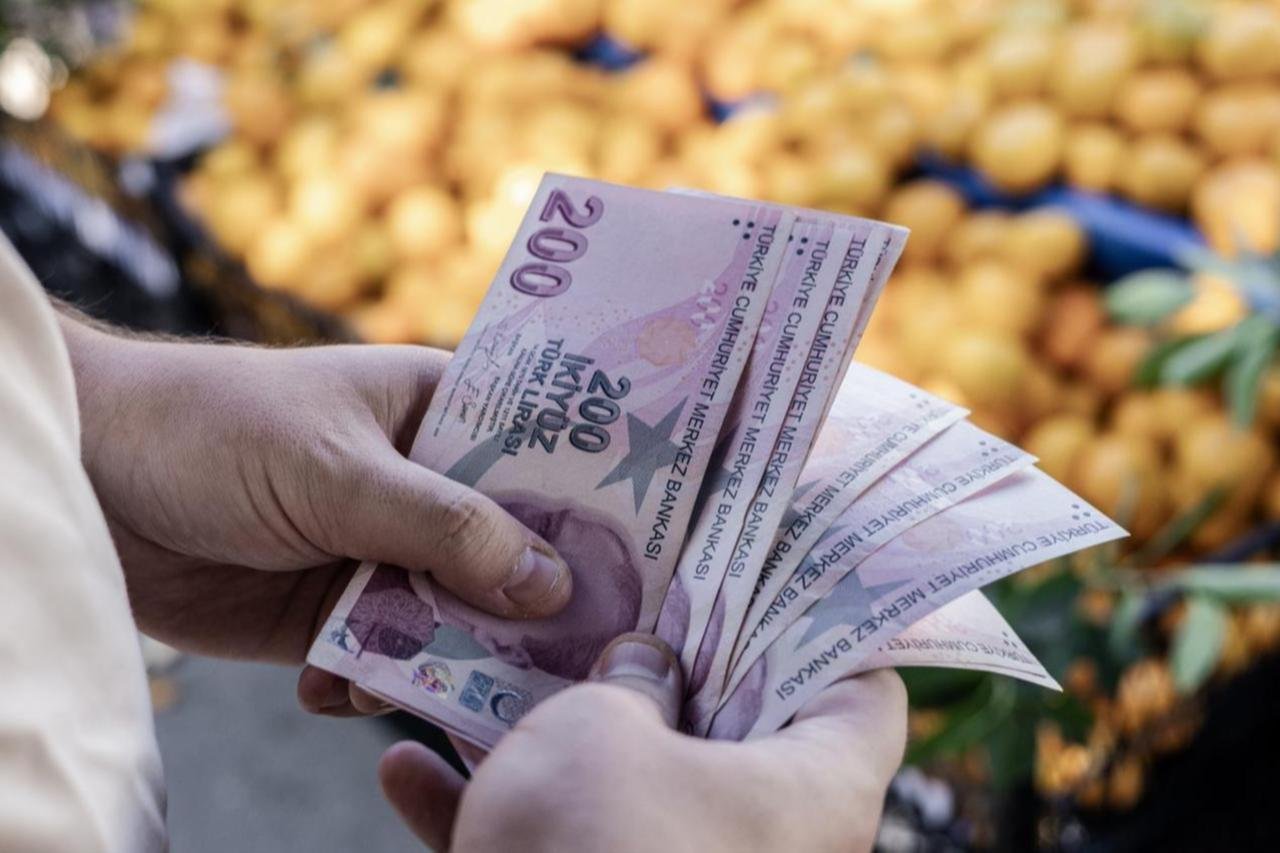
CConsumers in Turkiye are paying significantly more for food labeled as “safe” or tested for pesticides, as concerns about chemical residues change the way people shop for basic produce.
Recent data shows that choosing verified or analyzed foods can cost up to 73% more than buying the same product at a discount retailer, raising questions about access, regulation, and public health.
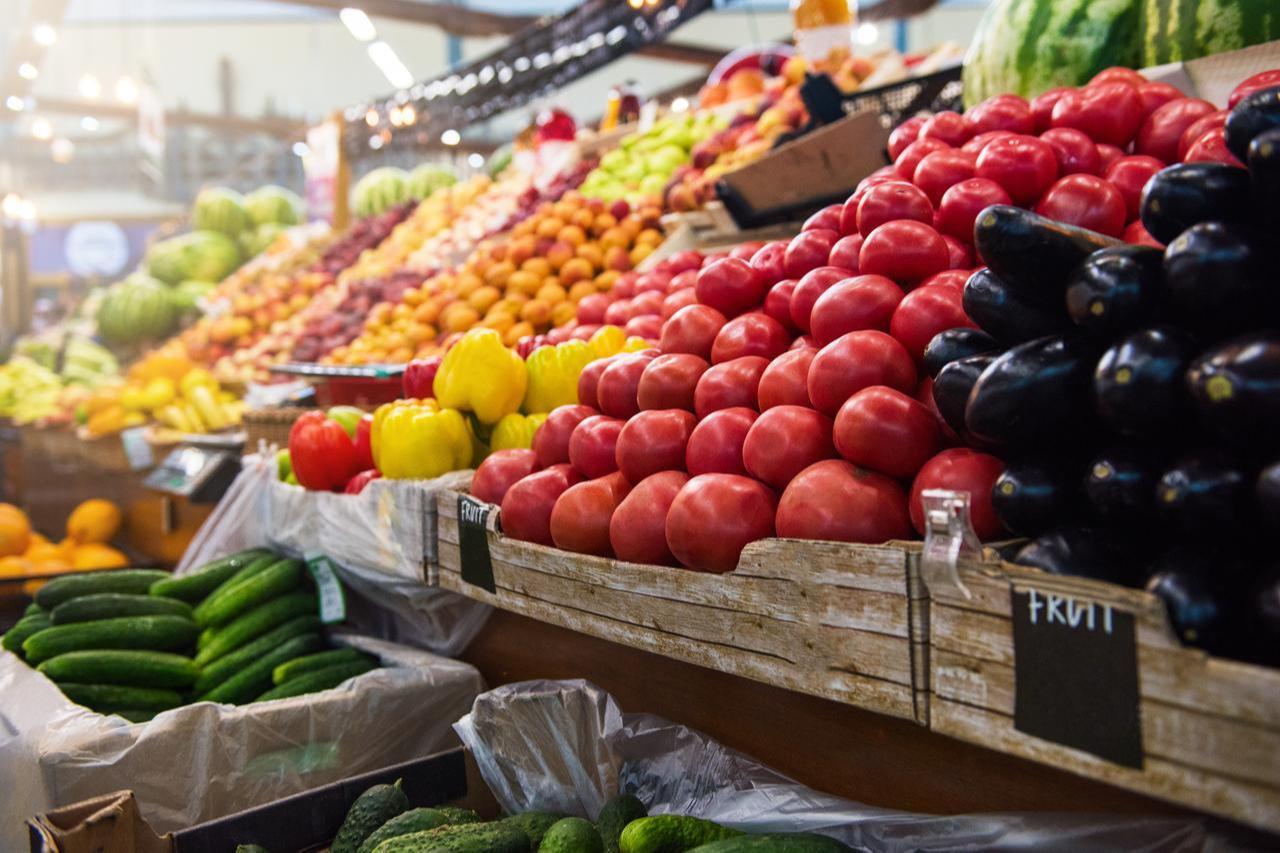

Fresh organic vegetables arranged on a market counter in a grocery store. (Adobe Stock Photo)
Food safety comes at a price
A basket of basic produce such as carrots, potatoes, onions, oranges, green apples, tomatoes and pears costs about ₺406 ($9) at a discount supermarket.
According to Cumhuriyet’s report, the same basket costs up to ₺702 ($16) when purchased from a retailer that offers pesticide-tested or certified products. This means consumers will pay 73% more for safer food.
This gap reflects the growth of a market where food safety is treated as a premium category rather than the standard. Retailers are expanding their shelves with “certified” and “tested” products in response to growing public awareness, especially after repeated warnings related to food originating from Turkiye in the European Union’s food safety monitoring system.
However, it remains unclear how much of the price increase is due to production and certification costs and how much is due to retail pricing strategies.
Consumer advocates warn that this price structure creates inequality. Consumer Rights Association President Ergun Kilic said safe food should not depend on market trends.
“We cannot leave this issue to corporations. Making risk-free food available only to certain groups violates both the Constitution and universal consumer rights,” he said.
Agricultural engineer Ghazi Kutle also warned against normalizing unsafe food, saying there was no justification for a system where unknown foods became the norm and safe foods were the exception.
Empty shopping cart in the supermarket. (Adobe Stock Photo)
Separate what is safe from what is affordable
Concerns about pesticides continue to shape the public debate.
A 2025 report cited by the BBC found that one in three food samples in Istanbul contained pesticide residues above the legal limit, and the use of unauthorized pesticides was detected in 33% of products tested.
Pesticides are widely used to boost crop yields, but experts warn that long-term exposure can cause serious health problems, including neurological disorders, hormonal disorders and the risk of cancer.
Many samples also contained multiple pesticide residues, raising concerns about cumulative effects.
At the same time, alternative food networks aimed at connecting producers and consumers directly are struggling to reduce costs. A mixed package of fruits and vegetables sold through these systems can cost up to ₺500 ($11), which is about 53% more expensive than supermarket discount prices.
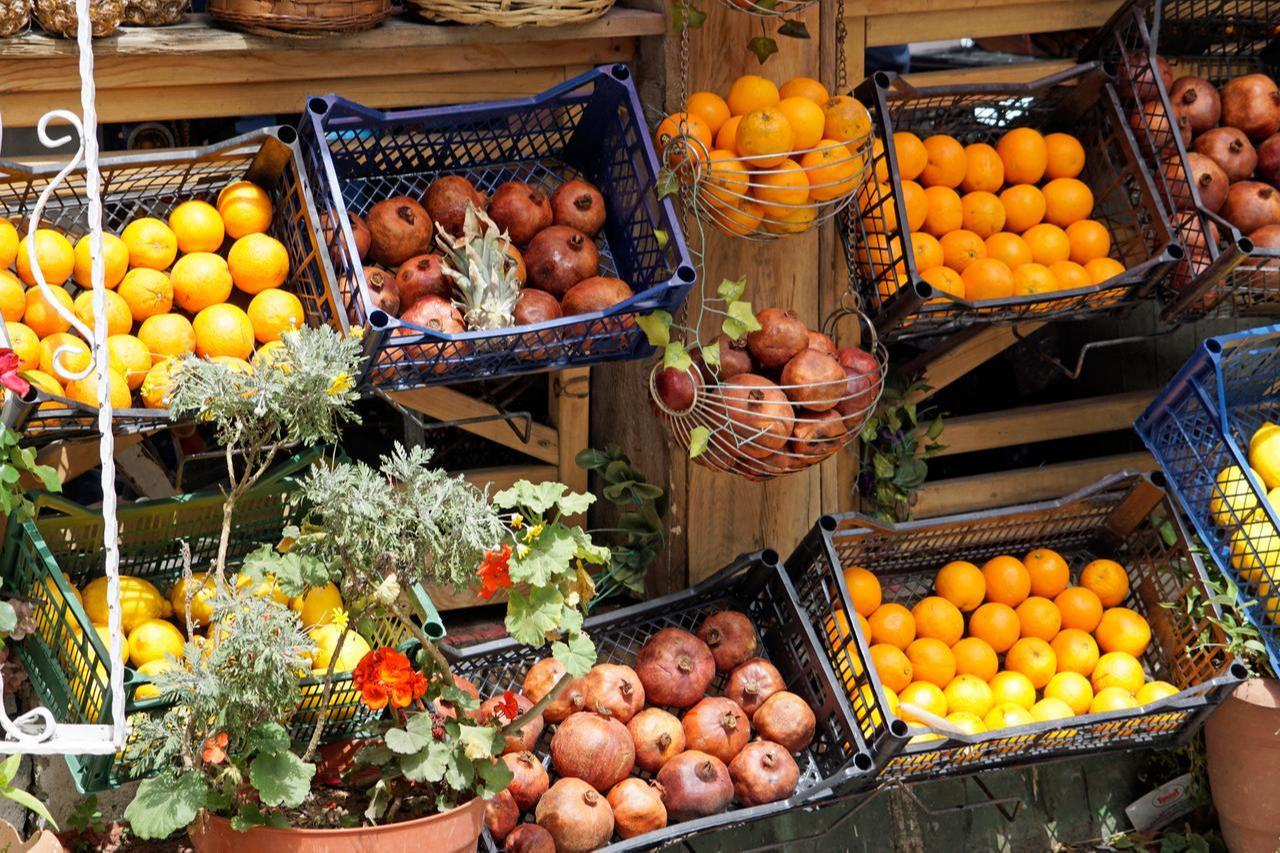
Wooden crates of oranges, pomegranates and lemons are lined up outside Turkiye’s local market. (Adobe Stock Photo)
What do the experts say?
Experts say structural issues such as logistics, storage and small-scale production are keeping prices high.
Yasar Adari, director of the social initiative Postan, said green production is different from conventional farming, where environmental and health costs are often shifted elsewhere.
“In green production, costs are reflected directly in the product price. To prevent this and make fair food the norm, we need to support it through public incentives,” he said.
Other experts point to the need for broader reforms, including greater transparency in pesticide monitoring, greater support for local production and less reliance on chemical inputs.
Oya Ayman of the Bagday Association said Turkiye could meet its food needs in an environmentally friendly way if its production and distribution systems were redesigned.
“There are scientific studies that show that the entire population of Turkiye can be fed through environmentally friendly farming methods,” she says.
Increasing awareness of pesticide risks is changing the way food is priced and sold across Turkiye, with certified and tested products increasingly taking on a premium position. For consumers using local markets and supermarkets, price differences can indicate how products are sourced, tested, or sold.
Experts say that without stronger oversight and public support, access to safer food will remain unequal and informed choices will become more dependent on both knowledge and budget.

March 30, 2026 3:32 PM GMT+03:0
