


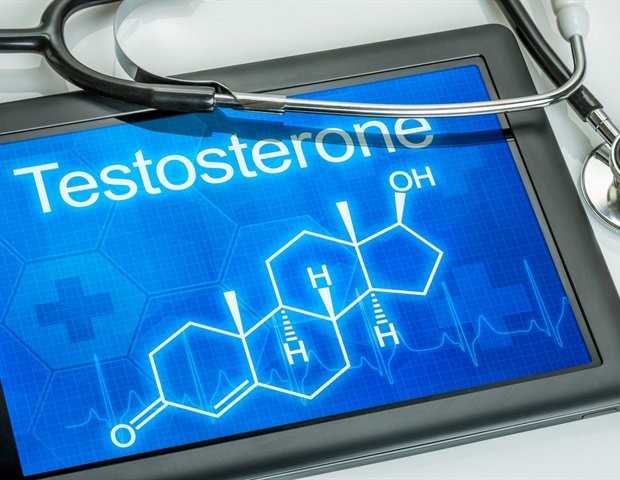
The relationship between testosterone and happiness is weaker than many people think. According to a paper from the University of Gothenburg, although the link to health is clear, increased testosterone levels are not always the key to happiness.
Interest in testosterone has increased dramatically in recent decades. It is common for men to seek treatment believing that their fatigue and depression are caused by a lack of testosterone. However, the image of hormones is often simplistic.
Data from large studies in the United States and Sweden were used to explore the complex relationship between testosterone levels and health. The study focused on identifying muscle health, the body’s internal environment, and which specific symptoms in men are more closely related to testosterone levels.
The clearest associations are with sexual problems related to sexual desire, erections, sexual performance, and some muscle and joint pain, but again, the associations are surprisingly weak when compared to men with normal testosterone levels. ”
Amar Osmancevic, Physician, PhD in Community Medicine and Public Health
muscle health and inflammation
Muscle health and testosterone are also linked. Higher testosterone levels are associated with higher muscle mass and, most importantly, less intramuscular fat. This is especially true for muscles with a high percentage of fat: those in the stomach, hips, hips, around the waist, and chest.
“Muscle health isn’t just about looking muscular, it’s also about the quality of your muscles. Maintaining your hormone levels prevents your muscles from decreasing in size or remaining stored as fat, which is critical for your metabolism and longevity.”
Interestingly, it was also found that increased muscle mass in men is primarily associated with the female hormone estradiol, a type of estrogen. Additionally, men’s higher muscle fat content appears to be associated with proteins that carry sex hormones in their blood.
Regardless of age or body size, decreased testosterone levels go hand in hand with increased levels of inflammation. This is not a temporary infection, but rather a mild inflammation that affects the body over time.
“Taking care of your overall health to reduce inflammation is just as important for your hormone levels as exploring other ways to boost your testosterone levels,” says Amar Osmancevic.
Fatigue is caused by other causes
However, research has shown that depression and fatigue in the male population have no clear association with testosterone deficiency. In such situations, other factors become important.
“Non-specific symptoms and test results should not be too narrowly focused. Symptoms such as fatigue and depression may be due to factors other than low testosterone levels, such as age, lifestyle, comorbidities, and amount of abdominal fat. Belly fat and age appear to have a greater influence on future symptoms than a person’s baseline testosterone levels,” concludes Amar Osmancevic.
