


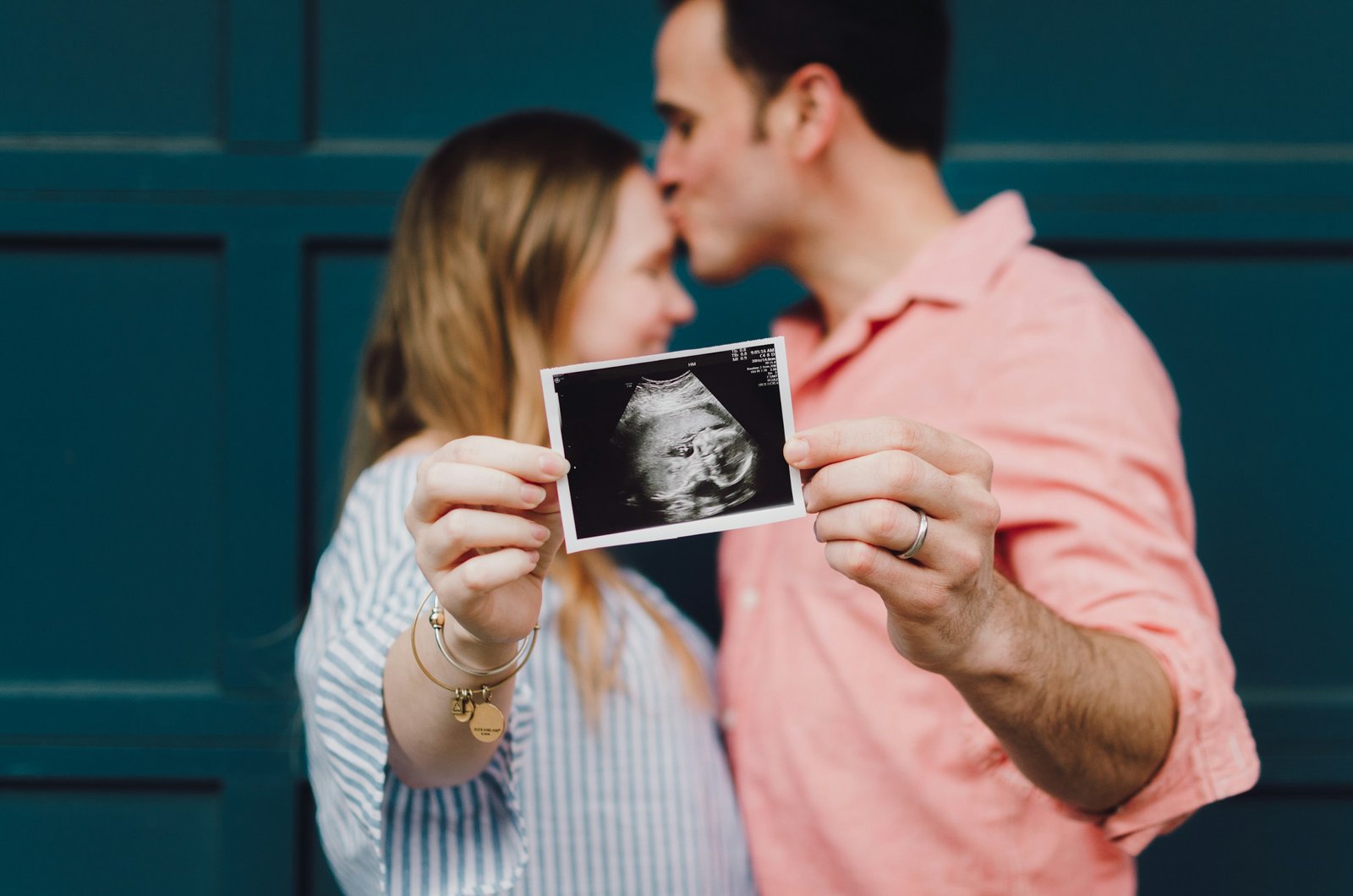
Men and women should probably avoid ultra-processed foods when trying to have children, according to a new study of 651 couples in Rotterdam, the Netherlands.
The findings were published March 24 in the journal human reproductionfound that men with diets high in ultra-processed foods had lower fertility, while women with such diets had slower embryo growth during pregnancy and smaller yolk sacs to nourish the embryo during early development. The authors say their study is the first to assess how ultra-processed foods in both mothers’ and fathers’ diets affect early pregnancy and the couple’s ability to conceive.
Ultra-processed foods, such as lunch meats, potato chips, candy, frozen foods, and some breads and cereals, include a wide range of products that may contain chemical preservatives and sweeteners, and have undergone processing techniques that significantly alter the ingredients. These foods consist of Approximately 70% of the US food supplyAccording to the U.S. Food and Drug Administration (FDA), some ultra-processed foods have been linked to heart disease, obesity, and certain cancers.
“Paternal dietary quality may be an underrecognized goal despite being an important goal of preconception care and infertility treatment,” the study authors wrote. “These associations were observed even at relatively low intakes (of ultra-processed foods), which may suggest that modest dietary improvements in men may have meaningful benefits for reproductive outcomes.”
Although the study did not find a link between ultra-processed food consumption and female fertility, the authors combined their findings with previous research to suggest that specific types of these foods may have more of an impact on women’s reproductive health than the total amount of ultra-processed foods they consume. For example, artificially sweetened beverages and processed meats are associated with an increased risk of multiple health problems at once, while ultra-processed breads and cereals are not.
The authors also note that the study participants ate relatively healthy diets, which may have limited their ability to find a link between ultra-processed food intake and female fertility. Eating more ultra-processed foods than the couples in the study may have a more pronounced effect on fertility and early pregnancy, the researchers wrote.
“This study adds important biological insights, particularly regarding early embryonic development,” said Anthea Christoforou, an assistant professor at McMaster University who was not involved in the new study.
in the study Published last week, Christoforou and colleagues analyzed data from the U.S. National Health and Nutrition Examination Survey of more than 2,500 women and found that those who ate less ultra-processed foods were more likely to become pregnant, even after controlling for obesity and other lifestyle factors. While human reproductive research used data from couples who eventually became pregnant, Christoforou’s study also included women who were unable to conceive, “providing a more complete picture of infertility,” she said.
“Differences in study design, particularly differences in the time to pregnancy among couples who eventually conceive, and relatively healthy populations with low intakes of ultra-processed foods may help explain why fertility findings differ between studies,” Christoforou said.
Currently, there is no single definition for ultra-processed foods in the United States, but the FDA and the U.S. Department of Agriculture (USDA) submitted the following definition in July: Request for information They said they would use it to establish a uniform definition.
“A uniform UPF definition developed as part of a joint effort by federal agencies will allow for consistency in research and policy, and will pave the way to address health concerns associated with UPF intake,” the agencies said in a statement. statement.
Food Advocates, Farmers, Chefs and Scientists prompt In its definition, the FDA requires it to account for new health risks and what is added to or removed from the food during processing. In a recent podcast interview, U.S. Secretary of Health Robert F. Kennedy Jr. said: It could be announced as early as April..
Featured Image: Kelly Sikkema/Unsplash
-

Shannon Kelleher is a staff reporter at The New Lede. Shannon earned her master’s degree in science journalism from Boston University in 2015, and her research has appeared in The Guardian, Environmental Health News, Mongabay, The Atlantic, and more. She has been a guest on the radio show Living on Earth and is a member of the Environmental Journalists Association and the DC Science Writers Association. Prior to joining TNL in 2022, Shannon wrote news articles and press releases for the American Association for the Advancement of Science. She lives in Washington, DC.
