


Snus is clearly associated with gum damage. However, according to a systematic review, the association with dental caries remains unclear. More research is needed regarding white snus.
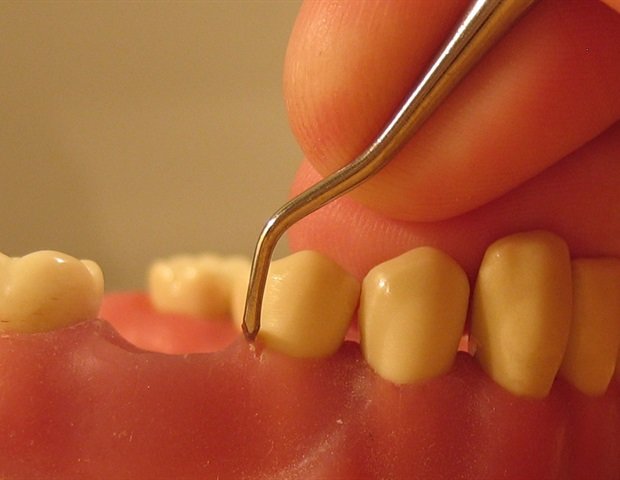
Researchers reviewed 26 European studies on smokeless tobacco (SNUS) and oral health in Sweden. The overall picture that emerges is complex. There is consistent evidence that snus can cause gum recession, especially in the area where the snus is applied. Some older studies have reported more gum inflammation among traditional snus users, even after accounting for plaque levels. The risk of gum recession is lower with partial snus than with loose snus. New types of potion products may further reduce risk.
No clear evidence of periodontal disease
One of the researchers behind this study is Mats Jontel, Professor Emeritus of Oral Medicine and Pathology at the Sahlgrenska Academy, University of Gothenburg.
“circleWhen considered together, the evidence shows that snus affects the gums locally. It’s not just a problem of the part that puts pressure on the tissue. There also appears to be an inflammatory response that causes bone resorption, causing the gums to recede over time. However, there is no clear evidence that it leads to destructive periodontal disease (a type of condition in which teeth gradually lose their attachment to the jawbone).” says Mats Jontel.
Regarding tooth decay, the results are contradictory. Some studies report that traditional snus users are more likely to experience clogged teeth and cavities, while others find no difference. Therefore, taken together, it cannot be concluded that traditional snus itself increases the risk of tooth decay.
risks during pregnancy
One of the large studies included in this review shows that children born to women who used traditional snus during pregnancy tended to have an increased risk of being born with a cleft palate compared to children of non-users. Women who stopped snus use before their first prenatal care visit did not have an increased risk.
Maria Bankvall is a senior lecturer in dentistry at the Faculty of Health and Welfare at Jönköping University and co-author of the following study:
”Although this indicates increased risk rather than proof of causation, it is an important signal from a public health perspective. The use of nicotine products during pregnancy is not without risk, as snus use is increasing, especially among young women.” says Maria Bancval.
Big knowledge gap about white snus
The main knowledge gap identified by the researchers concerns new tobacco-free nicotine pouches, often referred to as white snus. Recently, tobacco-free nicotine pouches have replaced traditional snus, and their use is rapidly increasing, especially among young people and women. However, there is virtually no research on how these products affect oral health in the long term. Preliminary research suggests that white snus may cause changes in the oral mucosa that are different from those previously observed.
Most of the studies in the review are observational and therefore cannot establish causality. Lifestyle, oral health, and socio-economic factors can influence results. However, by summarizing the available research, this review provides an up-to-date picture of what is supported by the evidence and where the greatest uncertainties remain.
This review is based on a systematic analysis of studies published in several scientific databases, and researchers assess the quality of material before including it. The study was funded by an independent research fund with no connection to tobacco products or white snus and was published in the scientific journal Acta Odontologica Scandinavica.
sauce:
Reference magazines:
Jontel, M., Bankvall, M. (2026). Smokeless tobacco and its effects on oral health in Sweden: a systematic review. Acta Odontologica Scandinavica. DOI: 10.2340/aos.v85.45421. https://medicaljournalssweden.se/actaodontologica/article/view/45421
