


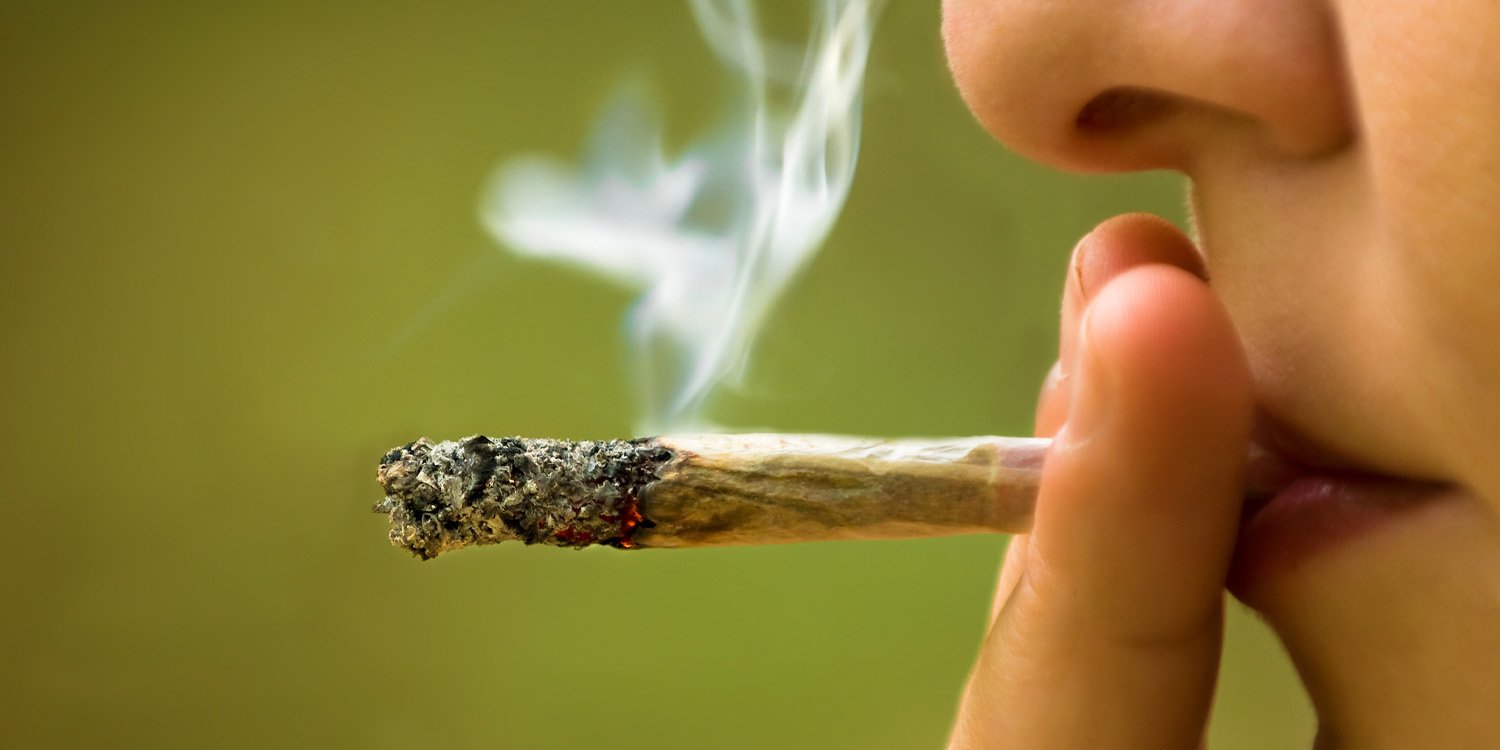
Smoking cannabis directly reduced the amount of alcohol consumed by heavy drinkers during a controlled laboratory experiment. This study shows that acute marijuana intoxication can reduce the immediate urge to drink and delay the onset of alcohol intake. These findings were published in the American Journal of Psychiatry.
Public health experts closely track the simultaneous use of alcohol and cannabis. With the expansion of legalization across the country, marijuana has become the most popular psychoactive substance for alcohol drinkers after tobacco. Many people practice both habits, and there is a strong overlap between those who struggle with alcohol use and those who face regulation of their cannabis intake.
In recent years, a social trend has emerged where people are looking to manage their alcohol habits instead of cannabis. In pop culture, this practice is sometimes referred to as “California sobriety.” The move is consistent with broader efforts towards harm reduction and is facilitating the rapid expansion of the market for cannabis-infused beverages sold as alternatives to alcohol.
Despite this cultural shift, observational studies to date have yielded conflicting results regarding how cannabis affects alcohol consumption. Some studies suggest that cannabis use increases alcohol consumption and worsens treatment outcomes in people trying to quit alcohol. Other studies have shown that people drink less on days when they use cannabis before consuming alcohol.
Observational data can only reveal associations, not direct cause and effect. To find more specific answers, researchers needed a controlled environment to observe how cannabis changes drinking behavior in real time. Jane Metric, a researcher at Brown University School of Public Health, led a team of scientists to examine this dynamic.
The research team recruited 157 adults aged 21 to 44 from the local community. These participants reported episodic heavy drinking at least once a month. They also used cannabis at least twice a week.
Metrik and her colleagues utilized a double-blind crossover experimental design. This structure meant that participants came to the lab after strictly abstaining from both substances. Across three completely separate experiments, participants underwent different test conditions that served as their own baseline controls.
During the session, laboratory staff provided participants with cannabis cigarettes. Depending on the day, the cigarettes contained a placebo with virtually no active ingredient, a medium dose of 3.1 percent delta-9-tetrahydrocannabinol, or a higher dose of 7.2 percent delta-9-tetrahydrocannabinol. Medical staff monitored his blood pressure and heart rate while taking blood samples to check the level of intoxication.
After smoking, participants underwent a cue-reactivity procedure. The researchers took them to a neutral room and gave them a glass of water to sniff and drink. Staff then took participants to a simulated bar environment and presented them with their favorite alcoholic beverages to assess their cravings.
After cue exposure, participants completed a 2-h alcohol selection task in a simulated bar. Staff provided subjects with the opportunity to consume up to eight miniature alcoholic beverages. To mimic real-world decision-making, the researchers offered participants a financial incentive of $3 for each drink they left on the table.
Physiological measurements confirmed that the cannabis dosage worked as intended. Both medium and high doses increased participants’ heart rates and increased subjective feelings of intoxication, euphoria, and alertness. The placebo condition produced no such changes in mood or biology.
When drinking cravings were measured, the results painted a mixed picture. The researchers used a standard multipoint questionnaire to grade alcohol craving, but overall scores showed no statistically significant differences between the three cannabis conditions. However, when asked a single, targeted question about their immediate urge to drink alcohol, participants reported a significant decrease in desire immediately after smoking high concentrations of cannabis.
The most decisive changes appeared during the simulated bar task. Following the placebo cigarette, participants consumed the highest amount of alcohol. When participants smoked moderate amounts of cannabis, their alcohol intake decreased by 19% compared to the placebo day.
Higher doses produced even greater reductions. Participants who smoked 7.2 percent cannabis cigarettes consumed 27 percent less alcohol than under the placebo condition. The difference in alcohol consumption between the two active cannabis doses was not statistically significant.
As cannabis concentrations increased, the timing of drinking behavior changed as well as the amount consumed. Compared to the placebo day, smoking stronger cannabis delayed the decision to start drinking by an average of 48 percent. Participants waited more than 30 minutes before starting to drink, but started drinking much faster when given a dummy cigarette.
Researchers believe that a satiety effect may explain these changes in behavior. People who combine alcohol and cannabis often do so to reach a certain level of intoxication. Once a person achieves the desired state of mind by smoking cannabis, the motivation to seek further impairment through alcohol may naturally decrease.
Brain chemistry may also play a large role in these results. The main active compounds in cannabis act on the endocannabinoid system, the human body’s natural chemical network that regulates reward processing and motivation. Chronic exposure to cannabis causes the brain to reduce the density of these chemoreceptors in an attempt to maintain balance.
Almost all participants in this study used cannabis on a regular basis. The forced abstinence period before administration of the placebo may have put them into a mild state of withdrawal. This sudden deprivation may have increased the rewarding value of alcohol, leading people to consume more drinks on placebo days than when their brain receptors were filled with active cannabis joints.
The findings of this study have several limitations. The cannabis distributed in this study contained much lower concentrations of active compounds than the products currently predominant in commercial dispensaries. The experiment also specifically tested sequential use in which participants smoked marijuana before drinking, rather than consuming it simultaneously or combining it with an initial alcohol prime.
Medical experts recommend being cautious about these results. Although the findings of this study show a clear reduction in immediate drinking, this does not mean that replacing alcohol with cannabis is a safe and proven medical treatment. Clinicians advise against considering cannabis as a primary harm reduction strategy for severe alcohol problems until long-term trials plan for the long-term safety and effectiveness of alternative models.
The study, “Acute Effects of Cannabis on Alcohol Craving and Consumption: A Randomized Controlled Crossover Trial,” was authored by Jane Metric, Elizabeth R. Aston, Rachel L. Gunn, Robert Swift, James McKillop, and Christopher W. Koehler.
