


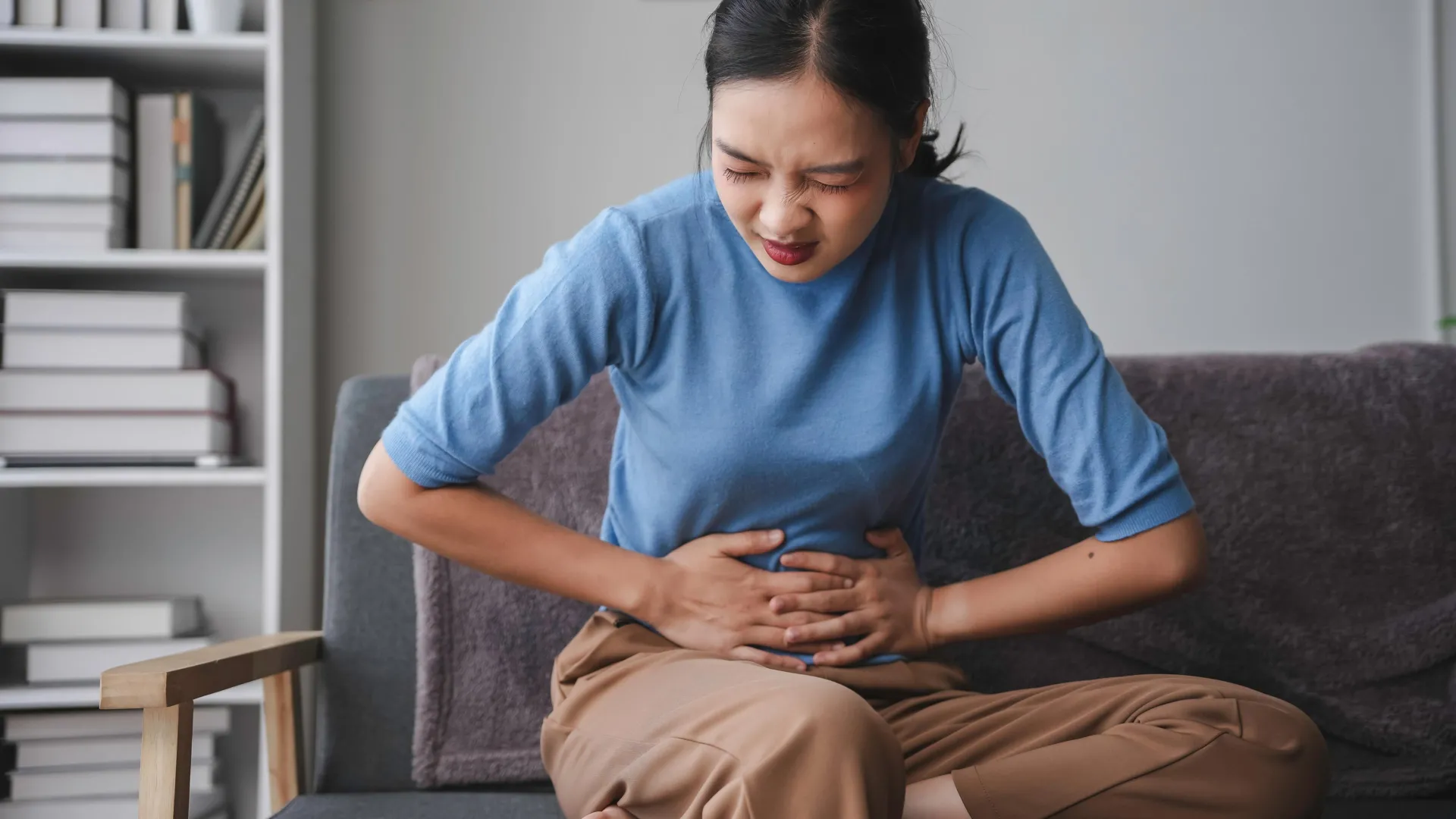
Irritable bowel syndrome (IBS) is a widespread digestive disorder that affects the gastrointestinal tract. It occurs more often in women and causes symptoms such as abdominal pain, constipation, and diarrhea. The exact cause of IBS is still unknown. However, scientists believe that conditions within the gut, such as the gut microbiome and the chemical messenger serotonin, play an important role.
Serotonin is widely recognized as a neurotransmitter in the brain that influences mood. But more than 90 percent of the body’s serotonin is actually produced in the gut. There, it regulates intestinal activity through the enteric nervous system, often referred to as the “gut brain.”
Previous research has shown that the bacteria that live in your gut, collectively known as your gut microbiome, can influence the amount of serotonin your body produces. But until recently, researchers didn’t know whether gut bacteria themselves could produce biologically active serotonin.
Intestinal bacteria that produce serotonin
In a new study published in the journal cell reportresearchers identified two bacterial species that can work together to produce serotonin. Bacteria are Limosylactobacillus mucosae and Rigilactobacillus luminis.
To test their effectiveness, scientists introduced these bacteria into germ-free mice that lacked normal serotonin levels. After adding the microorganisms, serotonin levels in the animals’ intestines increased. The number of nerve cells in the colon also increased, and the time it took for food to move through the intestines returned to normal.
“It is of great interest how gut bacteria can produce bioactive signaling molecules that influence health,” says Fredrik Behed, professor of molecular medicine at the Sahlgrenska Academy at the University of Gothenburg and one of the study’s lead authors.
Possibility of new treatment for IBS
Researchers also found that IBS patients had lower levels of either of these bacteria (L. mucosa) in their stool samples compared to healthy people. This bacterium contains the enzyme needed to produce serotonin.
Magnus Simlen is Professor of Gastroenterology at Sahlgrenska Academy, University of Gothenburg.
“Our results show that certain gut bacteria can produce bioactive serotonin, thereby playing an important role in gut health and opening new avenues for the treatment of functional gastrointestinal disorders such as IBS,” he says.
“Our findings show that gut bacteria can form signal transducers such as serotonin. This could be the key to understanding how the gut and the bacteria that live there influence our brains and behavior,” concludes Fredrik Behed.
