


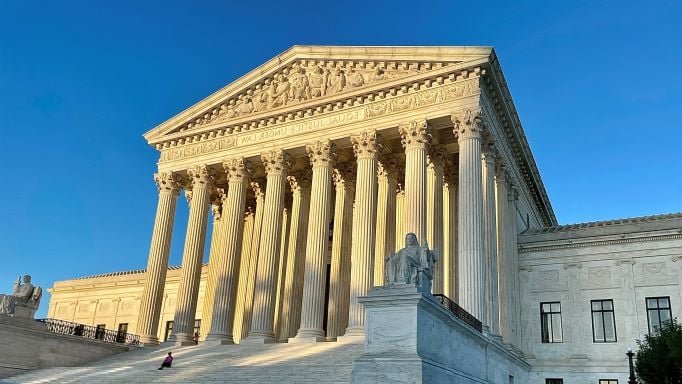
A high-profile drug fraud case that could potentially throw the pharmaceutical industry into the legal realm of the Racketeering Influenced and Corrupt Organizations Act (RICO) has been allowed to proceed by order from the Supreme Court of the United States (SCOTUS).
RICO charges are typically limited to parties involved in organized crime schemes, but the cases targeting Takeda Pharmaceuticals and Eli Lilly seek to prove that drug companies may also be subject to the charges. In a recently updated document, the Supreme Court threw out the drug companies’ arguments in the lawsuit and denied their request for review in a March 23 order. The order means the lower court’s findings recognizing the legal structure of the case can proceed.
The lawsuit is a class action lawsuit over Takeda Pharmaceutical’s Type 2 diabetes drug Actos (pioglitazone), which was approved in 1999 and co-promoted by Lilly until 2006. The drug was a huge hit for Takeda Pharmaceuticals, but it sparked controversy as concerns abounded over its safety, as it was linked to an increased risk of bladder cancer.
Lawsuits soon followed, with plaintiffs targeting the companies selling the drug, which they said were aware of the risks. Takeda ultimately agreed to pay $2.7 billion in 2015 to resolve “the majority” of Actos’ liability lawsuits, but the company continued to insist it “acted responsibly” in promoting the drug. Lilly is also involved in a growing number of Actos lawsuits, but according to Lilly’s annual report (PDF), an agreement between former partners guarantees that Takeda will “defend and indemnify” Lilly against losses and expenses associated with the litigation.
what is the problem
The personal injury law firm Wisner Baum, which has fought many high-profile pharmaceutical legal battles and has ties to U.S. Department of Health and Human Services Secretary Robert F. Kennedy Jr., spearheaded the effort to bring RICO charges against the makers of Actos, accusing Takeda and Lilly of engaging in a decade-long conspiracy to conceal the drug’s bladder cancer risks through a “pattern of racketeering activity,” including mail fraud, wire fraud, and “fraudulent use.” Interstate facilities engaged in illegal activities. ”
This case is the most advanced national RICO class action lawsuit involving a pharmaceutical company that has not yet been settled. A 2023 ruling by a California court opened the door to RICO by recognizing a national class of third-party payors seeking damages under racketeering laws and naming Minnesota Painters and United Trade District Council 82 Health Care Fund as representative of thousands of third-party payers who allegedly overpaid for Actos prescriptions.
The Ninth Circuit Court of Appeals upheld this finding last year, further paving the way for a possible jury trial. RICO lawsuits are known to result in high compensation payments, as the court may award “treble damages,” which is three times the amount of economic damages. Wisner Baum said the lawsuit could cost Takeda and Lilly more than $7 billion.
Mr. Takeda and Mr. Lilly challenged these lower court decisions on appeal to the Supreme Court, arguing that the lawsuit should not proceed because the plaintiff class may include parties who have not proven they have been harmed.
While the Supreme Court’s order leaves Takeda and Lilly’s defense at their mercy, Lilly remains prepared to “continue to vigorously defend this case in district court,” a company spokesperson said in an emailed statement, adding, “We are disappointed that the Supreme Court has denied this opportunity to clarify the law on these important issues.”
“The Ninth Circuit’s opinion produced two unacceptable results that are at odds with other circuits: it certified a class that included uninjured plaintiffs without requiring any way to know who those plaintiffs were, and it permitted a generalized model of likelihood of harm in place of individualized evidence that each class member was injured,” a Lilly spokesperson explained.
Meanwhile, Wisner Baum hailed the case as a “watershed moment” and hopes the case will go to trial in 2026.
“We stand ready to tell this story to a jury and recover the billions of dollars that Takeda and Lilly stole from their customers and all those similarly situated,” Brent Wisner, the firm’s managing partner who is in charge of deliberating the national class action lawsuit, said in a June press release.
Takeda declined Fierce Pharma’s request for comment regarding the ongoing litigation.
Actos’ link to bladder cancer was verified by the FDA in 2010 when the agency issued a safety alert warning of the potential risks. After another review and label update in 2011, the agency formally concluded in 2016 that drugs containing pioglitazone “may be associated with an increased risk of bladder cancer.”
By 2012, the drug had become a generic drug, hurting sales of the blockbuster product that once made up most of Takeda’s revenue. The Japanese drugmaker no longer reports sales for Actos and has recently shed some diabetes drugs and instead focused on its core business areas.
