

Close Menu

    Subscribe to Updates

    Get the latest creative news from FooBar about art, design and business.

    What's Hot

    Astronomers use chemical clues to reconstruct galaxy’s 12 billion-year history

    March 24, 2026

    DNA reveals two new bass species hiding in plain sight

    March 24, 2026

    Sperm whales head-butting each other caught on camera for the first time

    March 24, 2026
    Facebook X (Twitter) Instagram
    Facebook X (Twitter) Instagram
    Health Magazine
    • Home
    • Environmental Health
    • Health Technology
    • Medical Research
    • Mental Health
    • Nutrition Science
    • Pharma
    • Public Health
    • Discover
      • Daily Health Tips
      • Financial Health & Stability
      • Holistic Health & Wellness
      • Mental Health
      • Nutrition & Dietary Trends
      • Professional & Personal Growth
    • Our Mission
    Health Magazine
    Home » News » Scientists discover similarities between brain aging in mice and humans
    Discover

    Scientists discover similarities between brain aging in mice and humans

    healthadminBy healthadminMarch 24, 2026No Comments4 Mins Read
    Scientists discover similarities between brain aging in mice and humans
    Share
    Facebook Twitter Reddit Telegram Pinterest Email


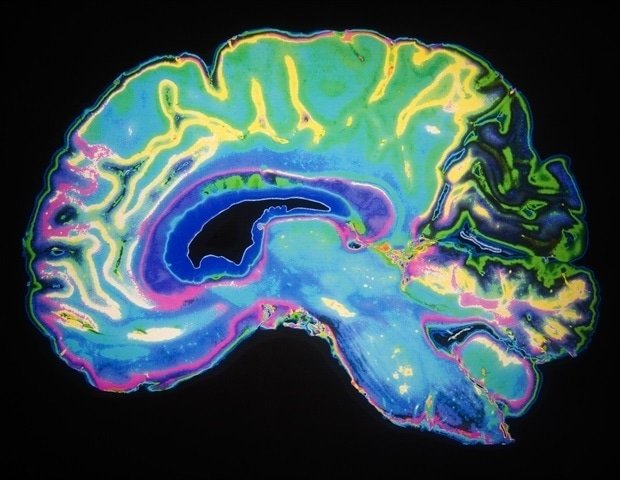
    By scanning the brains of mice over their lifetime, scientists at Columbia University’s Zuckerman Institute and the University of Texas at Dallas found that the human brain is not unique in how it changes as we age. These findings may one day help researchers pinpoint the mechanisms in humans that cause age-related brain decline, making humans vulnerable to, or resilient to, disease and disability.

    Their study was published online today. Proceedings of the National Academy of Sciences.

    The discovery that human and mouse brains age in similar ways may one day help scientists understand the factors underlying brain changes during aging. This knowledge can help researchers find strategies that might slow, stop, or even reverse these declines.

    “By looking at mice, we can see, for example, whether changes in diet when young have an impact in old age. We don’t have to wait 80 years to see results like we do in humans,” said study co-author Dr. Itamar Khan, principal investigator at Columbia University’s Zuckerman Institute and associate professor of neuroscience at Columbia University’s Vagelos College of Physicians and Surgeons.

    The human brain, our most complex organ, functions as a network of interconnected modules specialized for tasks such as color perception and face recognition. Previous studies have found that these modules become less specialized with age and that their dysfunction is associated with poor memory and other cognitive decline.

    Much remains unknown about the chemical and cellular mechanisms underlying this age-related decline in brain function, and how genes, lifestyle, environment, and medicine alter its trajectory. To uncover this mystery, in the new study, researchers used a non-invasive technique called functional magnetic resonance imaging (fMRI) to scan the brains of 82 mice at several intervals from 3 to 20 months of age, roughly equivalent to a human age of 18 to 70.

    fMRI is an imaging method that detects changes in blood flow to the brain. But the mouse brain is about 3,000 times smaller in volume than a human brain, so the researchers needed a special strategy for imaging. For example, scientists used fMRI scanners with magnetic fields more than three times stronger than those commonly used by humans, allowing them to image finer details.

    Dr. Kahn’s lab is one of the few in the world that can take images of the brains of mice while they are awake, as most people are during MRI exams.

    Scientists have discovered that, just like in humans, aging mice have reduced interactions between various specialized brain modules.

    “The way the brain’s modules relate to each other as a whole is a measure of brain health, and it seems to apply to both humans and mice alike,” said study lead author Ezra Winter Nelson. Ezra Winter Nelson is a doctoral student in the lab, said co-senior author Dr. Gagan Wiig, associate professor of psychology at the University of Texas at Dallas.

    Scientists also discovered significant differences between human and mouse brains. For example, mouse brain modules did not communicate with each other as much as human brain modules.

    “We believe that greater integration across human brain networks may contribute to aspects of cognition that are particularly well-developed in humans,” Dr. Wigg said.

    Furthermore, the decline in specialization of brain modules in humans was faster than in mice. “Thus, we humans have the ability to integrate information across more widely distributed parts of the brain, which may make us more vulnerable to declines in brain and cognitive function when compared to mice,” Dr. Wigg added.

    The researchers noted that they only investigated one type of laboratory mouse. “We know that there are other types of mice that show variation in their response to aging,” Dr. Kahn said. “So we want to look at other types of mice to understand how genetics influences aging trajectories.”

    Dr. Khan says these findings open up ways to study brain aging that are not possible in humans. Scientists can use the advanced research tools available today to investigate the effects of genetics, environment, and other factors on age-related decline in mice.

    Previous mouse neuroscience research has been criticized for often not having clinical relevance in humans. Much of the previous research has focused on changes seen at the cellular level.

    “What we’re doing is looking at the brain at the network level,” Dr. Khan said. “We believe that looking at both the cellular and network levels in mice could prove good for developing treatments that actually work in humans.”

    sauce:

    Columbia University Zuckerman Institute

    Reference magazines:

    DOI: 10.1073/pnas.2527522123


    Source link

    Visited 1 times, 1 visit(s) today
    Share. Facebook Twitter Pinterest LinkedIn Telegram Reddit Email
    Previous ArticleStudy revises understanding of neutrophil dynamics during respiratory virus infection
    Next Article Women over 50 lost more than 35% of their weight with this amazing combination
    healthadmin

    Related Posts

    Study revises understanding of neutrophil dynamics during respiratory virus infection

    March 24, 2026

    Learning loss due to COVID-19 could deepen class disparities for years

    March 24, 2026

    Mediterranean diet may protect health through mitochondrial microproteins

    March 24, 2026

    Snus linked to gum damage, but risk of cavities unknown

    March 24, 2026

    New model uses blood and microbiome to predict biological age

    March 24, 2026

    AI-powered ultrasound analysis identifies high-risk heart failure cases

    March 23, 2026
    Add A Comment
    Leave A Reply Cancel Reply

    Categories

    • Daily Health Tips
    • Discover
    • Environmental Health
    • Exercise & Fitness
    • Featured
    • Featured Videos
    • Financial Health & Stability
    • Fitness
    • Fitness Updates
    • Health
    • Health Technology
    • Healthy Aging
    • Healthy Living
    • Holistic Healing
    • Holistic Health & Wellness
    • Medical Research
    • Medical Research & Insights
    • Mental Health
    • Mental Wellness
    • Natural Remedies
    • New Workouts
    • Nutrition
    • Nutrition & Dietary Trends
    • Nutrition & Superfoods
    • Nutrition Science
    • Pharma
    • Preventive Healthcare
    • Professional & Personal Growth
    • Public Health
    • Public Health & Awareness
    • Selected
    • Sleep & Recovery
    • Top Programs
    • Weight Management
    • Workouts
    Popular Posts
    • the-pros-and-cons-of-paleo-dietsThe Pros and Cons of Paleo Diets: What Science Really Says April 16, 2025
    • Improve Mental Health10 Science-Backed Practices to Improve Mental Health… March 11, 2025
    • How Healthy Living Is Transforming Modern Wellness TrendsHow Healthy Living Is Transforming Modern Wellness… December 3, 2025
    • "The Best Daily Health Apps to Track Your Wellness Goals"The Best Daily Health Apps to Track Your Wellness… August 15, 2025
    • daily vitamin D needsWhy Sunlight Is Crucial for Your Daily Vitamin D Needs June 12, 2025
    • Healthy Living: Expert Tips to Improve Your Health in 2026Healthy Living: Expert Tips to Improve Your Health in 2026 November 16, 2025

    Demo
    Stay In Touch
    • Facebook
    • Twitter
    • Pinterest
    • Instagram
    • YouTube
    • Vimeo
    Don't Miss

    Astronomers use chemical clues to reconstruct galaxy’s 12 billion-year history

    By healthadminMarch 24, 2026

    A team of astronomers led by the Center for Astrophysics | Harvard University and Smithsonian…

    DNA reveals two new bass species hiding in plain sight

    March 24, 2026

    Sperm whales head-butting each other caught on camera for the first time

    March 24, 2026

    Surprising foam discovery could change everyday products

    March 24, 2026

    Subscribe to Updates

    Get the latest creative news from SmartMag about art & design.

    HealthxMagazine
    HealthxMagazine

    At HealthX Magazine, we are dedicated to empowering entrepreneurs, doctors, chiropractors, healthcare professionals, personal trainers, executives, thought leaders, and anyone striving for optimal health.

    Our Picks

    Surprising foam discovery could change everyday products

    March 24, 2026

    Women over 50 lost more than 35% of their weight with this amazing combination

    March 24, 2026

    Scientists discover similarities between brain aging in mice and humans

    March 24, 2026
    New Comments
      Facebook X (Twitter) Instagram Pinterest
      • Home
      • Privacy Policy
      • Our Mission
      © 2026 ThemeSphere. Designed by ThemeSphere.

      Type above and press Enter to search. Press Esc to cancel.