


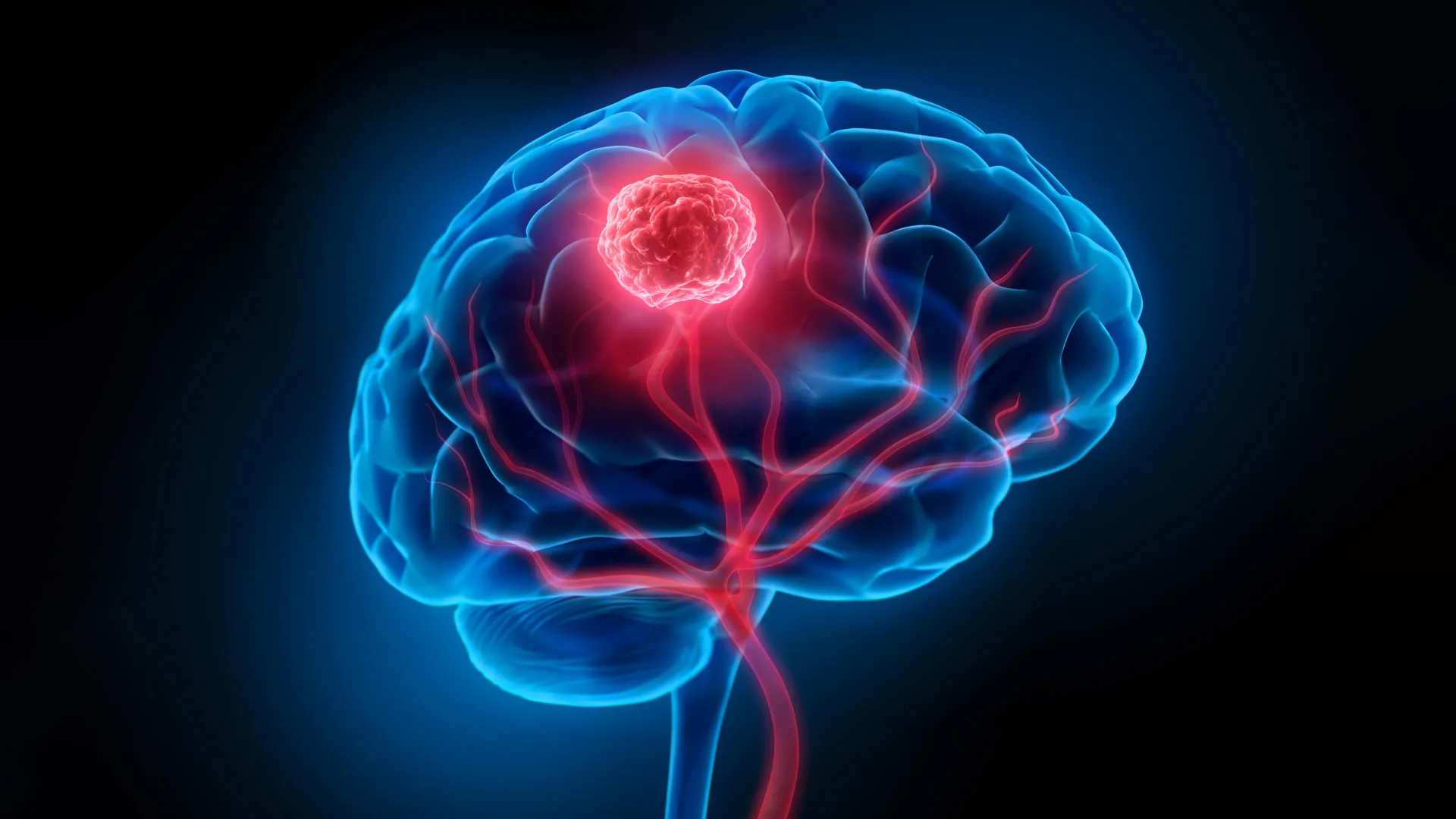
A Canadian research team has identified a new way to slow the growth of glioblastoma, the most aggressive and currently untreatable type of brain tumor, and also pointed to existing drugs that could be used to treat it.
The study revealed that some brain cells previously thought to only support normal nerve function may actually help glioblastomas grow and spread. These cells send signals that strengthen tumor cells. When scientists blocked this communication in a laboratory model, tumor growth was significantly reduced.
This finding also highlights potential therapeutic opportunities. Researchers have found that drugs already used to treat HIV may be able to interfere with this process, potentially providing a new option for patients who currently have very limited treatment options. The outlook for glioblastoma is poor, with survival often lasting several months.
Research content and research team
The study, published in Neuron, was conducted by scientists at McMaster University and the Hospital for Sick Children (SickKids). Co-lead authors are Kui Zai, a research scientist in McMaster’s Shin lab, and Nick Mikolasiewicz, who was a postdoctoral fellow in Sick Kids’ Moffat lab during the study.
“Glioblastoma is not just a bunch of cancer cells, it’s an ecosystem,” says Sheila Singh, co-senior author of the study and professor of surgery at McMaster University. “By deciphering how these cells communicate with each other, we discovered vulnerabilities that could be targeted by drugs already on the market,” added Singh, who is also director of McMaster’s Center for Cancer Research and Discovery.
Oligodendrocytes and tumor communication
Scientists have long known that glioblastomas rely on networks of interacting cells to grow. Interrupting these connections can slow the progression of the disease. The study focused on identifying which specific brain cells were involved.
The researchers found that oligodendrocytes, which normally protect nerve fibers, can change their behavior and start supporting tumor growth. These cells communicate with cancer cells through defined signaling systems, creating conditions that help tumors survive and spread. When this signaling is blocked in laboratory models, tumor growth is significantly slowed, demonstrating how important this interaction is.
Existing HIV drugs offer new hope
A key part of this signaling process involves a receptor called CCR5. This receptor is already the target of an HIV drug known as maraviroc. Because the drug is already approved and widely used, it could be repurposed more quickly to treat glioblastoma.
“The cellular ecosystem within glioblastoma is much more dynamic than previously understood. By uncovering a key part of the cancer’s biology, we have also identified potential therapeutic targets that can be addressed with existing drugs. This discovery suggests that blocking this pathway “This opens up a promising avenue to explore whether we can accelerate progress toward new treatment options for patients,” said study co-author and senior scientist Jason Moffat, head of SickKids’ genetics and genome biology program.
Building on previous discoveries
These findings build on previous research by Singh and Moffat, published in Nature Medicine in 2024, which showed that cancer cells can spread using pathways normally used during brain development. Together, these studies point to a new direction in glioblastoma research that focuses on disrupting the communication systems that tumors rely on.
This research was supported by a 2020 William Donald Nash Brain Tumor Research Fellowship and the Canadian Institutes of Health Research. Singh holds the Canadian Tier 1 Research Chair in Human Cancer Stem Cell Biology, and Moffat holds the GlaxoSmithKline Chair in Genetics and Genome Biology at Children’s Hospital.
