

Close Menu

    Subscribe to Updates

    Get the latest creative news from FooBar about art, design and business.

    What's Hot

    Most of our daily actions are done on autopilot, according to scientists

    March 7, 2026

    Scientists discover tiny marine fungus that kills toxic algae

    March 6, 2026

    How trigger warning language changes our psychological responses

    March 6, 2026
    Facebook X (Twitter) Instagram
    Facebook X (Twitter) Instagram
    Health Magazine
    • Home
    • Environmental Health
    • Health Technology
    • Medical Research
    • Mental Health
    • Nutrition Science
    • Pharma
    • Public Health
    • Discover
      • Daily Health Tips
      • Financial Health & Stability
      • Holistic Health & Wellness
      • Mental Health
      • Nutrition & Dietary Trends
      • Professional & Personal Growth
    • Our Mission
    Health Magazine
    Home » News » Scientists discover brain protein that causes cocaine relapse
    Nutrition Science

    Scientists discover brain protein that causes cocaine relapse

    healthadminBy healthadminMarch 6, 2026No Comments4 Mins Read
    Share
    Facebook Twitter Reddit Telegram Pinterest Email


    Relapse to cocaine use is not simply a matter of weak willpower. New research shows that persistent biological changes in the brain may be to blame. Scientists have found that cocaine use changes the brain’s circuitry and can make it very difficult to resist the urge to return to the drug.

    Researchers at Michigan State University have discovered that cocaine changes the function of the hippocampus. This area of ​​the brain plays an important role in memory and learning. Their research was supported by the National Institutes of Health. scientific progressexplains why cocaine dependence is so difficult to treat and points to new drugs that may help.

    “Addiction is a disease in the same sense as cancer,” said lead author AJ Robison, professor of neuroscience and physiology. “Just like we need to find a cure for cancer, we need to find better treatments to help addicts.”

    Why it’s hard to quit cocaine

    Cocaine addiction affects at least 1 million people across the United States, but there are currently no FDA-approved drugs specifically designed to treat cocaine addiction. Unlike opioids, stopping cocaine use usually does not cause severe physical withdrawal symptoms. Yet, it is still very difficult to quit.

    The reason for this is the effect that cocaine has on the brain. This drug floods your reward center with dopamine, a chemical associated with pleasure and motivation. This surge creates powerful positive reinforcement, causing the brain to interpret cocaine use as beneficial rather than harmful.

    Even if someone is able to stop using cocaine, relapse rates remain high. Approximately 24% of people return to weekly cocaine use, and an additional 18% re-enroll in treatment within a year.

    Protein that drives cocaine craving

    Andrew Eagle, the study’s lead author and a former postdoctoral fellow in Robison’s lab, identified a key factor behind this persistent motivation. This molecule is a protein called DeltaFosB.

    To investigate its role, Eagle used a specialized form of CRISPR technology to study how DeltaFosB affects specific brain circuits when mice are exposed to cocaine.

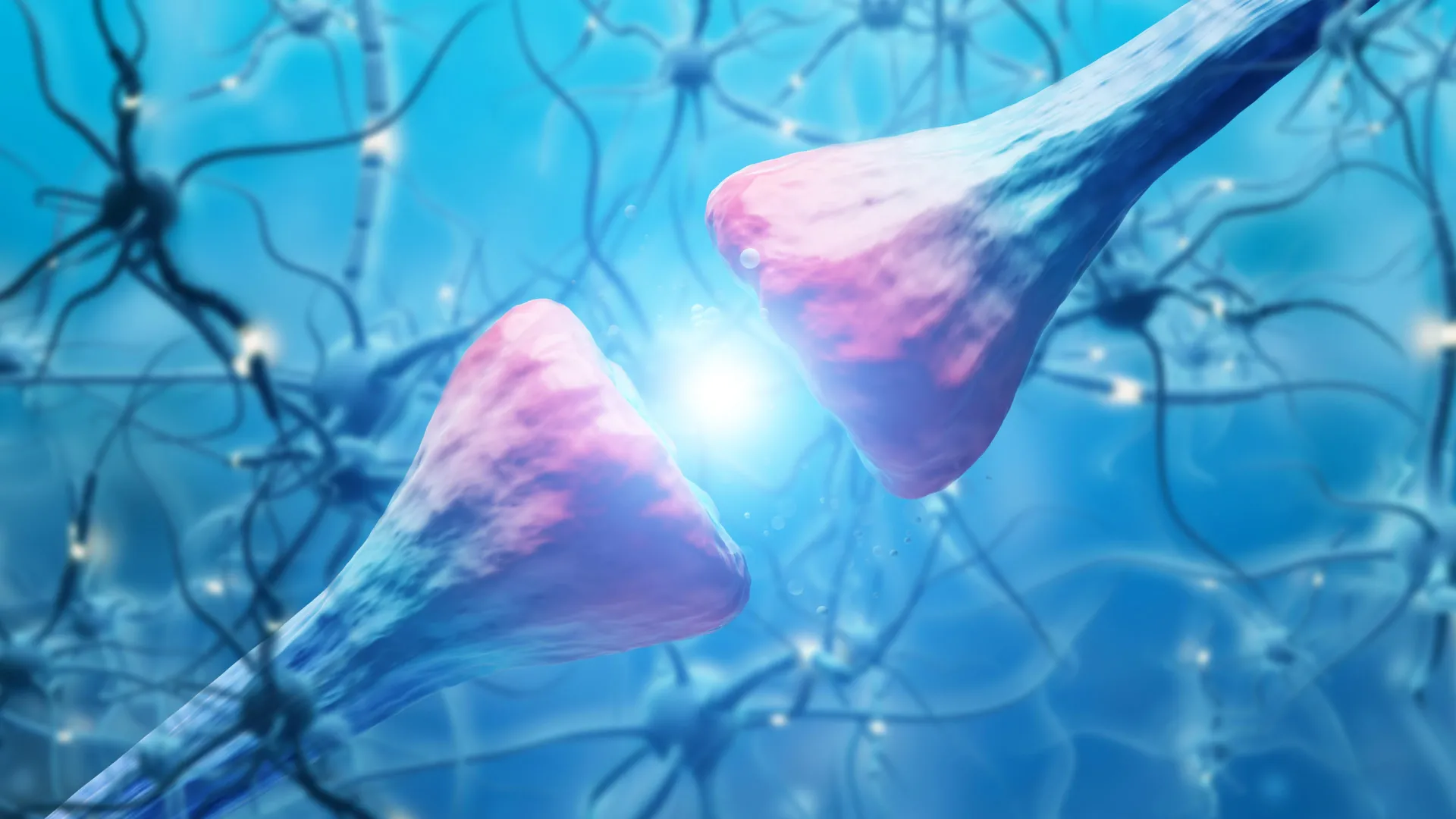
    Experiments using mouse models revealed that DeltaFosB functions like a genetic switch. It activates or suppresses genes in the circuit that connects the brain’s reward center with the hippocampus, which acts as the brain’s memory hub. Continued cocaine use causes proteins to build up in this circuit. As its levels increase, the behavior of neurons changes and the response of circuits to drugs changes.

    “This protein is not only involved in these changes, but is necessary for them,” Eagle said. “Without it, cocaine wouldn’t cause the same changes in brain activity or the same strong urges to seek the drug.”

    Genes that enhance the search for cocaine

    The researchers also identified additional genes regulated by DeltaFosB after chronic cocaine exposure. One of these genes is calreticulin, which helps control how neurons communicate with each other.

    Their experiments showed that calreticulin increases activity in brain pathways that encourage individuals to keep seeking cocaine, effectively accelerating brain processes that reinforce addiction.

    Potential targets for future treatments

    Although the study was conducted in mice, the results may also apply to humans, as many of the same genes and neural circuits are shared across species.

    Robison’s team is currently working with researchers at the University of Texas Medical Branch in Galveston, Texas, to develop compounds that specifically target DeltaFosB. The project is supported by a grant from the National Institute on Drug Abuse and focuses on creating and testing molecules that can control how DeltaFosB binds to DNA.

    “If we can find the right kind of compound that works in the right way, it could be a treatment for cocaine addiction,” Robison said. “That’s many years away, but that’s the long-term goal.”

    Future research on gender differences in addiction

    The next stage of research will investigate how hormones affect these brain circuits. The research team also plans to investigate whether cocaine affects the brains of men and women differently.

    Understanding these differences may shed light on why the risk of addiction may differ for men and women and may guide more individualized treatment approaches.


    Source link

    Visited 1 times, 1 visit(s) today
    Share. Facebook Twitter Pinterest LinkedIn Telegram Reddit Email
    Previous ArticleHow protecting nature makes the world safer
    Next Article How trigger warning language changes our psychological responses
    healthadmin

    Related Posts

    Most of our daily actions are done on autopilot, according to scientists

    March 7, 2026

    Scientists discover tiny marine fungus that kills toxic algae

    March 6, 2026

    Study finds cannabis compounds CBD and CBG may help reverse fatty liver disease

    March 6, 2026

    This ancient sea creature may already have had a brain

    March 6, 2026

    Astronomers discover giant cosmic sheet around the Milky Way

    March 6, 2026

    Study finds that reducing protein intake may slow liver cancer growth

    March 6, 2026
    Add A Comment
    Leave A Reply Cancel Reply

    Categories

    • Daily Health Tips
    • Discover
    • Environmental Health
    • Exercise & Fitness
    • Featured
    • Featured Videos
    • Financial Health & Stability
    • Fitness
    • Fitness Updates
    • Health
    • Health Technology
    • Healthy Aging
    • Healthy Living
    • Holistic Healing
    • Holistic Health & Wellness
    • Medical Research & Insights
    • Mental Health
    • Mental Wellness
    • Natural Remedies
    • New Workouts
    • Nutrition
    • Nutrition & Dietary Trends
    • Nutrition & Superfoods
    • Nutrition Science
    • Pharma
    • Preventive Healthcare
    • Professional & Personal Growth
    • Public Health
    • Public Health & Awareness
    • Selected
    • Sleep & Recovery
    • Top Programs
    • Weight Management
    • Workouts
    Popular Posts
    • the-pros-and-cons-of-paleo-dietsThe Pros and Cons of Paleo Diets: What Science Really Says April 16, 2025
    • Improve Mental Health10 Science-Backed Practices to Improve Mental Health… March 11, 2025
    • How Healthy Living Is Transforming Modern Wellness TrendsHow Healthy Living Is Transforming Modern Wellness… December 3, 2025
    • daily vitamin D needsWhy Sunlight Is Crucial for Your Daily Vitamin D Needs June 12, 2025
    • Healthy Living: Expert Tips to Improve Your Health in 2026Healthy Living: Expert Tips to Improve Your Health in 2026 November 16, 2025
    • The Science Behind Keto Diets: Is It Right for You?The Science Behind Keto Diets: Is It Right for You? April 11, 2025

    Demo
    Stay In Touch
    • Facebook
    • Twitter
    • Pinterest
    • Instagram
    • YouTube
    • Vimeo
    Don't Miss

    Most of our daily actions are done on autopilot, according to scientists

    By healthadminMarch 7, 2026

    A new study by researchers at the University of Surrey, the University of South Carolina…

    Scientists discover tiny marine fungus that kills toxic algae

    March 6, 2026

    How trigger warning language changes our psychological responses

    March 6, 2026

    Scientists discover brain protein that causes cocaine relapse

    March 6, 2026

    Subscribe to Updates

    Get the latest creative news from SmartMag about art & design.

    HealthxMagazine
    HealthxMagazine

    At HealthX Magazine, we are dedicated to empowering entrepreneurs, doctors, chiropractors, healthcare professionals, personal trainers, executives, thought leaders, and anyone striving for optimal health.

    Our Picks

    Scientists discover brain protein that causes cocaine relapse

    March 6, 2026

    How protecting nature makes the world safer

    March 6, 2026

    Study finds cannabis compounds CBD and CBG may help reverse fatty liver disease

    March 6, 2026
    New Comments
      Facebook X (Twitter) Instagram Pinterest
      • Home
      • Privacy Policy
      • Our Mission
      © 2026 ThemeSphere. Designed by ThemeSphere.

      Type above and press Enter to search. Press Esc to cancel.