


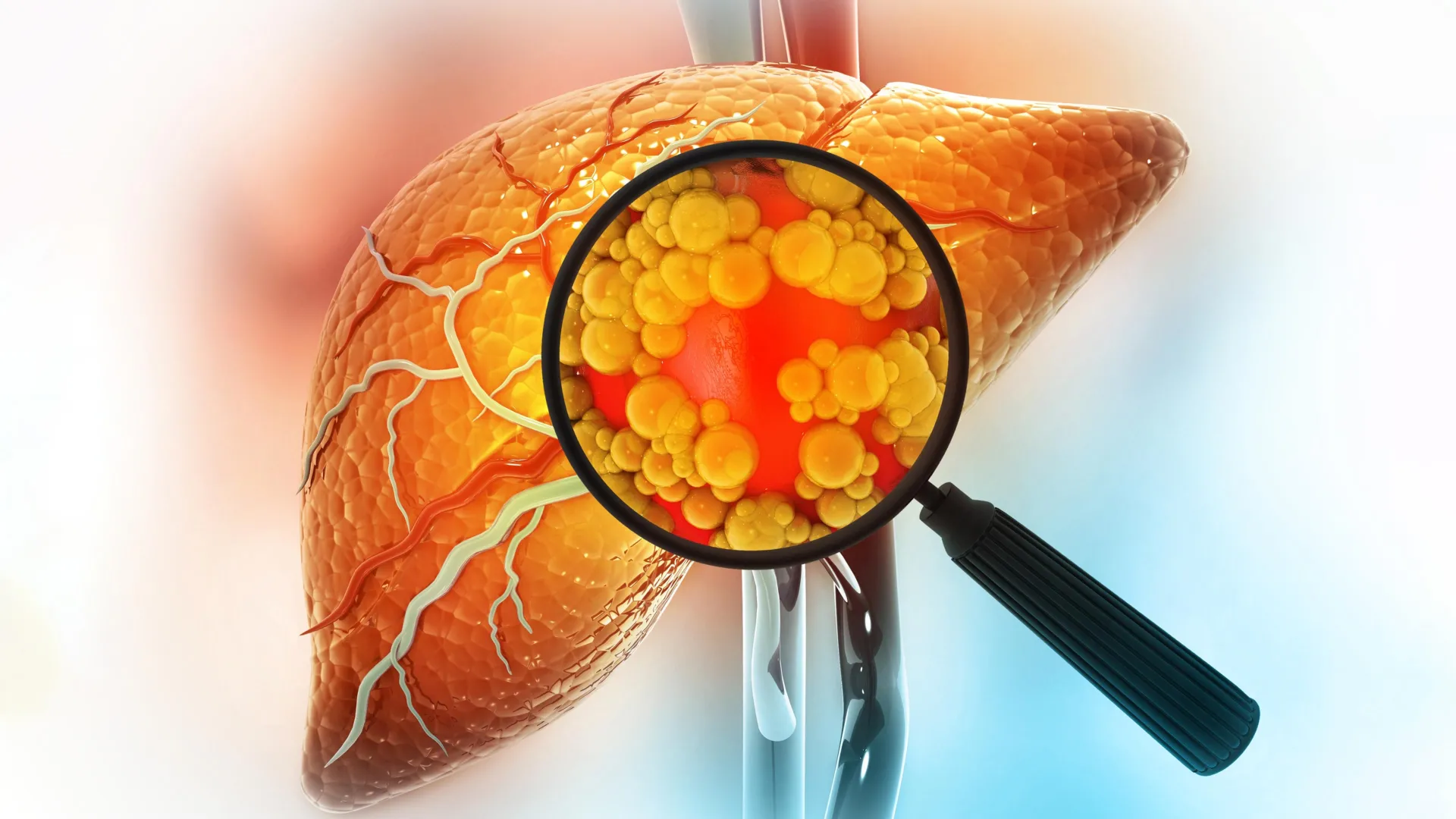
Scientists have discovered surprising risks associated with blocking a cellular enzyme once believed to protect against fatty liver disease. Blocking this enzyme may not be effective in the long term and may increase the likelihood of chronic liver damage and cancer as we age.
In a study published in scientific progressresearchers at the University of Adelaide discovered that loss of the enzyme caspase-2 causes liver cells to proliferate abnormally. This uncontrolled growth causes inflammation, scarring, and increases the chance of developing liver cancer.
These results question the growing interest in caspase-2 inhibitors as a therapy to manage or prevent fatty liver disease. The findings suggest that targeting this pathway may have unintended consequences over time.
Role of caspase-2 in hepatocyte stability
Caspase-2 is essential for keeping liver cells genetically stable, said Dr. Loretta Dostin, principal investigator at the Center for Cancer Biology. It also plays another role in regulating fat levels within the liver.
“Liver cells normally have extra copies of genetic material known as ploidy, and this feature helps the liver cope with stress, but our research shows that without the enzyme caspase-2, abnormally high levels of ploidy in the liver can be damaging,” Dr. Dostin said.
To investigate this further, scientists used genetically modified mice. Animals lacking the enzyme or carrying non-functional versions had abnormally large liver cells and significant genetic and cellular damage.
Long-term damage and tumor formation
“Over time, these mice developed chronic liver inflammation and developed hallmarks of hepatitis-like liver disease, including scarring, oxidative damage, and a type of cell death associated with inflammation. As the mice got older, they were much more likely to develop liver cancer.”
Older mice without functional caspase-2 developed liver tumors much more frequently than normal mice. In some cases, cancer incidence was up to four times higher, consistent with hepatocellular carcinoma.
Dr. Dorstyn noted that this finding challenges the assumption that inhibition of caspase-2 is always beneficial.
“Although inhibiting this enzyme may protect young animals or help prevent fatty liver disease in the short term, our study shows that long-term loss of this enzyme is clearly harmful.
“Our research shows that caspase-2 is essential for removing damaged and abnormal liver cells as we age. Without caspase-2, these cells accumulate and become cancerous, while creating an environment in the liver that favors cancer development.”
Effects on fatty liver treatment and drug development
Lead author Professor Sharad Kumar said the results contained important warnings for future treatments.
“There is significant interest in targeting caspase-2 to treat metabolic liver diseases and reduce the risk of liver cancer,” Professor Kumar said.
“Our data show that this approach may have important unintended consequences later in life, increasing susceptibility to chronic hepatitis, fibrosis, and cancer.”
Liver disease continues to increase worldwide due to aging, obesity, and metabolic conditions. According to the World Cancer Research Fund, liver cancer will cause approximately 760,000 deaths worldwide in 2022 alone, making it the sixth most common cancer.
The study, titled “Caspase-2 Deficiency Causes Pathogenic Hepatopolyploidy in Mice and Increases Age-Related Hepatocellular Carcinoma,” scientific progress.
