


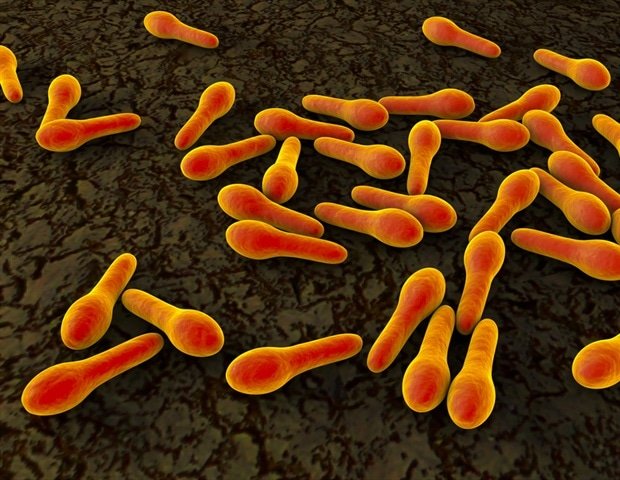
Preterm birth is the leading cause of neonatal morbidity and death, especially in women with a history of preterm birth. Japanese researchers investigated whether taking probiotics during early pregnancy could reduce the risk of spontaneous preterm birth (sPTD). In a multicenter clinical trial, women who took probiotics containing: Clostridium butyrate showed a low recurrence rate compared to the national average, suggesting that probiotic therapy may provide a simple strategy to help prevent preterm birth.
Preterm birth, defined as delivery before 37 weeks of gestation, is one of the leading causes of neonatal death and morbidity worldwide. Babies born prematurely are at increased risk of complications such as breathing difficulties, infections, nerve damage, and long-term developmental problems. Women with a history of spontaneous preterm birth (sPTD) are particularly vulnerable as the condition often recurs in subsequent pregnancies. Therefore, preventing preterm birth in these high-risk cases remains a significant challenge in obstetric care.
A successful pregnancy depends on a carefully balanced immune system. At the maternal-fetal interface, the mother’s immune system must tolerate while protecting the developing fetus from infection. This resistance is partially maintained by regulatory T cells (Treg cells), which help suppress excessive inflammatory responses. Recent evidence suggests that the gut microbiota may influence this immunity-pregnancy axis. Certain intestinal bacteria, especially clostridium The seeds are known to promote the development of Treg cells, and previous studies found reduced levels of these bacteria in women who experienced sPTD.
In a recent effort to explore whether restoring beneficial gut bacteria can help prevent preterm birth, a Japanese research team led by Associate Professor Satoshi Yoneda of the Department of Obstetrics and Gynecology at the University of Toyama investigated the potential role of probiotic supplementation during pregnancy. The study was co-authored by Dr. Shigeru Saito, also from the University of Toyama, and involved collaboration with multiple institutions across Japan.
The findings were published online on March 23, 2026. Journal of the American College of Obstetricians and GynecologistsProbiotics containing butyrate-producing bacteria called lactate have been suggested. “Clostridium butyricum”” may help reduce the risk of recurrent sPTD.
“This study was motivated by our desire to reduce the number of children who develop long-term disabilities, especially those born very preterm, through appropriate obstetric interventions.” Dr. Yoneda says.
To investigate the effects of probiotics on sPTD, researchers conducted a prospective, multicenter clinical trial at 31 hospitals in Japan from 2021 to 2024. The study enrolled pregnant women aged 18 to 43 who had previously experienced sPTD and were at high risk of recurrence. Participants between 10 and 14 weeks pregnant took oral probiotic tablets and continued taking supplements until late pregnancy (36 weeks and 6 days of gestation). Each tablet contained 10 mg. C. butyric acid bacteria2mg Enterococcus faeciumand 10mg Bacillus subtilis It was consumed three times daily during the study period.
Among 315 participants, the sPTD recurrence rate before 37 weeks was 14.9%, which was significantly lower than the 22.3% recurrence rate reported in the Japanese national perinatal database. These findings suggest that probiotic supplementation may help reduce the likelihood of preterm birth in women with a history of the disease. Encouraging outcomes were also observed in more severe cases of early delivery. The total percentage of sPTD decreased significantly. Importantly, the probiotic regimen showed a good safety profile, with no serious treatment-related adverse events reported.
The researchers also analyzed changes in the participants’ gut microbiota during pregnancy. The proportion of women who gave birth at term was clostridium After probiotic supplementation, the number of species in the gut increased approximately fivefold. However, this increase was not observed in women who had experienced recurrent preterm births.
“Probiotics containing butyrate-producing bacteria started early in pregnancy may help prevent preterm birth in women with a history of or at high risk for sPTD.” Dr. Yoneda explains:
The authors suggest that future studies are needed to confirm the effectiveness of probiotic therapy in preventing recurrence of sPTD. Overall, this study highlights the potential of probiotic supplementation to help reduce the risk of recurrent sPTD and improve outcomes for mothers and infants.
sauce:
Reference magazines:
Susumu Yoneda Others. (2026). Prevention of recurrent spontaneous preterm birth using probiotics: Results from a prospective, single-arm, multicenter trial. Journal of the American College of Obstetricians and Gynecologists. DOI: 10.1016/j.ajog.2026.02.027. https://www.ajog.org/article/S0002-9378(26)00099-2/fulltext
