


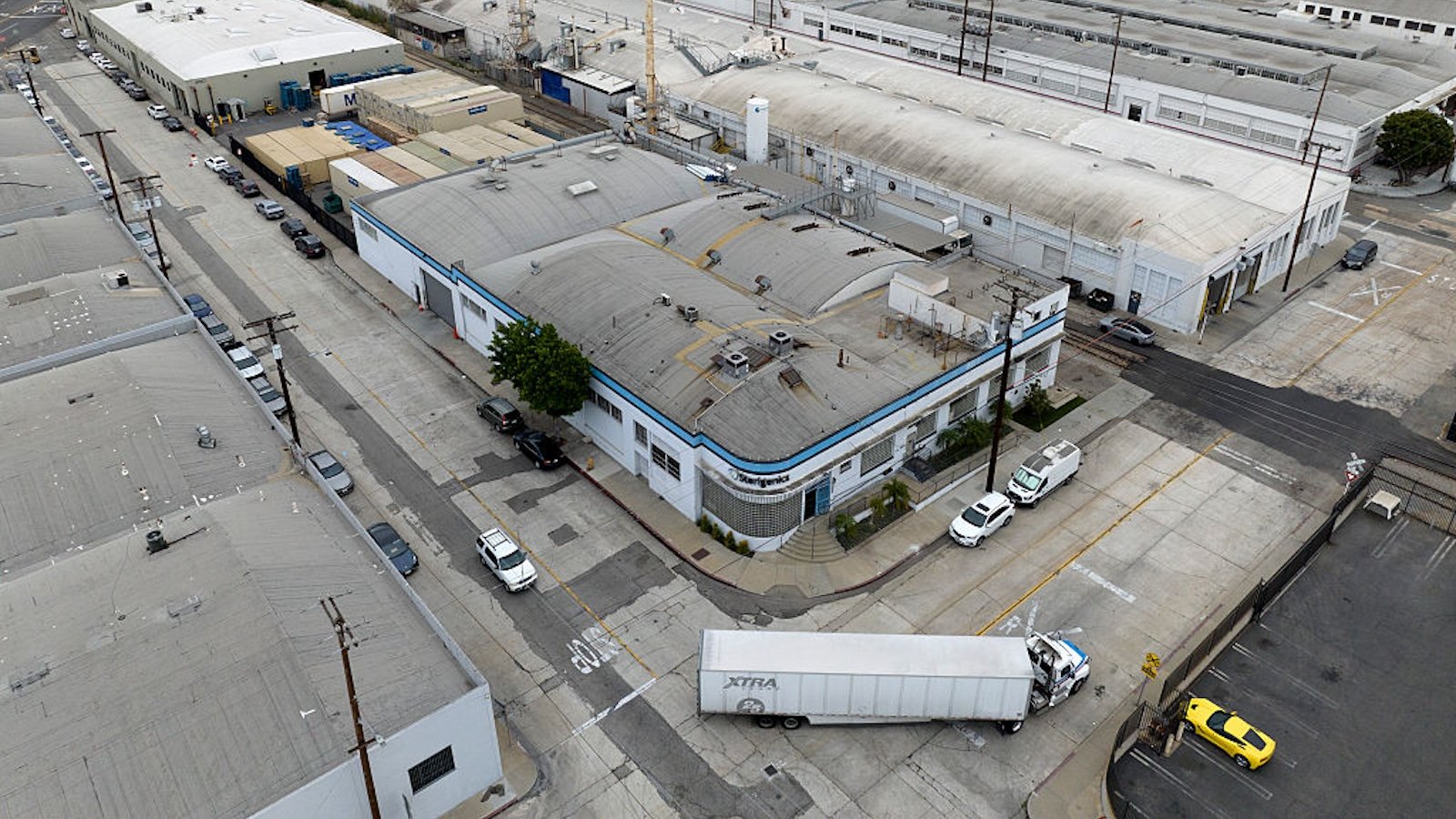
Many medical devices must be sterilized for safe use. However, sterilizing pacemakers, catheters, and other devices with steam or heat can compromise their structural integrity. So medical device manufacturers turn to ethylene oxide, a compound that is highly effective at killing microorganisms at low concentrations and allows companies to meet the Food and Drug Administration’s strict sterility standards. As a result, approximately half of the medical devices in Japan are sterilized with ethylene oxide (EtO), which has become the cornerstone of the medical device industry.
There’s just one problem. EtO is a toxic gas that has been linked to breast cancer and lymph node cancer. Approximately 90 facilities across the country have implemented this chemical for sterilization. These discreet facilities often resemble warehouses and are located in residential areas or near schools.
In 2022, the Environmental Protection Agency found that dozens of these facilities pose an unacceptable cancer risk to surrounding communities. Two years later, federal agencies, then led by the Biden administration, announced new regulations limiting the amount of chemicals released into the atmosphere. The rule requires sterilization facilities to install equipment that captures and burns ethylene oxide, which is estimated to reduce EtO emissions and the associated cancer risk to nearby communities by more than 90 percent.
But the newly elected Trump administration began rescinding the rule after the sterilization industry protested that it was too burdensome. President Trump last year exempted many facilities from complying with the rules. And this week, the EPA moved to repeal the rule altogether.
“This proposed rule demonstrates EPA’s strong commitment to protecting public health while maintaining a stable domestic medical supply chain,” EPA Administrator Lee Zeldin said in a press release. “Trump EPA is committed to ensuring that life-saving medical equipment is available for life-saving care for America’s children, seniors, and all patients without unnecessary exposure to communities.”
Read more about EtO

Unregulated links in toxic supply chains
Once the Biden administration formalized the sterilization rule in 2024, companies began taking steps to meet the April 2026 compliance deadline. In fact, seven of the nation’s 88 sterilization facilities already met the standards when it was passed. Other companies have begun installing equipment to capture ethylene oxide. A spokesperson for AdvaMed, an industry group representing sterilizers, previously told Grist that even before the 2024 rule was finalized, sterilizers had undertaken “extensive efforts to meet and even exceed regulations by introducing state-of-the-art upgrades that enable the continued safe use of EtO.”
Still, the industry was eager to find ways around regulation. When the EPA set up a special inbox last year to accept requests for exemptions from some provisions of the Clean Air Act, including the ethylene oxide emissions regulation, it was flooded with petitions from the sterilization industry. President Trump ultimately granted waivers to about 40 facilities last year. A group of environmental nonprofits and community organizations sued President Trump and the Environmental Protection Agency over the decision.
“We always knew the president’s waivers issued last year were part of a broader plan to prioritize the interests of corporate polluters over the health and well-being of American families,” Maurice Carter, president of the Georgia-based environmental advocacy group Sustainable Newton, said in a press release. “But we demand common sense and reasonable measures and we will not stop fighting to protect our communities.”
EPA said the action is necessary to protect the domestic supply chain for critical medical devices. In a press release announcing the proposal, the agency noted that there are currently no viable alternatives to ethylene oxide and said it would work to “ensure that regulation does not put countless lives at risk.”
While it is true that no replacement for ethylene oxide currently exists, sterilizers do have several other options to reduce emissions while continuing to use the gas. In some cases, facilities tend to apply too much ethylene oxide in a process called “overkill” to ensure a high safety margin. This method is designed to exceed the level required to meet sterility standards. Reducing these doses may reduce emissions. Facilities have also largely adapted to stricter regulations by installing so-called permanent total enclosures. This technology traps ethylene oxide inside a building and feeds it into an oxidizer where it is burned before the gas can escape. It is estimated to be 99 percent effective.
However, the industry has said in letters to the EPA and other public statements that PTE is technically difficult and expensive to install. Ultimately, the EPA’s rule “threatens the availability of sterile medical equipment and supplies” and “is likely to cause significant disruption and a public health crisis,” industry group AdverMed said in a 2023 letter.
“Hundreds of thousands of surgeries and other medical procedures are performed across the United States every day, and our ability to meet these demands is critical,” AdvaMed President Scott Whitaker said in a statement to Grist. “We appreciate EPA’s efforts to listen and understand the importance of providing uninterrupted access to safe, sterile medical technology while protecting our employees and the communities near our sterilization facilities.”
In its latest proposal, EPA also questions the toxicity of ethylene oxide. The EPA found in 2016 that the chemical was 30 times more toxic to adults and 60 times more toxic to children. The findings prompted a series of actions to inform the public about the risks posed by sterilizers, ultimately leading to the 2024 standard. But the Trump administration now appears to be questioning the underlying toxicity data used to justify stricter regulations.
The agency said in a press release that ethylene oxide is “produced in the body through normal processes, as well as by tobacco smoke and other combustion processes,” and that “new information” about the chemical continues to emerge. The agency will also “consider comments” on the Texas Environmental Commission’s toxicity assessment of ethylene oxide. Texas officials have long maintained that the chemical’s toxicity is far lower than the EPA’s assessment.
