


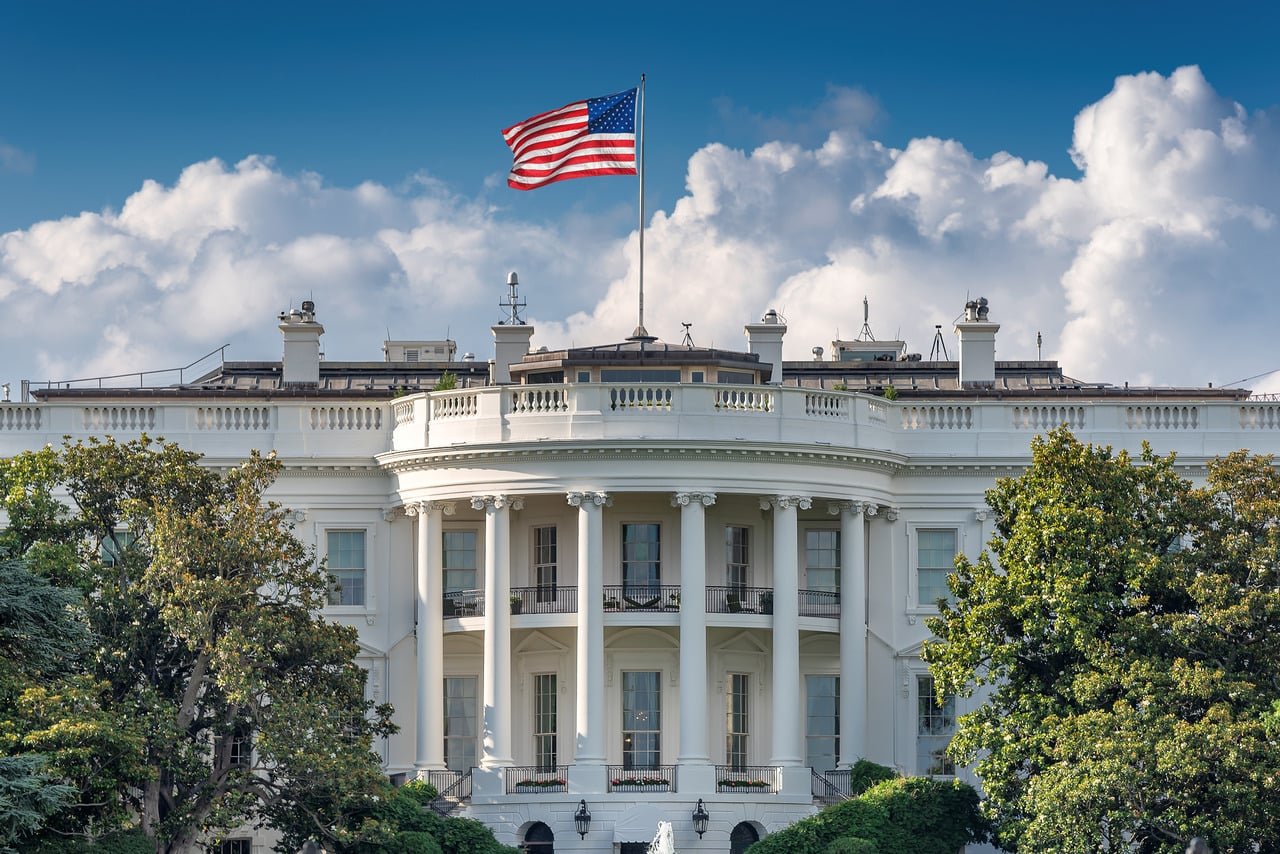
For more than a year, the biopharmaceutical industry has had to quickly respond to various tariff threats from the Trump administration. Now, Thursday’s announcement from the White House brings the U.S. tariff situation into sharper focus.
According to a White House fact sheet, the president imposed 100% tariffs on patented drugs and ingredients under Section 232 of the Trade Expansion Act of 1962. This obligation will begin within 120 days for large companies and 180 days for small pharmaceutical companies.
According to the fact sheet, there are several ways for companies to reduce tariff rates. For example, existing trade agreements impose a 15% tariff on products from the European Union, Japan, South Korea, Switzerland and Liechtenstein. And under a new UK deal finalized today, UK pharmaceutical exports to the US will be exempt from tariffs.
Sixteen major pharmaceutical companies that have already signed most-favored-nation (MFN) pricing agreements with the administration will receive tariff exemptions until January 20, 2029. The fact sheet also specifies “onshoring” arrangements that allow companies to secure a 20% tariff rate.
In a big win for generic and biosimilar companies, these products and their “related ingredients” will be exempt from the tariffs, according to the fact sheet.
Similarly, orphan drugs and “certain other specialty medicines” are exempt if they are produced by countries with which they have trade agreements or address “urgent public health needs,” the White House document said.
The tariffs follow the administration’s move a year ago to launch a Commerce Department investigation into the pharmaceutical industry. According to Thursday’s fact sheet, a Section 232 investigation found that pharmaceutical products “are being imported into the United States in such quantities and under circumstances that threaten to compromise national security.”
Although the introduction of tariffs would be an unwelcome development for many in the industry, major pharmaceutical companies have been preparing for major investments in the U.S. over the last year in anticipation of the threat. These investment commitments amount to hundreds of billions of dollars.
Still, midsize drug companies have their own concerns about the policy, with a newly formed industry group arguing that the president’s plan “creates an unfair two-tier structure.”
“By granting full exemptions only to companies that have already accepted ‘most-favored-nation’ pricing regulations, and leaving the burden to mid-market innovators who rely on a small number of patented medicines, this policy risks undermining the very American biotech companies that drive the majority of new advances in cancer, rare diseases, and other life-threatening diseases,” a spokesperson for the American Midsize Biotechnology Alliance said Thursday.
