


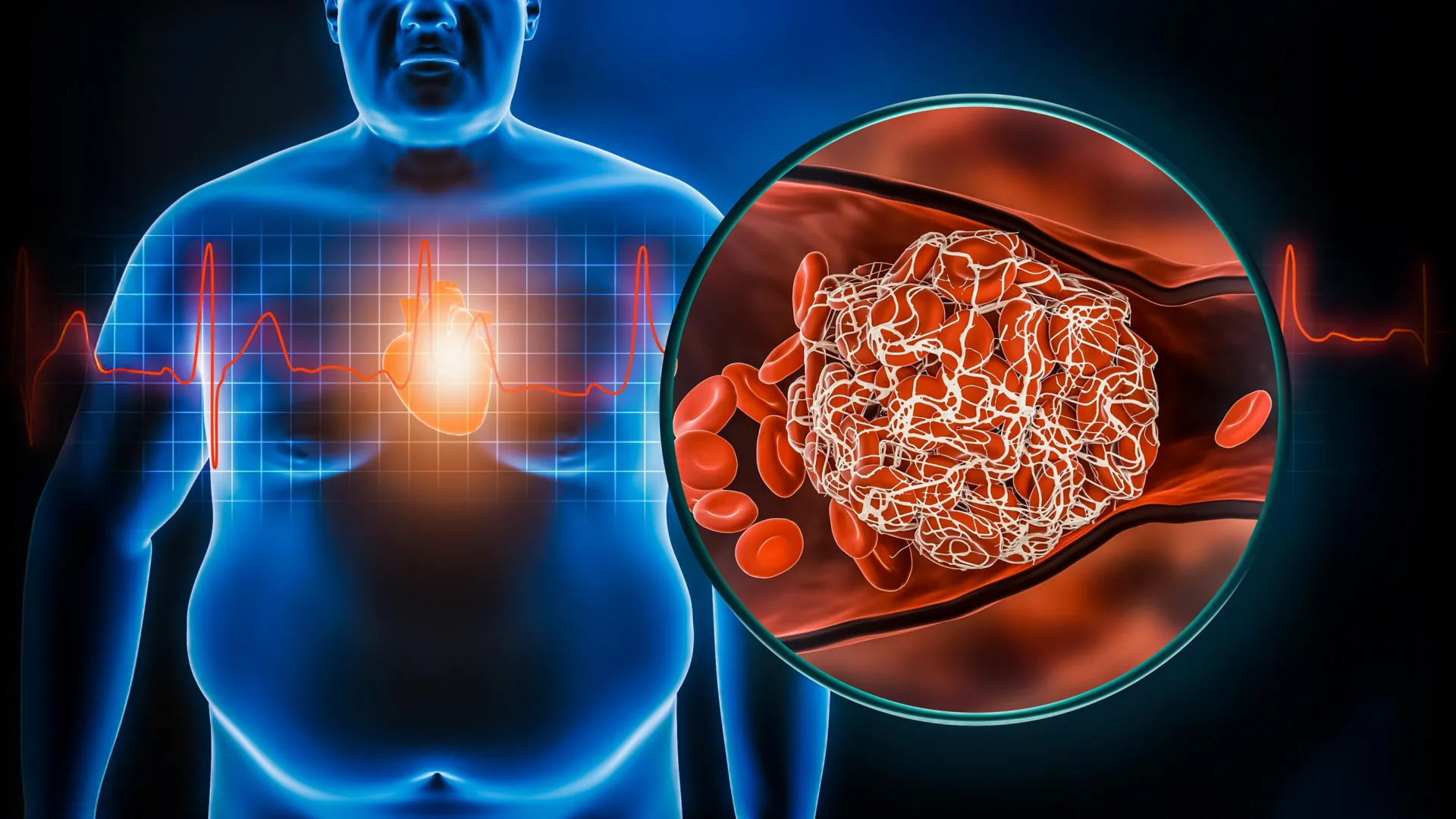
New research presented at this year’s European Congress on Obesity (ECO) in Istanbul, Turkey (12-15 May) highlights stark differences in how obesity affects men and women. This study shows that risks related to heart health, metabolism, and inflammation do not develop in the same way between genders. These insights could help doctors design more personalized treatment strategies.
A team of researchers from Turkey’s Dokuz Eylul University found that obese men are more likely to accumulate abdominal (visceral) fat. This type of fat surrounds internal organs and is strongly associated with serious cardiac and metabolic conditions. The men in the study also showed higher levels of liver enzymes that can signal liver damage. Obese women, on the other hand, are more likely to experience widespread inflammation and elevated cholesterol levels, both of which increase the risk of heart disease and type 2 diabetes.
“Our findings reveal interesting differences in the way men and women respond to obesity,” said lead author Dr. Zeynep Peker from Dokuz Eylul University in Izmir, Turkey. “These studies demonstrate how important gender-specific research is. Not only do gender differences play a powerful role in the pathogenesis and course of obesity, but our findings show that such differences may provide a stepping stone to the discovery of targeted gender-based treatments to help manage people living with obesity.”
Global health challenges with complex risks
In 2023, approximately 1.54 billion adults worldwide will be living with metabolic syndrome (approximately 1 in 3 women and 1 in 4 men). This condition includes major risk factors for cardiovascular disease and type 2 diabetes, including abdominal obesity, high cholesterol, hypertension, and elevated fasting plasma glucose levels (1).
Obesity itself is a complex chronic disease that affects the body in many ways. This involves changes in metabolism and inflammation, and these changes vary greatly from person to person. Biological sex plays a role in where fat is stored, how the liver processes nutrients, and how the immune system responds. However, detailed comparisons of these differences between obese men and women are limited.
Research investigating gender differences in obesity
To better understand these patterns, researchers analyzed data from 886 women (mean age 45 years) and 248 men (mean age 41 years) treated at the Obesity Clinic of the Department of Internal Medicine, Dokuz Eylul University Faculty of Medicine between 2024 and 2025.
Participants received a variety of assessments. Physical measurements included height, weight, body mass index (BMI), and blood pressure. Blood tests measured lipid levels to assess cardiovascular risk, including total cholesterol, low-density lipoprotein (LDL), or “bad” cholesterol, high-density lipoprotein (HDL), or “good” cholesterol, triglycerides, and fasting blood sugar.
The researchers also looked at markers related to liver function (alanine aminotransferase (ALT) and gamma glutamyl transferase (GGT) levels), kidney function (creatinine levels), and inflammation. Inflammatory indicators include C-reactive protein, erythrocyte sedimentation rate, white blood cell count, and platelet count.
Key differences between fat distribution and biomarkers
The results showed that men had a slightly higher body mass index (BMI) than women (37.5 vs. 36 kg/m2). However, their waist circumference was much larger (120 vs. 108 cm) and their systolic blood pressure was higher (128 vs. 122 mmHg). Both are associated with increased risk of cardiovascular disease and diabetes (see table in Notes to the Editor).
Men also had significantly higher levels of liver enzymes (ALT and GGT), triglycerides, and creatinine. These findings indicate a high likelihood of liver-related and metabolic complications.
In contrast, women had higher total cholesterol (215 vs. 203 mg/dL) and LDL cholesterol (130 vs. 123 mg/dL). They also showed higher levels of inflammatory markers such as erythrocyte sedimentation rate, C-reactive protein, and platelet count (see table in Notes to the Editor). These patterns suggest a stronger inflammatory response.
Hormones and biology help explain the difference
Pekel says these differences are likely influenced by hormones, immune system activity and how fat is distributed in the body. Hormones (particularly estrogen) influence fat storage and the body’s inflammatory response. Women typically store more fat under their skin and tend to have higher levels of inflammation-related markers such as C-reactive protein and erythrocyte sedimentation rate. There is also the influence of genetic factors such as the X chromosome, which generally results in a more active immune response.
Men tend to store fat around their internal organs. This visceral fat is closely related to metabolic disorders and increases the risk of serious health complications.
“Although it is still early days and these findings need to be confirmed in other patient groups, they provide important insight into how obesity may affect men and women differently,” Pekel said. “These differences may be influenced by biological factors such as hormones, immune responses, and fat distribution. Our next steps are to validate these findings in larger populations to better understand the biological processes behind these differences and investigate how these patterns relate to clinical risk.”
Research limitations and next steps
The researchers note several limitations. Because this study is cross-sectional, it is not possible to determine cause and effect and may be influenced by confounding factors and reverse causation. Additionally, most of the participants were adults of Turkish ethnicity, so the findings may not fully apply to other populations. Larger and more diverse studies will be needed to confirm and extend these results.
Precautions
- Global trends in metabolic syndrome from 2000 to 2023: a systematic review and modeling analysis | Nature Communications
This study is based on an 1854 abstract presented at the European Congress on Obesity (ECO). All abstracts were reviewed by the conference selection committee. The full paper has not yet been published, but the authors are available to answer questions.
