


Recent research published in journals autism research Studies suggest that cannabidiol oil may help improve certain social behaviors and reduce anxiety in children with autism. Although the treatment did not significantly change key measures of broad social communication, the findings provide evidence that the treatment may alleviate certain daily challenges and reduce parents’ stress levels.
Currently, there are no approved treatments specifically designed to help with the social difficulties associated with autism. When doctors prescribe drugs to manage related behavioral problems, the drugs often have unwanted side effects.
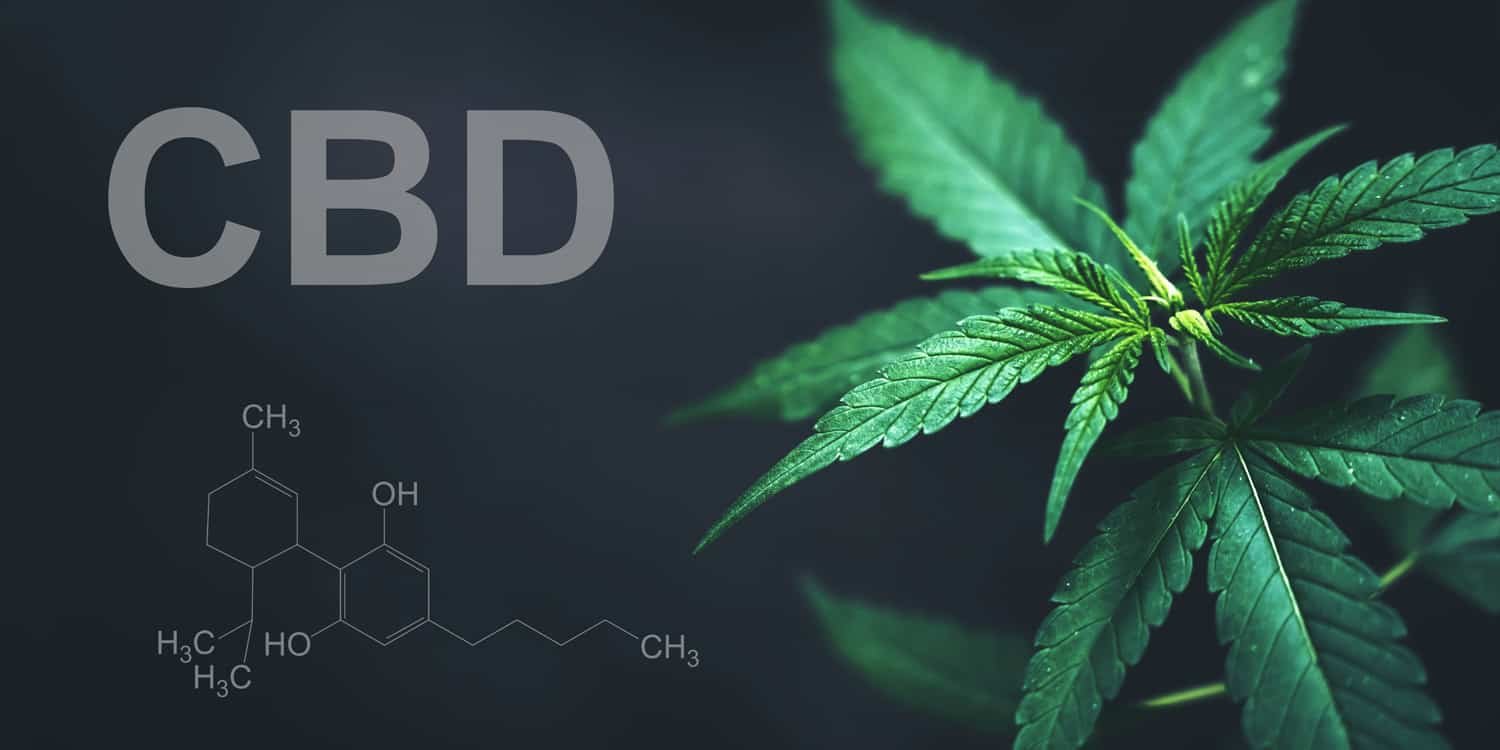
In the absence of such safe options, parents and medical professionals are beginning to consider other possibilities. Cannabidiol, commonly known as CBD, is a compound found in the cannabis plant that does not cause the high associated with marijuana. It is attracting attention for its effectiveness in treating various neurological and psychological symptoms.
The human body contains a complex network of chemical signals called the endocannabinoid system. This biological system plays a role in regulating mood, sleep, and social behavior in daily life. Preclinical studies suggest that this system may work differently in people with autism, making it a potential new medical target.
“Families are looking for safe and effective options to support the social difficulties and anxiety of children with autism who struggle in these areas, but commonly prescribed pharmacological options are limited and can come with unpleasant side effects. At the same time, the use of CBD for autism has increased significantly, but reliable evidence is still developing and there is wide variation in products and dosages,” said Nina Francesca Parella, a cognitive neuroscience researcher at Deakin University. Cognitive Neuroscience Unit.
To test the effects of CBD, researchers designed a randomized, double-blind, placebo-controlled crossover trial. This type of study means that the children received both the active CBD oil and the inactive placebo oil at different times, and neither the families nor the scientists knew which oil was given and when. The study involved 29 children diagnosed with autism, 18 boys and 11 girls, with an average age of 9.5 years.
Each child participated in the study for a total of 32 weeks. They took either CBD oil or a placebo oil daily for 12 weeks, followed by an eight-week break to allow the substance to be completely eliminated from their bodies. After the break, the children switched to a different oil and continued for another 12 weeks.
Scientists calculated the daily amount of oil based on each child’s weight, giving them 10 milligrams of CBD per kilogram of body weight. The specific product used in this study was a broad-spectrum CBD oil that contains natural plant compounds called terpenes. This particular formula was chosen because it contains few addictive ingredients. That means it doesn’t contain the compounds that cause a traditional cannabis high. Parents administered the oil twice a day at home using a precision syringe and recorded their child’s daily routine and mood online.
To measure behavioral changes, Parella and colleagues relied on several detailed questionnaires filled out by parents. The main instrument was the Social Responsiveness Scale, Second Edition, which assesses how severely autism-related symptoms affect the child in everyday social situations. We also used secondary measures such as the Developmental Behavior Checklist, 2nd Edition, the Autism Parenting Stress Index, and the Vineland Adaptive Behavior Scale, 3rd Edition.
Results showed that CBD oil did not produce statistically significant improvements in key measures of broad social responsiveness. Children’s scores on key social scales decreased by an average of 17 points while taking CBD, but by 7 points when taking a placebo. However, because of the small sample size, this difference was not mathematically strong enough to confirm a clear treatment effect.
Nevertheless, scientists found improvements in some secondary measures. According to the Developmental Behavior Checklist, the children showed measurable progress in certain social relationship skills. They also had fewer signs of anxiety on the same checklist while taking CBD oil compared to the placebo phase.
The benefits extended to his family as well. Parenting a child with autism tends to come with unique stressors, making family well-being an important aspect of pediatric care. Parents reported significantly lower stress levels on the Autism Parenting Stress Index during the period their child was in active treatment. In contrast, no changes were observed in adaptive behaviors such as daily communication and basic life skills as measured by the Vineland Adaptive Behavior Scale.
“In this pilot study, CBD oil did not significantly improve key measures of social communication compared to placebo after 12 weeks,” Parella told PsyPost. “However, we did see improvements in some secondary measures, particularly improved social relationships, reduced anxiety symptoms, and reduced parenting stress. So while our findings are promising, they are quite preliminary and still require larger trials.”
CBD oil was generally very well tolerated by children during the trial period. Only two participants experienced mild stomach discomfort while receiving active treatment. One of these children stopped the study early because of pre-existing stomach problems, but the other felt better after a week and safely continued treatment.
“Gastrointestinal discomfort was the main side effect reported in a small number of participants, but the carrier MCT oil may have been a contributing factor in these cases,” Parella said.
Although these early findings offer hope, researchers caution against misinterpreting the results as conclusive evidence that CBD is effective in treating autism. Because this is a small pilot study, the results are preliminary and cannot be generalized to all children with autism. Scientists stress that the use of cannabinoid products in children should always be done under appropriate medical supervision.
Additionally, due to the wide variety of commonly available CBD products, commercially available oils may not contain the same ingredients or effects as the specific medical-grade formulation used in this study.
In the future, scientists plan to conduct large-scale trials in multiple clinics to see whether these anxiety and social relationship benefits persist in a larger, more diverse group of children. Future studies may examine whether adjusting the dose can reduce stomach problems while maintaining positive behavioral effects.
The researchers also want to investigate whether the observed improvements in social skills are a direct result of CBD or a byproduct of children being less anxious overall. Children who feel calmer may naturally become more willing to participate in social interactions. By considering these nuances, the scientific community can better understand who is likely to benefit most from this type of intervention.
“We need to further investigate the extent to which anxiety reduction mediates CBD’s effects on social relationships and other individual differences, such as gender, degree of social relationship difficulties, and intellectual disability,” Parella said. “We are actively seeking funding to conduct a large-scale, placebo-controlled trial to test this.”
The study, “The Effects of Cannabidiol on Social Relationships, Anxiety, and Parental Stress in Children with Autism: A Randomized Controlled Crossover Trial,” was authored by Nina-Francesca Parrella, Aron T. Hill, Peter G. Enticott, Tanita Botha, Sarah Catchlove, Luke Downey, and Talitha C. Ford.
