


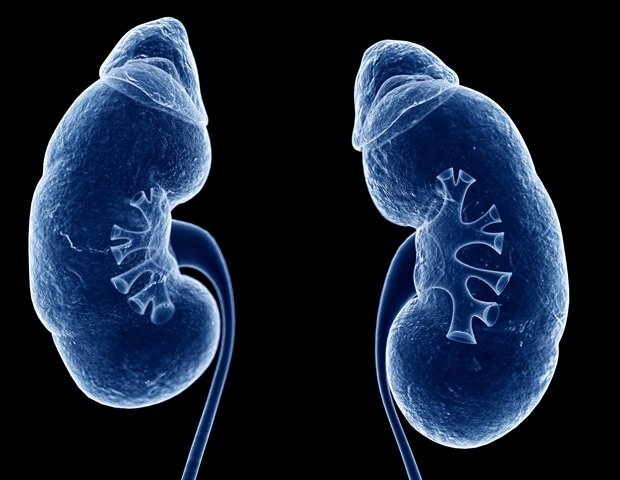
Mayo Clinic researchers have identified a drug and supplement combination therapy that can reduce the negative effects of senescent cells, also known as “zombie cells,” in diabetic kidney disease.
in e-biomedicinePublished in The Lancet, the research team reported that a combination of the cancer drug dasatanib and a natural substance known as quercetin reduced inflammation and increased protective factors in the kidneys.
Diabetic kidney disease affects more than 12 million people in the United States and is the leading cause of kidney failure. New treatments can slow the loss of kidney function, but there is currently no cure.
Our study showed that short-term combination therapy reduced the amount of senescent cells and also improved renal function in a preclinical model of diabetic kidney disease. ”
Latonya Hixon, MD, Mayo Clinic Principal Investigator and Nephrologist
To maintain kidney health, researchers are interested in addressing the presence of senescent cells, which do not undergo the natural death process and remain in the tissue and contribute to aging and disease. Therapeutic approaches include senolytic, natural and engineered agents that selectively target senescent cells.
In a previously conducted pilot clinical trial, Dr. Hixon and Mayo Clinic researchers found that the combination of dasatanib and quercetin reduced senescent cells in the skin and fat tissue of patients with diabetic kidney disease. However, the effects of combination therapy on aging and protective factors in diabetic kidneys had not yet been described.
“It was important to prove that this one-time, short-term treatment had an effect on the kidneys, and we wanted to do it without invasive procedures in patients,” says nephrologist Xiaohui Bian, MD, who conducted the study as a postdoctoral fellow at the Mayo Clinic and is the study’s lead author.
The research team found that the combination therapy improved kidney function and protective factors while reducing damage, senescent cells, and inflammation in preclinical models of diabetic kidney disease. In cultured human kidney cells, the combination therapy also reduced the abundance of senescent cells and the inflammatory process they trigger.
“These results show that this combination therapy has the potential to help reduce or halt diabetes-induced kidney damage,” Dr. Hixon says. “The promising findings from these two studies suggest that large-scale studies using senolytic drugs should proceed in patients to improve kidney health.”
sauce:
Reference magazines:
Bian, X. Others. (2026) Senolytics, dasatanib and quercetin reduce kidney inflammation, senescent cell mass, and damage while restoring geriatric protective factors in diabetic kidney disease in mice. e-biomedicine. DOI: 10.1016/j.ebiom.2026.106124. https://www.thelancet.com/journals/ebiom/article/PIIS2352-3964(26)00005-8/fulltext.
