

Close Menu

    Subscribe to Updates

    Get the latest creative news from FooBar about art, design and business.

    What's Hot

    Koalas have survived catastrophic population decline and their DNA is recovering

    March 7, 2026

    Most of our daily actions are done on autopilot, according to scientists

    March 7, 2026

    Scientists discover tiny marine fungus that kills toxic algae

    March 6, 2026
    Facebook X (Twitter) Instagram
    Facebook X (Twitter) Instagram
    Health Magazine
    • Home
    • Environmental Health
    • Health Technology
    • Medical Research
    • Mental Health
    • Nutrition Science
    • Pharma
    • Public Health
    • Discover
      • Daily Health Tips
      • Financial Health & Stability
      • Holistic Health & Wellness
      • Mental Health
      • Nutrition & Dietary Trends
      • Professional & Personal Growth
    • Our Mission
    Health Magazine
    Home » News » New research shows the brain reactivates memories without reaching conscious thought
    Discover

    New research shows the brain reactivates memories without reaching conscious thought

    healthadminBy healthadminMarch 6, 2026No Comments3 Mins Read
    Share
    Facebook Twitter Reddit Telegram Pinterest Email


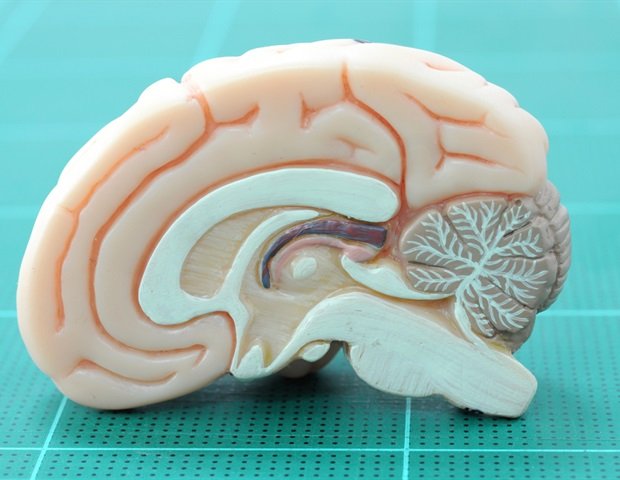
    Researchers used brain imaging to show how memories can be reactivated in the brain without ever reaching consciousness, showing that memories persist even when you think you’ve forgotten them.

    Scientists from the University of Nottingham’s School of Psychology used magnetoencephalography (MEG) to show how the brain reactivates memories even when you can’t remember them, suggesting that your brain remembers even when you can’t. The results were published in the Journal of Neuroscience.

    Neural oscillations are rhythmic electrical activity in the brain, often called brain waves. These are essential for synchronizing neural populations to encode, store, and retrieve memories. Vibrations particularly promote memory formation, spatial navigation, and episodic memory binding in the hippocampus, while alpha and beta bands are often associated with cortical processing during long-term memory tasks.

    In this study, participants completed a paired associate task. Participants were asked to make vivid associations between videos and words, and then shown each word and asked to recall the associated video. MEG captured the participants’ brain activity throughout and used machine learning algorithms (trained to recognize the brain’s unique signature for each video) to detect whether the brain was able to reactivate certain memories, even if the participants did not explicitly recall them.

    The results showed that while the brain reactivates memories regardless of whether they are consciously recalled, when a memory is successfully retrieved, the reactivated memory signal fluctuates more rhythmically in the alpha band. It’s as if this rhythmic pattern is meant to be heard above all the background neural noise that masks the memory signals.

    Dr Benjamin Griffiths from the Department of Psychology led the study and explained:What we have shown is that even if the brain is able to reactivate the correct memory, it does not necessarily make it conscious. Rather, what seems important is that memories pulsate rhythmically and can be detected above and beyond other neural activity. Think about a soccer field: if everyone is chatting, you can’t hear what’s being said, but if everyone starts singing the same song, you can hear it clearly. It is speculated that similar ideas are involved in memory recall in the brain.”

    The researchers also found a decrease in total alpha power in the sensory neocortex that accompanies this memory rhythm, Ben explains.His findings can be likened to reducing general background noise inside stadiums. When the general chatter subsides, it becomes easier to hear the quiet chants of the fans. ”

    “These findings could have real implications for conditions such as dementia. Current treatments often assume that when a person can’t remember, the memory itself is lost. But if the memory is being reactivated in the brain and simply isn’t reaching consciousness, it suggests a different approach may be needed, one that focuses on helping existing memories reach consciousness rather than rebuilding lost memories.”

    sauce:

    Reference magazines:

    Griffith, B.J. others. (2026) Alpha oscillations track the projection of reactivated memories into consciousness. neuroscience journal. DOI: 10.1523/JNEUROSCI.1487-25.2026. https://www.jneurosci.org/content/early/2026/03/03/JNEUROSCI.1487-25.2026


    Source link

    Visited 1 times, 1 visit(s) today
    Share. Facebook Twitter Pinterest LinkedIn Telegram Reddit Email
    Previous ArticleNew psychological research reveals wisdom acts as a moral compass for creative thinking
    Next Article Study finds that reducing protein intake may slow liver cancer growth
    healthadmin

    Related Posts

    Surgical robot helps safely remove caudate lobe

    March 6, 2026

    Machine learning model may provide useful warning against pre-eclampsia in late pregnancy

    March 6, 2026

    New compound shows potential to protect against liver damage after small intestine surgery

    March 6, 2026

    Allergy symptoms can worsen when adults are exposed to a variety of microorganisms

    March 6, 2026

    New report shows primary care is ready for digital cognitive assessment tools

    March 6, 2026

    Scientists discover how herpes simplex virus softens cells and grows faster

    March 6, 2026
    Add A Comment
    Leave A Reply Cancel Reply

    Categories

    • Daily Health Tips
    • Discover
    • Environmental Health
    • Exercise & Fitness
    • Featured
    • Featured Videos
    • Financial Health & Stability
    • Fitness
    • Fitness Updates
    • Health
    • Health Technology
    • Healthy Aging
    • Healthy Living
    • Holistic Healing
    • Holistic Health & Wellness
    • Medical Research & Insights
    • Mental Health
    • Mental Wellness
    • Natural Remedies
    • New Workouts
    • Nutrition
    • Nutrition & Dietary Trends
    • Nutrition & Superfoods
    • Nutrition Science
    • Pharma
    • Preventive Healthcare
    • Professional & Personal Growth
    • Public Health
    • Public Health & Awareness
    • Selected
    • Sleep & Recovery
    • Top Programs
    • Weight Management
    • Workouts
    Popular Posts
    • the-pros-and-cons-of-paleo-dietsThe Pros and Cons of Paleo Diets: What Science Really Says April 16, 2025
    • Improve Mental Health10 Science-Backed Practices to Improve Mental Health… March 11, 2025
    • How Healthy Living Is Transforming Modern Wellness TrendsHow Healthy Living Is Transforming Modern Wellness… December 3, 2025
    • daily vitamin D needsWhy Sunlight Is Crucial for Your Daily Vitamin D Needs June 12, 2025
    • Healthy Living: Expert Tips to Improve Your Health in 2026Healthy Living: Expert Tips to Improve Your Health in 2026 November 16, 2025
    • The Science Behind Keto Diets: Is It Right for You?The Science Behind Keto Diets: Is It Right for You? April 11, 2025

    Demo
    Stay In Touch
    • Facebook
    • Twitter
    • Pinterest
    • Instagram
    • YouTube
    • Vimeo
    Don't Miss

    Koalas have survived catastrophic population decline and their DNA is recovering

    By healthadminMarch 7, 2026

    New genomic research on Australia’s koala population suggests rapid population growth could help restore genetic…

    Most of our daily actions are done on autopilot, according to scientists

    March 7, 2026

    Scientists discover tiny marine fungus that kills toxic algae

    March 6, 2026

    How trigger warning language changes our psychological responses

    March 6, 2026

    Subscribe to Updates

    Get the latest creative news from SmartMag about art & design.

    HealthxMagazine
    HealthxMagazine

    At HealthX Magazine, we are dedicated to empowering entrepreneurs, doctors, chiropractors, healthcare professionals, personal trainers, executives, thought leaders, and anyone striving for optimal health.

    Our Picks

    How trigger warning language changes our psychological responses

    March 6, 2026

    Scientists discover brain protein that causes cocaine relapse

    March 6, 2026

    How protecting nature makes the world safer

    March 6, 2026
    New Comments
      Facebook X (Twitter) Instagram Pinterest
      • Home
      • Privacy Policy
      • Our Mission
      © 2026 ThemeSphere. Designed by ThemeSphere.

      Type above and press Enter to search. Press Esc to cancel.