


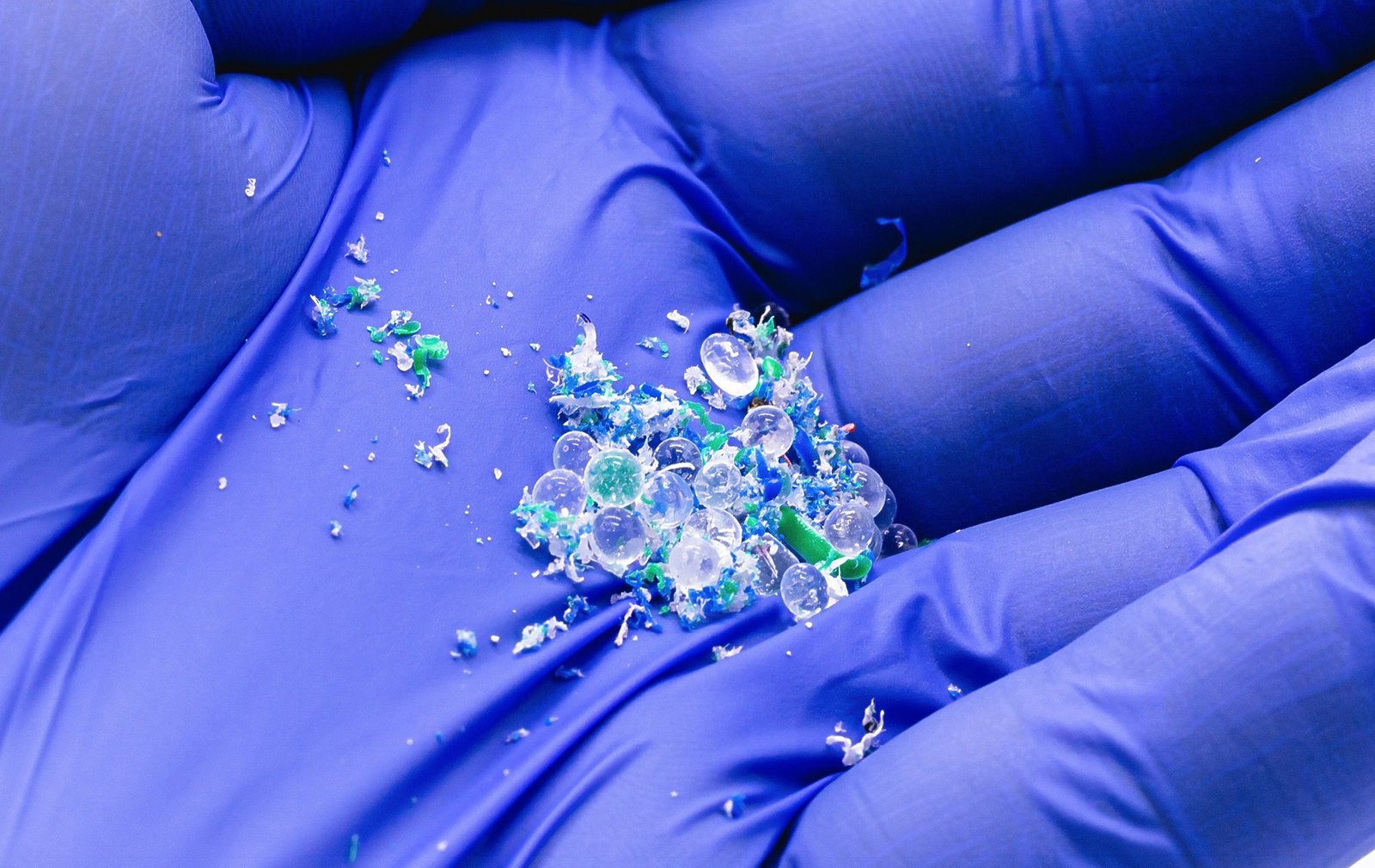
Microplastics have now been detected in human bile, and new research reveals how these tiny particles can interfere with cell function and potentially contribute to cholelithiasis.
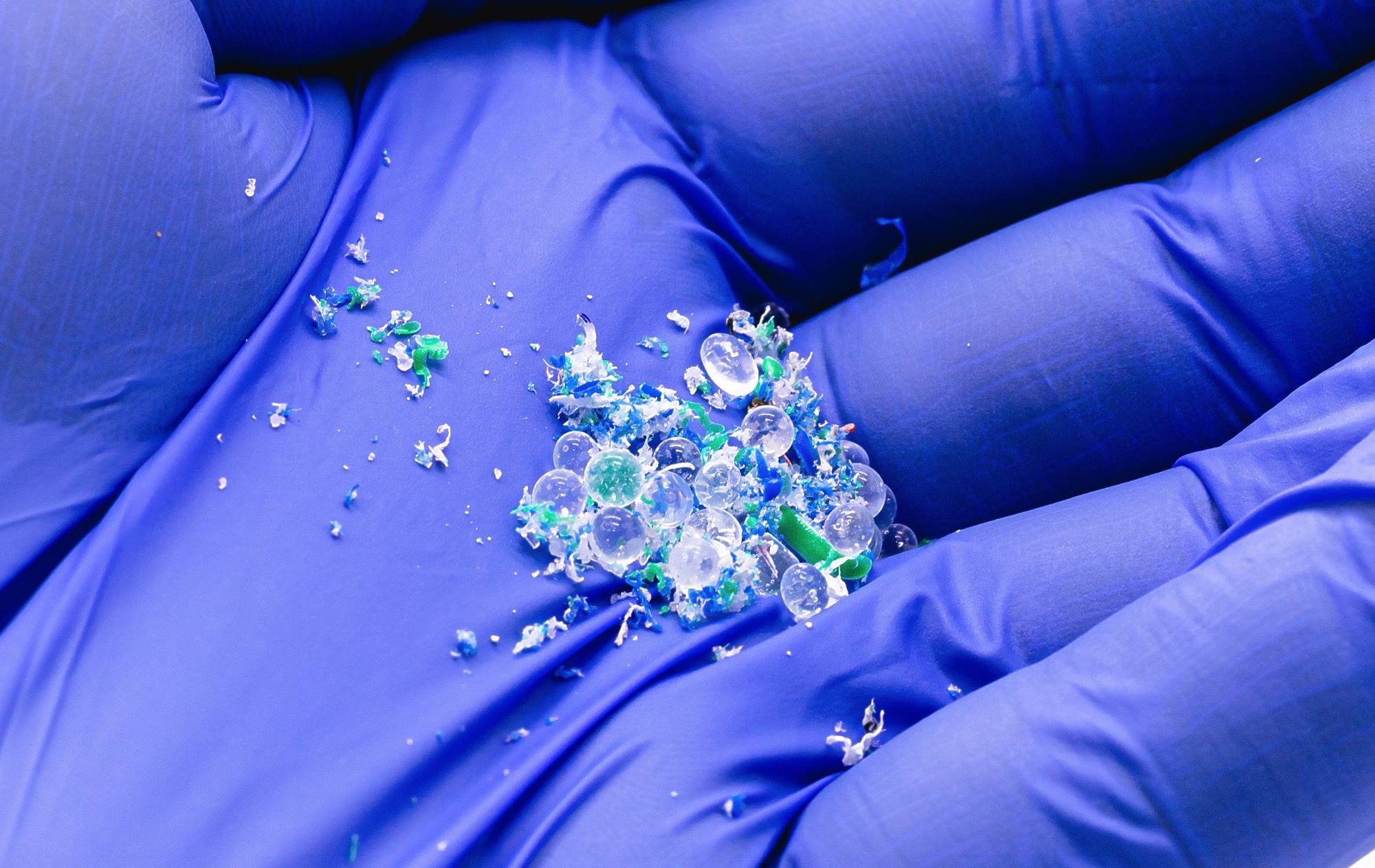 Research: Microplastics accumulate in human bile and accelerate cholangiocyte aging. Image credit: RHJPhtotos/Shutterstock.com
recent Environmental science and ecotechnology In this study, we investigated microplastic accumulation and chronic toxic effects on the human biliary system. We also investigated the potential for in vitro therapeutic intervention against microplastic-induced cell damage using an experimental model.
Microplastics as a new pollutant
Plastics are highly valued in manufacturing for their durability, affordability, and corrosion resistance. However, these same properties greatly improve their persistence in the environment and make plastics resistant to natural degradation processes. The rapid increase in plastic production has led to an accumulation of plastic waste, which reached around 350 million tonnes in 2019 and could exceed 1 billion tonnes per year by 2060.
Over time, physical abrasion, sunlight, and biological activity break down large plastic items into smaller pieces ranging in size from 1 μm to 5 mm, known as microplastics (MPs). Multiple studies have detected MPs throughout the atmosphere, land, and water. These small particles enter the food chain and rank as contaminants of significant environmental and public health concern.
MPs have been identified across multiple human biological matrices, including lung tissue, placenta, feces, brain tissue, and semen, and systemic bioaccumulation has been confirmed. Both in vitro and in vivo evidence indicates that MP internalization induces oxidative stress, proinflammatory cascades, and histopathological lesions in the kidney, intestine, and liver.
However, important limitations are that most studies use MP concentrations far above real-world levels and rely on short-term exposure models that do not accurately reflect chronic low-dose human exposure.
Evaluation of the presence of MP in bile and its consequences
The biliary tract, which includes the gallbladder and bile ducts, is responsible for producing and transporting bile, a fluid that aids in digestion and helps remove certain waste products from the body. Gallstones can form when the balance of bile components, such as cholesterol, bilirubin, and bile acids, is disrupted. Because bile is also an excretory fluid, the researchers believe that bile may represent a potential route for processing and eliminating MPs in the body after ingestion.
The lipid-rich composition of bile may preferentially bind certain plastic polymers and promote MP accumulation. This is an understudied but potentially important matrix for studying MP passage and clearance, raising concerns about its possible role in biliary diseases such as gallstone formation.
In the current study, a multimodal approach was adopted to assess and quantify the mass concentration, type, and physical characteristics of MPs in human bile. Furthermore, the chronic cytotoxic effects of MPs were evaluated using an in vitro cell-based model, providing new insights into the health risks posed by MPs in the biliary system.
Bile samples were collected from patients at Dongguan People’s Hospital undergoing laparoscopic cholecystectomy. Patients aged 18 to 80 years with typical epigastric pain and tenderness and imaged gallstones with magnetic resonance imaging (MRI) and/or computed tomography (CT) were recruited.
Exclusion criteria included a history of non-stone bile duct disease, history of biliary surgery, serious comorbidities contraindicating surgical or endoscopic intervention, and pregnancy or lactation.
Elevated MP load in gallstone bile causes cellular senescence via mitochondrial dysfunction
The study cohort consisted of 5 participants in the non-gallstone control group (CG) and 9 participants in the gallstone group (GG). The average age of participants was 56.29 years, with a good balance of men and women. Three patients reported a history of alcohol consumption and one patient reported a history of smoking. The majority of participants lived in urban areas and half were classified as overweight.
Liver function indices were significantly elevated in the GG group compared to the CG group, and alanine transaminase (ALT), aspartate transaminase (AST), total bilirubin, direct bilirubin, and indirect bilirubin all reached statistical significance. No significant differences in bile acids were observed between the two groups.
Pyrolysis gas chromatography-mass spectrometry (Py-GC/MS) analysis revealed the presence of MP in all bile samples. Of the 11 polymer categories investigated, six types of MPs were identified, with polyethylene terephthalate (PET, 68.05%) and polyethylene (PE, 27.11%) predominating. Other polymers detected at trace levels include polystyrene (PS), polypropylene (PP), polyvinyl chloride (PVC), and polyamide 66 (PA66).
Total MP concentrations were slightly higher in individuals younger than 60 years compared to individuals older than 60 years, and slightly higher in men than in women, but these differences were not statistically significant.
MP distribution was not uniform between groups. PE and PP were present in all samples, whereas PS and PA66 were present only in the gallstone bile (GB) group. PET was detected in all GB samples and 60% of control bile (CB) samples. Overall MP burden was significantly higher in the GB group. The concentrations of PP and PVC were not significantly different between groups.
Although these findings indicate that the bile of patients with gallstones contains significantly higher MP levels, this indicates an association and does not prove that microplastics are the cause of gallstones, and further validation in a larger cohort is warranted.
Laser direct infrared (LDIR) spectroscopy identified 32 different polymers in bile MPs, with polyamide (PA, 29.57%), acrylic polymer (ACR, 15.74%), and chlorinated paraffin (CPE, 15.44%) being the most common, reflecting differences in detection methods compared to Py-GC/MS. The size of most MPs (86.42%) was between 20 and 50 μm, and SEM imaging confirmed diverse morphologies such as irregular particles, rod-like particles, and spherical particles.
Chronic exposure of low-dose polystyrene nanoparticles (PS-NPs) at 0.04 mg mL-1 for 7 days induced time- and concentration-dependent cytotoxicity in HuCCT1 cholangiocytes. Proteomic analysis revealed downregulation of 425 proteins and upregulation of 197 proteins, enriched in metabolic, cell cycle, and cancer-related pathways. The study also identified 25 aging-related molecules, including upregulated BHLHE40, CDKN1B, and G6PD and downregulated AURKA.
Experimental validation confirmed senescence through increased senescence-associated beta-galactosidase (SA-β-gal) activity, G1 cell cycle arrest, and upregulation of senescence-associated secretory phenotype (SASP) markers interleukin-6 (IL-6) and tumor necrosis factor alpha (TNF-α), an effect observed across multiple polymer types including PE and PP.
Mechanistically, PS-NP exposure impaired mitochondrial function by decreasing ATP levels, increasing ROS production, promoting Drp1 translocation, and decreasing membrane potential, all of which were partially reversed under experimental conditions with co-administration of melatonin, a mitochondria-targeted antioxidant.
conclusion
In this study, MPs were detected in human bile, an association with gallstone disease was reported, and low doses of MPs In an in vitro experimental system, it can cause cholangiocyte senescence through mitochondrial dysfunction.
These findings are limited by small sample sizes, single-center designs, incomplete exposure assessments, uncertainty about how experimental exposure levels compare to actual human exposures, and lack of long-term in vivo data. Future studies should expand sample sizes, improve exposure assessments, and use animal models to confirm mechanisms and explore potential treatments.
Click here to download your PDF copy.
