

Close Menu

    Subscribe to Updates

    Get the latest creative news from FooBar about art, design and business.

    What's Hot

    Lilly stock falls 7% since HSBC downgrade

    March 18, 2026

    Survey reveals more than 150,000 uncounted deaths due to new coronavirus infection

    March 18, 2026

    First test of new neuroscience theory shows how smart brains coordinate information

    March 18, 2026
    Facebook X (Twitter) Instagram
    Facebook X (Twitter) Instagram
    Health Magazine
    • Home
    • Environmental Health
    • Health Technology
    • Medical Research
    • Mental Health
    • Nutrition Science
    • Pharma
    • Public Health
    • Discover
      • Daily Health Tips
      • Financial Health & Stability
      • Holistic Health & Wellness
      • Mental Health
      • Nutrition & Dietary Trends
      • Professional & Personal Growth
    • Our Mission
    Health Magazine
    Home » News » Microbial teamwork enables efficient degradation of phthalate plastic contaminants
    Discover

    Microbial teamwork enables efficient degradation of phthalate plastic contaminants

    healthadminBy healthadminMarch 18, 2026No Comments4 Mins Read
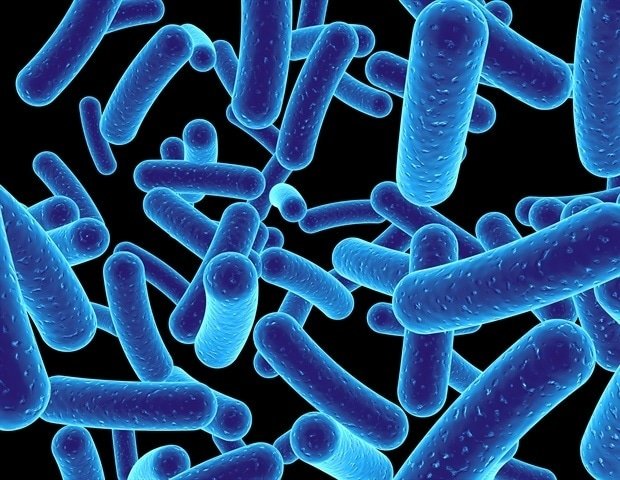
    Microbial teamwork enables efficient degradation of phthalate plastic contaminants
    Share
    Facebook Twitter Reddit Telegram Pinterest Email


    Plastic trash is reaching some of the most remote places in the world, from the bottom of the Mariana Trench to the top of Mount Everest. Hundreds of plastic-eating microorganisms have been discovered over the past quarter century that could help us clean up, but there’s a long way to go before they work in the natural environment. Digestion of plastic by microorganisms remains slow, requires high temperatures, and can only proceed efficiently in bioreactors. Furthermore, most of the plastic-eating microorganisms discovered so far can only digest one type of plastic.

    One solution is to combine different microorganisms to work as a team to tackle plastic pollution. This allows you to share tasks, compensate for each other’s weaknesses, and continue working even when environmental conditions change. Now, German scientists have discovered a synergistic “consortium” of plastic-eating bacteria. This bacteria can feed on phthalate esters (PAEs). PAEs are plasticizers commonly found in building materials, food packaging and personal care products that have been implicated in hormonal, metabolic and developmental disorders and some cancers. The result is Frontiers of microbiology.

    “Here we show the degradation of various phthalate esters (PAEs) by the joint activity of several bacterial strains,” said corresponding author Dr. Christian Eberlein, a postdoctoral researcher at the Helmholtz Center for Environmental Research in Leipzig. Eberlein and his colleagues are participants in the Helmholtz Sustainability Challenge project FINEST, which aims to design new solutions for a sustainable circular economy.

    Strength through diversity

    Eberlein and his colleagues knew a promising place to look for new plastic-eating microbes. It lives as a biofilm on polyurethane tubes in a bioreactor in our laboratory. They scraped the sample and incubated it in a growth medium using the PAE diethyl phthalate (DEP) as the carbon and energy source. We focused on DEP because it is a typical model compound used in experiments with phthalate plasticizers. Successive transplants between cultures eventually resulted in stable colonies that could grow at DEP concentrations up to 888 milligrams per liter. At 30 °C, it took 24 h for the consortium to completely consume DEP.

    DNA sequencing showed that the three bacterial species constituted a consortium. Pseudomonas putida and Pseudomonas fluorescens groups and unknown groups microorganisms seed.

    It was proven that bacteria cannot digest PAE alone and must work as a cooperative. Further experiments showed that this synergistic superpower is due to so-called “cross-feeding,” in which one microbe releases metabolic byproducts that are taken up by its partner as nutrients, sharing resources to form a stable and diverse community. Cross-feeding is a fundamental feature of natural microbial communities, but it has not been previously demonstrated in plastic-eating bacteria. In this case, the main intermediate products turned out to be PAEs themselves: monoethyl phthalate and phthalate esters. Proteomic analysis has shown that the enzymes needed to break down these compounds are new to science.

    Importantly, this consortium is metabolically versatile. In addition to DEP, we were able to digest all common PAEs, including dimethyl phthalate, dipropyl phthalate, and dibutyl phthalate.

    “This broad substrate range increases the potential value of the consortium in biotechnological and environmental applications, as it has the potential to degrade multiple PAEs commonly found as plasticizers in contaminated environments,” the authors wrote.

    Recent advances due to the plastic era

    How did this remarkable ability to digest PAEs evolve?

    “The first reaction relied on existing enzymes that originally evolved to break down natural molecules containing ester bonds. Since then, sustained contamination with PAEs in nature likely created strong evolutionary pressures that forced microorganisms to adapt and develop more specialized enzymes that could break down PAEs more efficiently,” Eberlein speculated.

    The consortium is not yet able to work with other types of plastics than PAE. For example, polyethylene and polypropylene contain highly resistant nonester bonds that are inaccessible to natural enzymes.

    The next step is to test the new consortium on real wastewater samples containing microplastics and evaluate its ability to remove PAEs. Introducing these bacteria into contaminated natural environments, a process known as bioaugmentation, may help reduce PAE contamination in real-world environments. ”

    Dr. Hermann Hypieper, senior scientist at the Helmholtz Center and lead author of the study

    sauce:

    Reference magazines:

    Bertoldi, S. Others. (2026). Cross-feeding promotes the degradation of phthalate plasticizers within the bacterial consortium. Frontiers of microbiology. DOI: 10.3389/fmicb.2025.1757196. https://www.frontiersin.org/journals/microbiology/articles/10.3389/fmicb.2025.1757196/full


    Source link

    Visited 1 times, 1 visit(s) today
    Share. Facebook Twitter Pinterest LinkedIn Telegram Reddit Email
    Previous ArticlePre-pandemic health patterns influence post-COVID-19 disease risk
    Next Article Psychological reasons why we judge groups more harshly than individuals
    healthadmin

    Related Posts

    New data platform changes prediction and understanding of Alzheimer’s disease

    March 18, 2026

    Panic buying spreads through perception, not actual shortages

    March 18, 2026

    Improved cardiovascular health scores are associated with lower mortality rates in postmenopausal women

    March 18, 2026

    Pre-pandemic health patterns influence post-COVID-19 disease risk

    March 18, 2026

    Sartorius unveils next-generation platform to increase production efficiency of cell therapy drugs

    March 18, 2026

    DNA Script expands global access to on-demand DNA synthesis with distributor agreement in Latin America and East Asia

    March 18, 2026
    Add A Comment
    Leave A Reply Cancel Reply

    Categories

    • Daily Health Tips
    • Discover
    • Environmental Health
    • Exercise & Fitness
    • Featured
    • Featured Videos
    • Financial Health & Stability
    • Fitness
    • Fitness Updates
    • Health
    • Health Technology
    • Healthy Aging
    • Healthy Living
    • Holistic Healing
    • Holistic Health & Wellness
    • Medical Research
    • Medical Research & Insights
    • Mental Health
    • Mental Wellness
    • Natural Remedies
    • New Workouts
    • Nutrition
    • Nutrition & Dietary Trends
    • Nutrition & Superfoods
    • Nutrition Science
    • Pharma
    • Preventive Healthcare
    • Professional & Personal Growth
    • Public Health
    • Public Health & Awareness
    • Selected
    • Sleep & Recovery
    • Top Programs
    • Weight Management
    • Workouts
    Popular Posts
    • the-pros-and-cons-of-paleo-dietsThe Pros and Cons of Paleo Diets: What Science Really Says April 16, 2025
    • Improve Mental Health10 Science-Backed Practices to Improve Mental Health… March 11, 2025
    • How Healthy Living Is Transforming Modern Wellness TrendsHow Healthy Living Is Transforming Modern Wellness… December 3, 2025
    • "The Best Daily Health Apps to Track Your Wellness Goals"The Best Daily Health Apps to Track Your Wellness… August 15, 2025
    • daily vitamin D needsWhy Sunlight Is Crucial for Your Daily Vitamin D Needs June 12, 2025
    • Healthy Living: Expert Tips to Improve Your Health in 2026Healthy Living: Expert Tips to Improve Your Health in 2026 November 16, 2025

    Demo
    Stay In Touch
    • Facebook
    • Twitter
    • Pinterest
    • Instagram
    • YouTube
    • Vimeo
    Don't Miss

    Lilly stock falls 7% since HSBC downgrade

    By healthadminMarch 18, 2026

    Shares of Indianapolis drugmaker Eli Lilly have fallen more than 7% since investment bank HSBC…

    Survey reveals more than 150,000 uncounted deaths due to new coronavirus infection

    March 18, 2026

    First test of new neuroscience theory shows how smart brains coordinate information

    March 18, 2026

    AI consumes as much energy as Iceland, but scientists aren’t worried

    March 18, 2026

    Subscribe to Updates

    Get the latest creative news from SmartMag about art & design.

    HealthxMagazine
    HealthxMagazine

    At HealthX Magazine, we are dedicated to empowering entrepreneurs, doctors, chiropractors, healthcare professionals, personal trainers, executives, thought leaders, and anyone striving for optimal health.

    Our Picks

    AI consumes as much energy as Iceland, but scientists aren’t worried

    March 18, 2026

    Scientists discover new brain pathway that rapidly reduces diet-resistant body fat

    March 18, 2026

    FDA approves blockbuster psoriasis drug J&J

    March 18, 2026
    New Comments
      Facebook X (Twitter) Instagram Pinterest
      • Home
      • Privacy Policy
      • Our Mission
      © 2026 ThemeSphere. Designed by ThemeSphere.

      Type above and press Enter to search. Press Esc to cancel.