


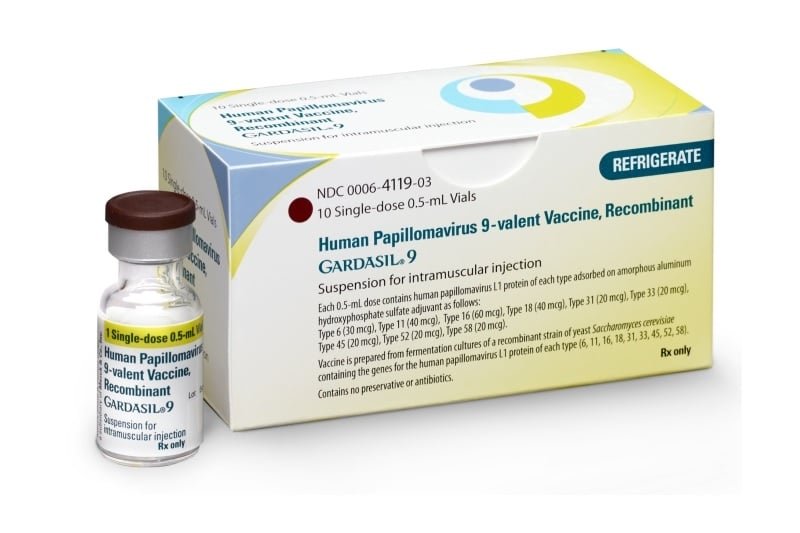
A sharp drop in demand for Merck & Co.’s HPV vaccine Gardasil in China has forced the New Jersey drugmaker to review its agreement with Chinese partner Chongqing Zhifei Biological Products.
The two companies have agreed to eliminate minimum purchase commitments and adopt a demand-based rolling supply model for the three Merck vaccines that Zhifei will sell in China. In addition to Gardasil, Zhifei distributes the rotavirus vaccine RotaTeq and the pneumococcal vaccine Pneumovax 23.
The Chongqing-based company said in a regulatory filing that the arrangement between the two companies will “strengthen Zhifei’s ability to respond to market fluctuations in a synergistic manner” while relieving operational pressure and reducing risks.
The companies operated under a multi-year agreement with a total procurement commitment of 97.9 billion Chinese yuan ($14.2 billion) from 2023 to 2026. The new arrangement will last until the end of 2028. Founded in 1995, Zhifei has been a Merck distribution partner since 2011.
The first signs of a lack of demand for Gardasil in China appeared in 2024, when Merck reported declining sales of the vaccine, which hit the market in 2014.
Gardasil sales fell 3% in 2024, but the shortage was in full swing in 2025, with sales plummeting 39% from $8.6 billion to $5.2 billion, with Merck blaming competition in China for cheaper alternatives.
Regarding China in particular, Zhifei reported that the total procurement amount for all Merck vaccines fell from 34.8 billion yuan in 2023 to less than 2.2 billion yuan last year, a significant decrease compared to the minimum procurement amount of 26 billion yuan set for Gardasil alone in the original contract between the two companies.
Changes in China’s vaccine landscape also forced Zhifei to adjust its distribution agreement with GSK in 2024, with the two companies agreeing to reduce production and extend the partnership.
Zhifei is feeling the pinch, with sales peaking at $7.4 billion in 2023 but declining by more than 50% in each of the past two years.
