


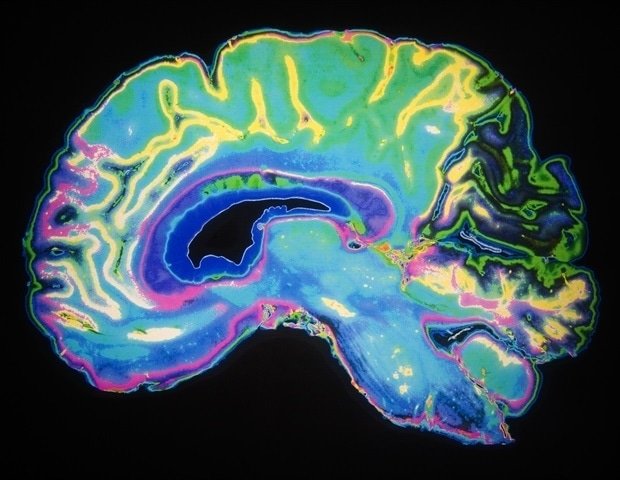
Mayo Clinic researchers have developed an experimental nanotherapy that delivers two anti-cancer drugs directly to brain tumors, according to a study published today. communication medicine. This strategy extended survival in preclinical models of glioblastoma, the most aggressive of brain tumors.
This nanotechnology-based approach packages two existing cancer drugs into small particles designed to cross the brain’s protective blood-brain barrier and target tumor cells. In preclinical models using patient-derived tissue, the combination of therapy and radiation more than doubled survival compared to untreated controls.
Glioblastoma is notoriously difficult to treat. Even with modern treatments such as surgery, radiation, and chemotherapy, patients typically survive about 15 months after diagnosis. One major challenge is that many drugs cannot effectively reach tumors in the brain, and those that do often lose effectiveness as tumors develop resistance.
The new approach uses small lipid-based particles known as liposomes to carry and deliver the drug everolimus or a combination of rapamycin and vinorelbine directly to cancer cells using a new tumor-targeting strategy. By ensuring that both drugs reach the same cells at the same time, the researchers aim to improve tumor-killing efficacy while reducing the toxic side effects associated with higher drug doses.
“Glioblastoma remains extremely difficult to treat due to drug resistance and limited delivery of drugs to the brain,” said Dr. Debabrata (Dev) Mukhopadhyay, professor of biochemistry and molecular biology at the Mayo Clinic in Florida. Nanotechnologist Dr. Mukhopadhyay is the study’s senior author. “Our approach is designed to improve both by directly targeting tumors and by combining treatments in ways that increase their efficacy.”
This drug combination contains drugs that interfere with tumor growth pathways and interfere with the cancer’s ability to repair DNA damage, making the tumor more sensitive to radiation.
This points to a promising direction for advancing the treatment of glioblastoma patients and new technologies and therapies, which could in the future improve survival rates for brain cancer patients by providing new cancer treatments to the brain. Further research is needed to determine whether these results apply to patients. ”
Alfredo Quinones-Hiñojosa, MD, Director Emeritus and Professor Emeritus of Neurosurgery, Mayo Clinic, Florida, and senior author of this study
Researchers are conducting additional safety and dosing studies needed before clinical trials can begin. If successful, this approach could eventually lead to oral or intravenous drugs being used alongside standard treatments or as an option for patients whose tumors do not respond to existing treatments.
“While this research is still in development, it is an important step toward developing more precise cancer treatments that are more effective, less toxic, and have the potential to improve patients’ quality of life,” Dr. Mukhopadhyay says.
This research was supported in part by the National Institute of Neurological Disorders and Stroke of the National Institutes of Health under award number R01NS129671.
sauce:
Reference magazines:
Angom, R.S. Others. (2026). Tumor-targeted liposomal nanoparticles encapsulating surface-treated dual drugs to overcome treatment resistance of glioblastoma multiforme. communication medicine. DOI: 10.1038/s43856-025-01279-7. https://www.nature.com/articles/s43856-025-01279-7
